


The first delay sounded reasonable. The second felt unlucky. By the third — you’re realizing something is fundamentally wrong.
If a supplier misses their committed delivery twice and cannot show verified production progress, it’s time to line up a backup supplier. After 2–3 “one more week” delays, the problem is capability, not schedule — and waiting longer only increases cost, risk, and penalties.
Next: clear signals your supplier cannot recover — and exact steps to protect your schedule before your project slips into crisis.
Table of Contents
How many “one more week” delays signal it’s time to find a backup supplier?
Two delivery slips without real production evidence is the cutoff — that’s when a responsible engineer initiates a backup supplier.
The first delay always sounds believable. The second delay is where the story either holds together or falls apart. If your supplier has missed twice and still can’t show confirmed machining progress — not material receipts, not fixture drawings, not “we’re setting up soon,” but actual parts being cut — then the delay is rooted in capability, not scheduling.
Here’s the truth everyone learns the hard way: a supplier that is truly in control will prove it. They’ll show in-process photos with datums established, CMM screens with early measurement checks, operators at the machine. If those proofs don’t exist, your parts don’t exist.
Meanwhile, every additional week burns through your schedule margin, makes management nervous, and increases the premium you’ll pay a backup supplier to rescue the job. Switching after Week 3 is still possible — but you’ve already lost leverage. Waiting past that becomes a career-risking gamble.
So the rule sourcing leaders use is simple — after the second delay, take action. The supplier may catch up… but you can’t bet your launch date on optimism.
What CNC capability red flags prove the delay isn’t temporary — but unfixable?
The delay is unfixable when the supplier cannot produce an acceptable first article and cannot demonstrate a stable machining setup — that means they never had the capability to begin with.
A capable shop rarely stalls. They know how to fixture complex geometry. They choose cutters and toolpaths that avoid chatter and hold tolerances. They can run a test pass confidently by now. An incapable shop, however, keeps “trying something else next week” — because they are still learning how to make your parts.
The moment tolerance concerns surface after the deadline has passed, you’re no longer dealing with a minor slip — you’re dealing with a process that never existed. And if the supplier cannot answer basic technical questions — expected cycle time, inspection strategy, flatness control — then your project is now a training exercise for them.
Engineers who keep waiting hope the shop will suddenly figure it out. But machining doesn’t work that way. If capability is the problem today, it will still be the problem in two weeks — only now your assembly line is waiting, your costs are rising, and your internal credibility is eroding.
When proof of competence doesn’t show up on time, neither will your parts. That’s when you move — not when it becomes obvious to everyone else.
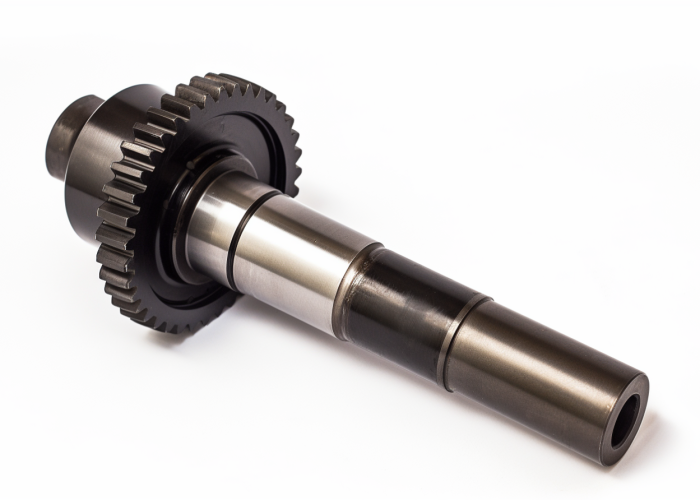
When does a request for more time signal a supplier can’t complete the job?
If a supplier keeps asking for more time without showing any successful machining progress, it proves they never had a stable process — they only hoped to figure it out later.
The pattern is always the same. They quote aggressively to win the project. They assume a standard cutter or setup will handle it. Then, once they start programming, they discover thin-wall deflection, tolerance stacking, or tool reach challenges they didn’t account for. Now they’re trying new ideas each week, but every iteration adds more delays and zero measurable progress.
When a supplier is truly capable, they cut material early, validate the hardest-to-machine features first, and send you photographic proof that the process is locked in. When they’re not capable? They send excuses, not evidence.
Engineers who wait hope the breakthrough is just days away. But in manufacturing, breakthroughs don’t happen on deadline. If the supplier had the answer, they would already be producing parts — not re-guessing the CAM strategy each week your schedule tightens.
When updates shift from “we’re machining now” to “we’re still trying to make it work”, the right move is switching before their struggle becomes your penalty.
If your supplier just asked for “one more week” again, we can review the situation today and help stabilize your deadline before penalties or internal pressure escalate.
No commitments — just clarity on your real options.
Stop the Delays — Validate Machinability Fast
Upload your drawing and get a rapid feasibility review to confirm whether your supplier can actually manufacture the part they quoted.
Should you wait when suppliers blame material delays or equipment problems?
If delays are explained by reasons you cannot verify — and no recovery work is happening — waiting longer only traps your project deeper into failure.
Material and machine issues are the easiest excuses because they sound legitimate and out of anyone’s control. But the real question isn’t why a delay occurred — it’s whether your supplier used that time to keep your project moving.
A supplier who can deliver even under pressure responds with evidence: photos of zones they’ve already rough-cut, updated fixtures that reduce setup time, test features demonstrating progress. They don’t pause just because one thing went wrong; they adapt, because they know your launch date doesn’t shift with their challenges.
Ask them plainly:
“Show me what progressed while we waited.”
If the answer is silence or recycled promises — the delay is unmanaged, and recovery isn’t coming.
We’ve rescued too many programs where customers believed the excuses long after the supplier stopped doing real work. The longer you wait on external excuses, the harder and more expensive it becomes to pull your schedule back into safety.
Delays explained without proof aren’t explanations — they’re early warnings.
What does each additional week of delay actually cost your project?
Every late week multiplies financial, operational, and credibility damage — and the cost grows exponentially, not linearly.
When your components are late, nothing else can move forward smoothly. Assembly stations sit idle waiting for one missing part. Testing can’t start. PPAP submissions fall behind. Shipping windows compress, forcing expensive expedited logistics. Even if your parts eventually arrive, the ripple effect has already burned through your buffer and your budget.
But the cost inside your organization is worse. Leadership loses confidence in the project timeline — and in the person managing that vendor. More review meetings get added. Contingency plans are drafted. Stress increases as the program’s lateness becomes more visible.
And the longer you wait to call a backup, the more you pay to get rescued — because urgency is expensive. Overtime machining. Priority setups. Accelerated inspection. Weekend freight.
Most teams don’t realize they passed the “switch now” moment until the downside is unavoidable. One delayed week feels manageable — until it becomes six. And by then, the supplier’s failure has become your responsibility.
Switching too early is annoying.
Switching too late is catastrophic.
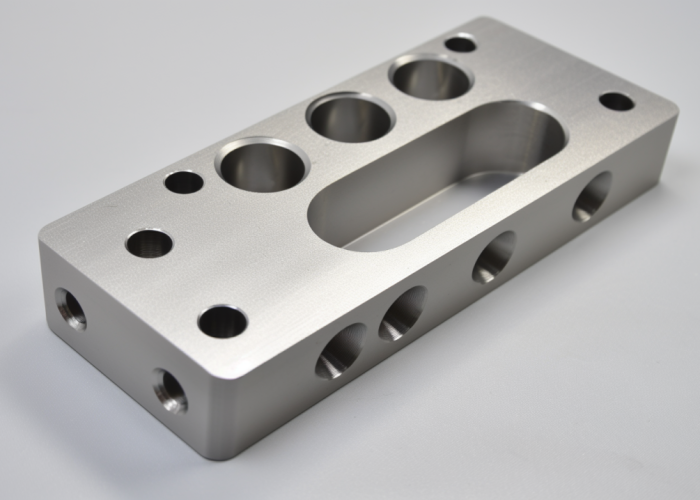
How do chronic delays cascade into assembly deadline failures and penalties?
Delays cascade because your missing parts don’t just shift dates — they force the entire production system to reorganize around uncertainty.
Once your components fall behind, no amount of efficiency downstream can recover what’s already lost. Assembly lines require predictable flow. Testing labs require booked slots. Packaging and logistics need locked dates. When one critical item slips, teams either wait idle — burning payroll and momentum — or they reconfigure the plan, introducing new risks and costs.
Leadership starts asking pointed questions:
“What’s our new launch date?”
“What’s the penalty exposure?”
“Why didn’t we escalate sooner?”
Suddenly, the supplier delay becomes the engineer’s problem — because someone must own the damage.
Meanwhile, penalties and liquidated damages don’t wait. Miss a contractual handover date by a week? That may mean six figures lost — and a lost customer. The worst part: the risky supplier will keep saying “just one more week” right up until schedules are irrecoverable.
Chronic delay isn’t a slip — it’s a failure multiplying silently. And the longer you wait to fix it, the more teams, money, and credibility it takes down with it.
When is switching suppliers mid-project cheaper than waiting?
Waiting costs more the moment rushed recovery becomes more expensive than cutting losses and moving to a shop that can deliver on time.
Suppliers who are struggling don’t become more capable under pressure — they become more error-prone. Scrap climbs, operators push past safe setups, mistakes creep past inspection. Even if parts eventually show up, you still pay the hidden premium: overtime assembly, compressed testing, rebooked logistics, delayed revenue.
Switching mid-project feels painful because money has already been spent. But staying too long with a failing supplier is like continuing down a dead-end road because you already drove halfway there. Progress doesn’t matter if it’s in the wrong direction.
The real financial turning point is simple:
If changing suppliers today makes your launch date safer, then staying is already the more expensive choice.
If you’re unsure whether you crossed that threshold:
Share your latest timeline and supplier status — we can help you calculate which option protects your project’s budget and delivery most.
What risks multiply by waiting vs. cutting losses and switching now?
Risks multiply because every late week pushes you closer to schedule failure, cost escalation, and personal accountability when the supplier ultimately can’t recover.
A supplier who is overwhelmed will keep promising progress long after progress is impossible. They won’t tell you when the situation turns unfixable — because they may not recognize it themselves. Meanwhile, backup shops see urgency and increase price, program delays become visible to leadership, and your professional reputation gets tied to the missed launch date.
The toughest lessons in manufacturing come from delaying a decision you knew you needed to make earlier. By the time everyone agrees you should switch, there are no good options left.
Your supplier’s delay shouldn’t become your failure story.
If you see the downside coming, acting now isn’t a gamble — it’s protecting your credibility, your schedule, and your customer relationship.
If you’re wrestling with that decision today:
Let’s review what’s at stake and map your fastest safe recovery path — before the next delay removes that control from your hands.

How do you get backup quotes without alerting your current supplier?
To gather rescue quotes discreetly, use controlled information and neutral language — never signal that the current supplier is failing.
Engineers often worry that asking for alternative quotes will leak back to the original shop. But the safest approach is to request a manufacturing feasibility review — not a “rush quote.” Present your timeline as evolving, not collapsing. You’re simply “evaluating capacity” in case volumes adjust.
Provide the new shop with the exact data they need to evaluate risk quickly:
- Updated drawings
- Current timeline expectation
- Known manufacturing challenges
Leave out the drama. You’re not switching yet — you’re preparing to act if needed.
Meanwhile, keep communication with the original supplier professional and unchanged. The moment they suspect they’re being replaced, progress slows even further as they prioritize other customers.
Backup quoting isn’t betrayal — it’s responsible engineering. If the first supplier recovers, great. If they don’t, you’re ready — quietly and confidently.
The smartest teams always have a plan B before they need it.
Switch Without Losing Time or Deposits
Get a transition plan that keeps tooling, tolerances, and launch dates on track without supplier drama.
What information do you need before switching suppliers mid-project?
You need enough manufacturing intelligence to prevent inheriting the original supplier’s mistakes — before any takeover begins.
When a project is already late, rushed handovers are dangerous. The new manufacturer must assess not just the design but what went wrong so the same issues don’t repeat. That means collecting verified facts, not excuses: where the previous shop got stuck, what tolerances couldn’t be met, which tools broke, which surfaces warped.
Even if the supplier is evasive, you can still gather proof from what they don’t show. Missing fixture photos? They never fixtured properly. Changing tolerance claims? They never measured anything. Tooling delays? They never planned the process.
Switching without understanding the failure is like treating symptoms without diagnosing the disease. You risk showing up late and with non-functional parts.
By the time you switch, urgency is high — but quality cannot be sacrificed. The better informed the new shop is on Day 1, the faster launch dates return to safety.
Engineers who collect truth early accelerate recovery later.
How can you get a new supplier to absorb deposits and rush the job?
You protect deposits and timelines by showing the new supplier a clean path to success — and demonstrating that you are a committed, decisive customer.
Negotiation begins with clarity. Explain what’s at stake: launch date, penalties, and the cost of failure. Show that the design is validated — the problem is execution, not engineering. Make it clear you’re not shopping around — you’re choosing a partner to recover a critical schedule.
Then, be candid:
“My current supplier is late and unable to meet tolerances. I want to transition now with as little schedule risk as possible.”
Avoid emotional storytelling. The new shop cares about facts:
- What’s the timeline target?
- What’s the volume?
- What risks must be solved?
Deposits with the failed vendor become leverage in payment terms or expedite support. If you show confidence and readiness — drawings finalized, PO ready — the new supplier sees the value of winning your long-term business, not just this rescue.
Your leverage is the project itself. Use it well.
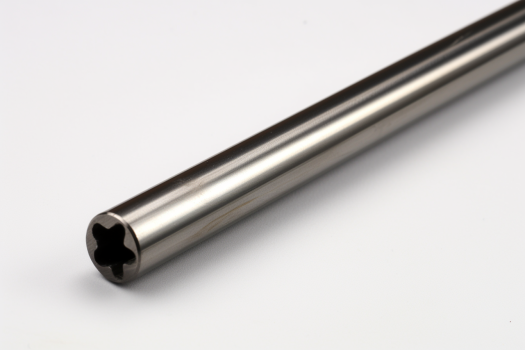
When is it worth placing a parallel order despite existing deposits?
You place a parallel order the moment the cost of missing the deadline exceeds the cost of paying twice — because launching late is far more expensive than paying extra to protect delivery.
Engineers resist doubling spend. It feels like failure. But large manufacturers do it all the time — because time is the most expensive commodity in production. If losing two weeks means losing a customer, contract, or market window, the math isn’t close anymore. You’re not buying extra parts — you’re buying certainty.
The key is deciding early, while the backup shop can still hit your date. If you wait until the original supplier collapses entirely, even two shops running in parallel can’t rescue the timeline.
Parallel orders are insurance. You hope one set of parts becomes unnecessary — but you’re grateful either way that your program stayed alive.
Protecting your launch isn’t wasteful.
It’s responsible.
Conclusion
When a supplier keeps asking for “one more week,” delay turns into danger fast. If they can’t show real progress after the second slip, your schedule, budget, and credibility are already at risk. Act early. Protect your launch. Don’t let someone else’s capability problem become your failure.
Frequently Asked Questions
Clean drawings, target dates, and known risk features. Avoid emotional context — focus on facts and urgency.
When the cost of missing launch exceeds the cost of paying twice. It’s insurance against total schedule failure.
Possibly — but don’t wait. Use deposits as leverage in future business or negotiate extended payment terms with the new shop.
No — they’ll judge the drawings and risks. Late switches are common. They want clarity and fast decisions.
If they can’t provide dated machining photos, partial inspections, or fixture evidence, they aren’t cutting. Silence or recycled excuses means no production.
No. Maintain normal communication. Revealing a switch causes deprioritization and slower recovery.