
How Much Do Tight Tolerances Add to Machining Costs?
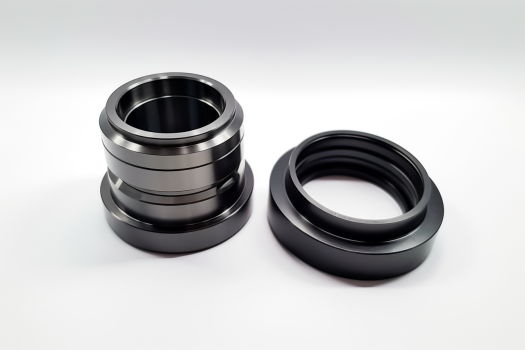
Every product developer faces the same shock — tight tolerances that seemed reasonable in CAD just multiplied the quote by 3x. After machining thousands of precision parts for aerospace, medical, and industrial clients, we’ve learned that tolerance decisions can make or break your budget. Tight tolerances typically add 30-200% to base machining costs. Moving from […]
6 Ways to Optimize Your CNC Turning Projects
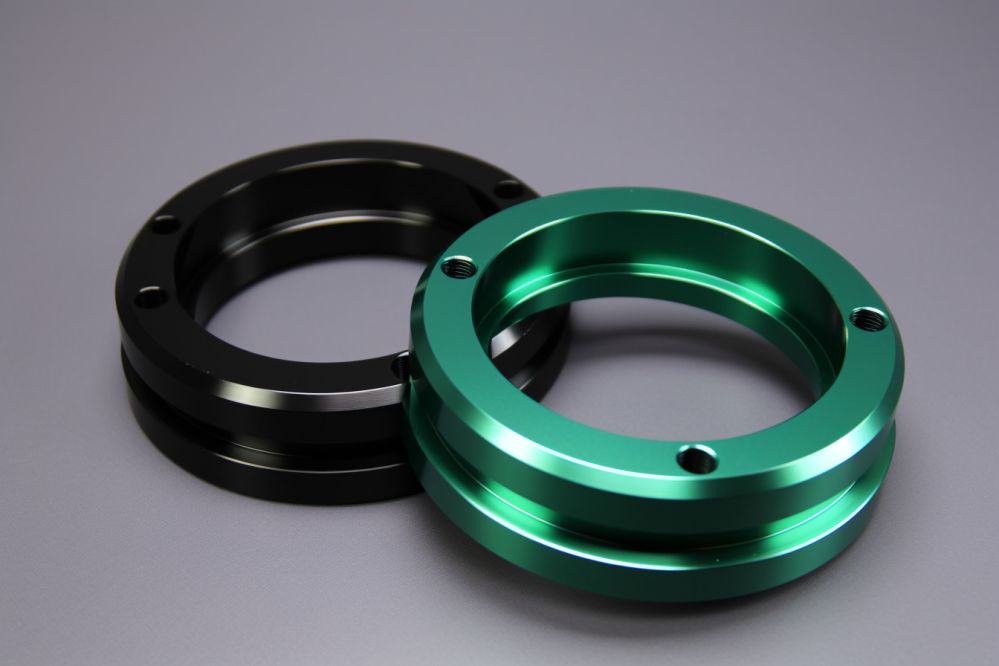
CNC turning projects often fail due to poor early-stage decisions around process selection, material choice, and tolerance specification. After optimizing thousands of turning projects across aerospace, medical, and industrial sectors, we’ve identified six critical strategies that consistently deliver better outcomes, faster timelines, and lower costs. Strategic optimization across six key areas—process selection, materials, tolerances, design, […]
5 Simple Material Swaps to Cut CNC Turning Expenses
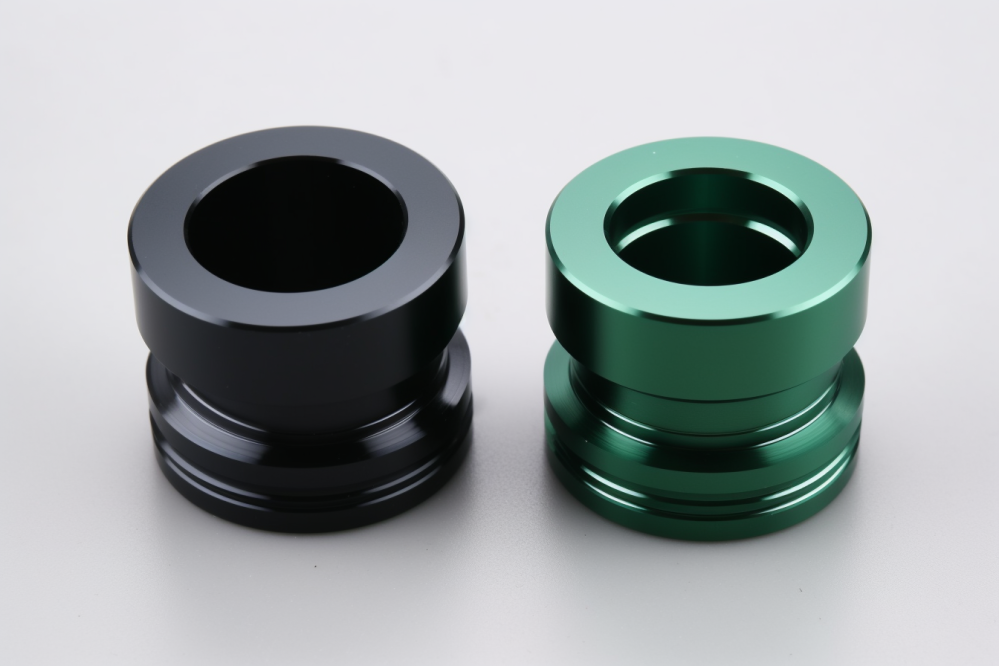
Material costs drive most CNC turning budget overruns, but strategic swaps often deliver identical performance at half the price. From machining precision components across aerospace, medical, and audio applications, smart material selection separates profitable projects from expensive mistakes. Five material swaps cut CNC turning costs: 6061 aluminum replacing 304 stainless (45% savings), 12L14 steel instead […]
6 Key Factors That Affect CNC Turning Costs
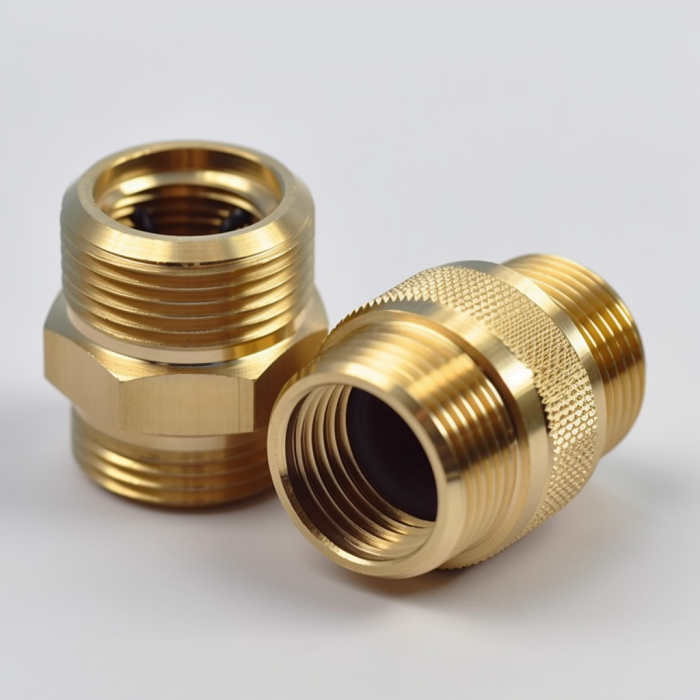
Understanding what drives CNC turning costs is crucial for both manufacturers and buyers. Whether you’re producing parts or purchasing them, knowing these six key factors can help you optimize costs without sacrificing quality. CNC turning costs are primarily influenced by six critical factors: material selection, tool management, machine setup time, cutting parameters, part complexity, and […]
5 Key Factors in Hardened Material Machining
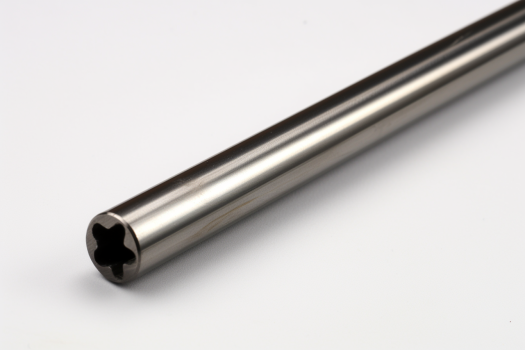
Hardened steel machining presents unique challenges that can derail product timelines and budgets if not properly planned. With over 15 years of precision CNC experience serving aerospace, medical, and industrial sectors, Okdor frequently helps engineers navigate the critical decisions that determine project success when working with hardened materials. Five key factors determine success in hardened […]
4 Critical Aspects of Glass-Filled POM Manufacturing
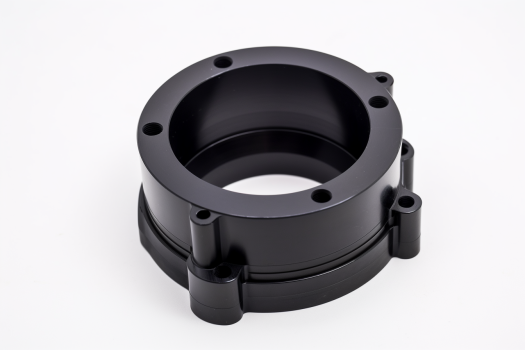
Standard plastics lack strength while metals add unwanted weight and cost. Glass-filled POM offers a compelling solution, but requires understanding unique machining challenges for successful implementation. Glass-filled POM delivers 70% higher tensile strength than standard POM but increases machining costs by 30-50% due to specialized tooling requirements and 2-3x higher tool wear rates. Learn when […]
What Do You Need to Know Before Machining Hardened Steel?
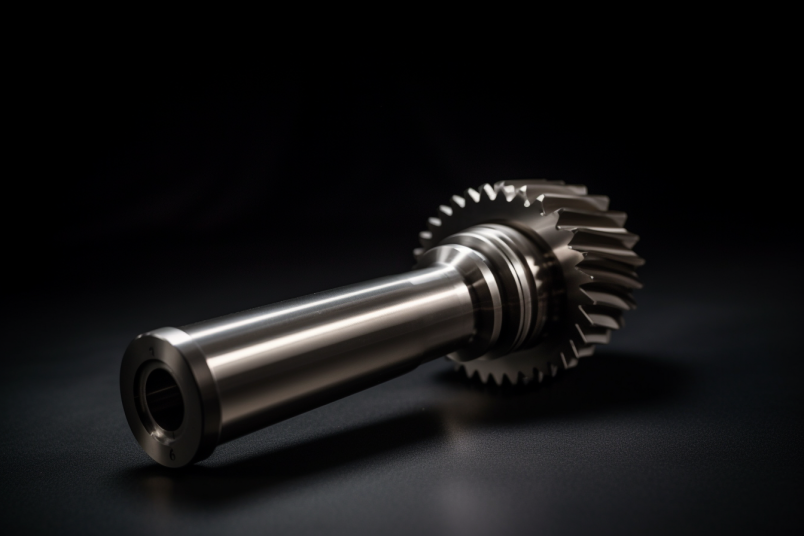
Designing parts from hardened steel isn’t just about specifying the right HRC value — it’s about understanding how heat treatment fundamentally changes your machining options. After 15+ years machining everything from 60 HRC tool steel components to heat-treated aerospace brackets, we’ve learned that the biggest cost overruns happen when product developers don’t account for hard […]
7 Key Things to Know Before Machining POM
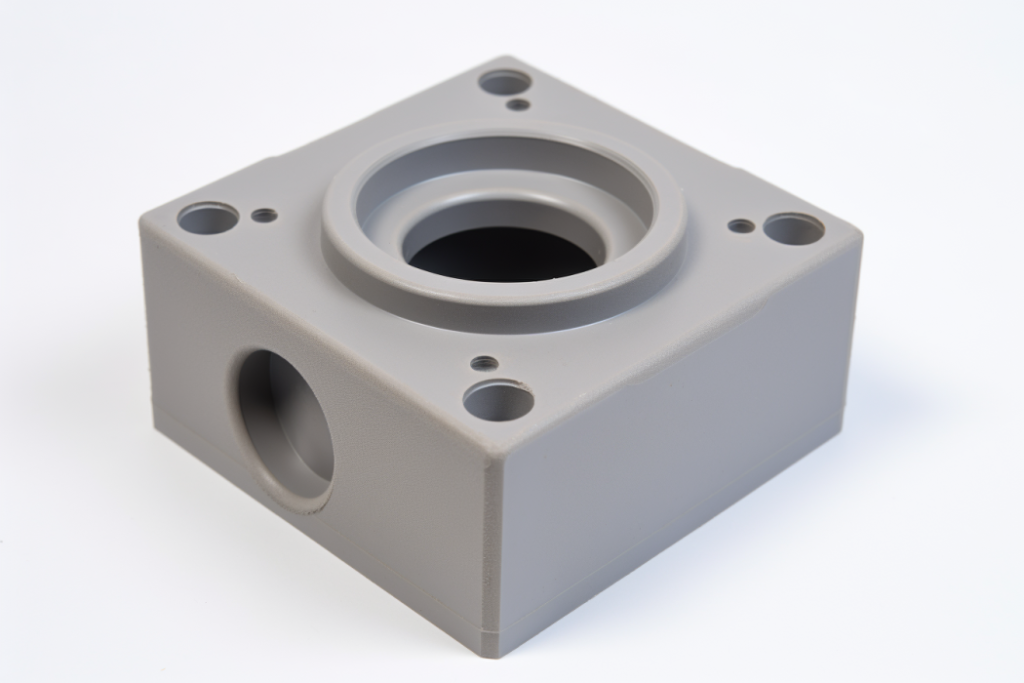
Machining POM (Acetal) requires specific knowledge and techniques to achieve optimal results. Whether you’re new to working with this versatile engineering plastic or looking to improve your machining efficiency, understanding these seven fundamental aspects can make the difference between success and failure. Before machining POM, seven critical factors need consideration: material properties, types of POM […]
5 Must-Know Tips When Machining Acetal
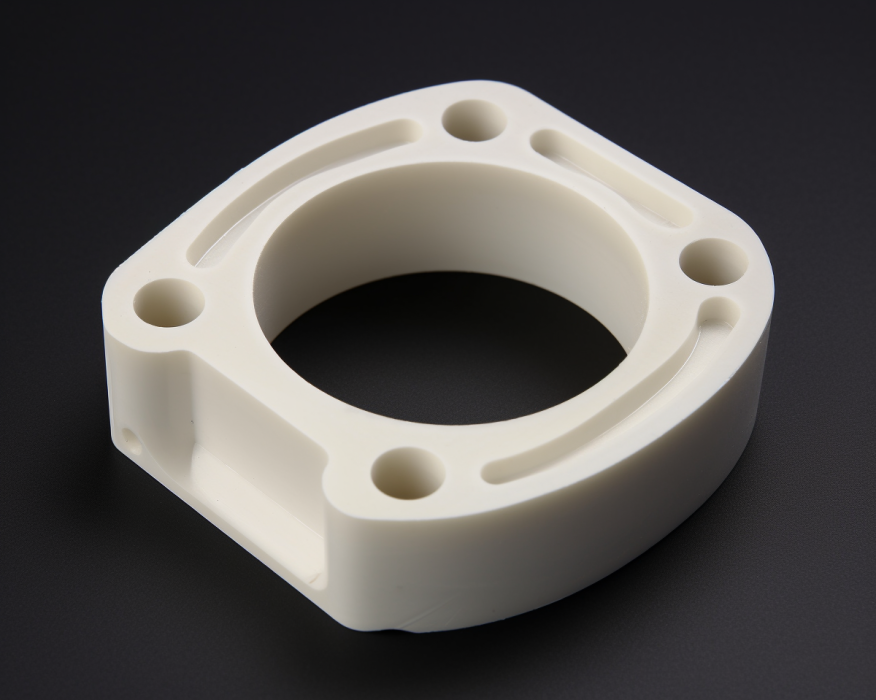
Designing for acetal machining isn’t just about geometry—it’s about preventing costly failures before they happen. With experience manufacturing precision acetal components across aerospace and medical sectors, small design decisions dramatically impact manufacturing success and cost. Five essential acetal machining tips: optimize cutting speeds (300-500 m/min), use sharp tooling, control heat buildup, manage stringy chips, and […]
8 Tips for Precision Countersinking
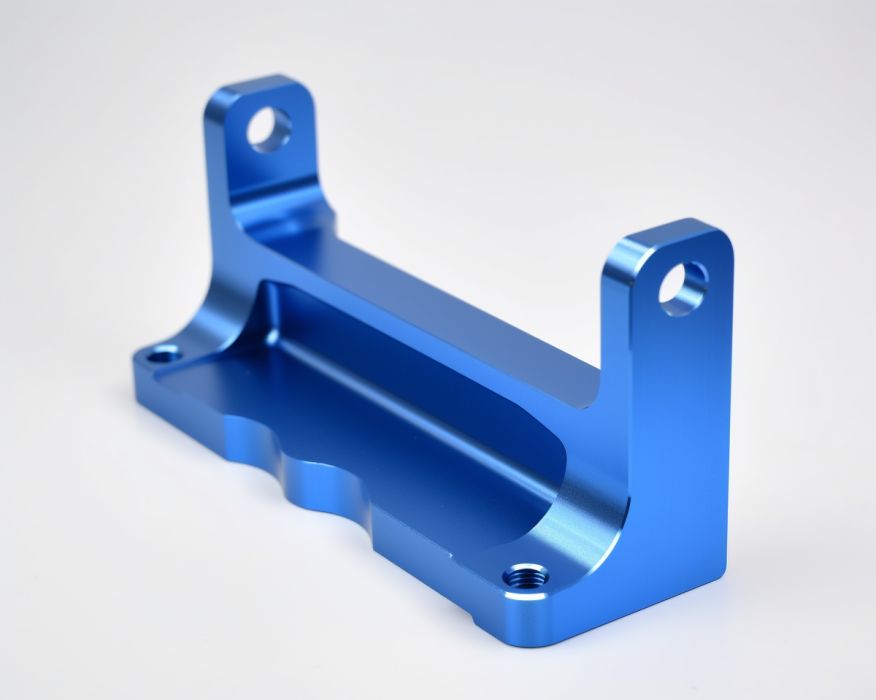
Precision countersinking is crucial for quality fastener installation. Whether you’re working on a single prototype or a production run, getting your countersinks right the first time saves time, materials, and frustration. Successful countersinking requires attention to eight key areas: Secure Your Workpiece Completely Choose the Right Bit Size and Angle Set and Verify Depth Stops […]

