
Which Heat Treatment Is Right for Your Gear?
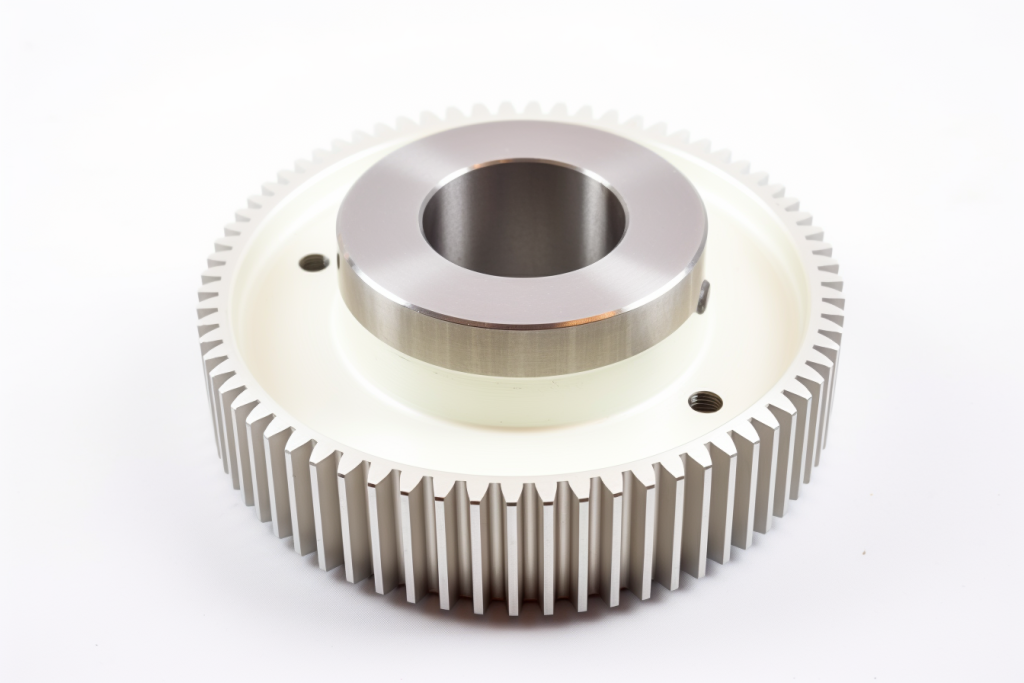
Selecting the right heat treatment for gears isn’t just about hardness numbers — it’s about balancing performance, cost, and manufacturability. After machining thousands of precision gears, we’ve seen how the wrong heat treatment choice can turn a well-designed gear into an expensive failure or an over-engineered cost burden. Carburizing for high-load gears, nitriding for dimensional […]
Will Carburizing Make My Gear Core Too Brittle?
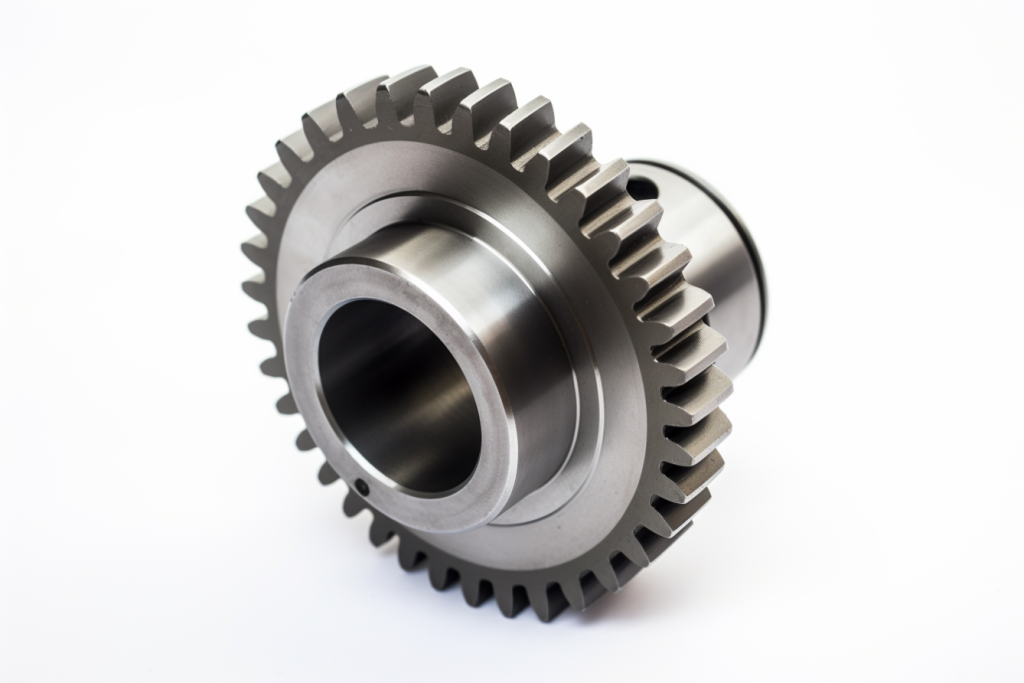
Choosing carburizing for gear applications often creates a dilemma: you need hard surfaces for wear resistance, but worry about creating brittle cores that crack under shock loads. With extensive experience in gear heat treatment across aerospace and industrial applications, understanding the balance between surface hardness and core toughness is critical for avoiding costly failures in […]
Can spur gear handle high speed applications?
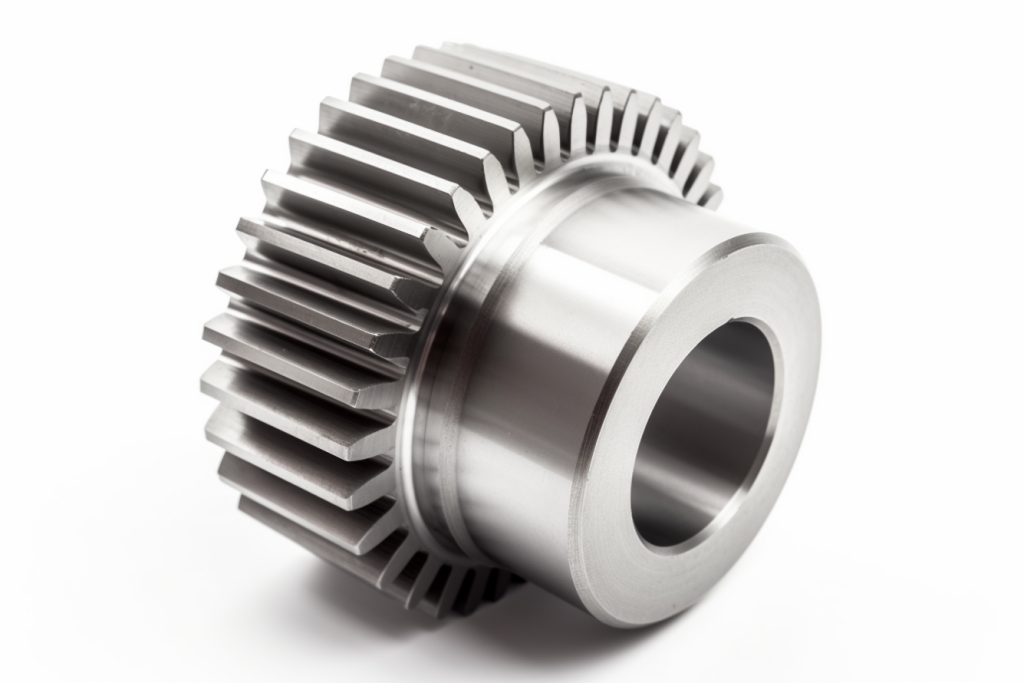
High-speed spur gear applications reveal design challenges that aren’t obvious at lower RPMs—vibration amplification, thermal growth, and dynamic loading that can destroy even well-machined gears. Understanding these physical limits during the design phase prevents costly redesigns when prototypes fail under speed testing or field conditions. Spur gears can handle high-speed applications up to approximately 3,000-4,000 […]
When to use pom gears?
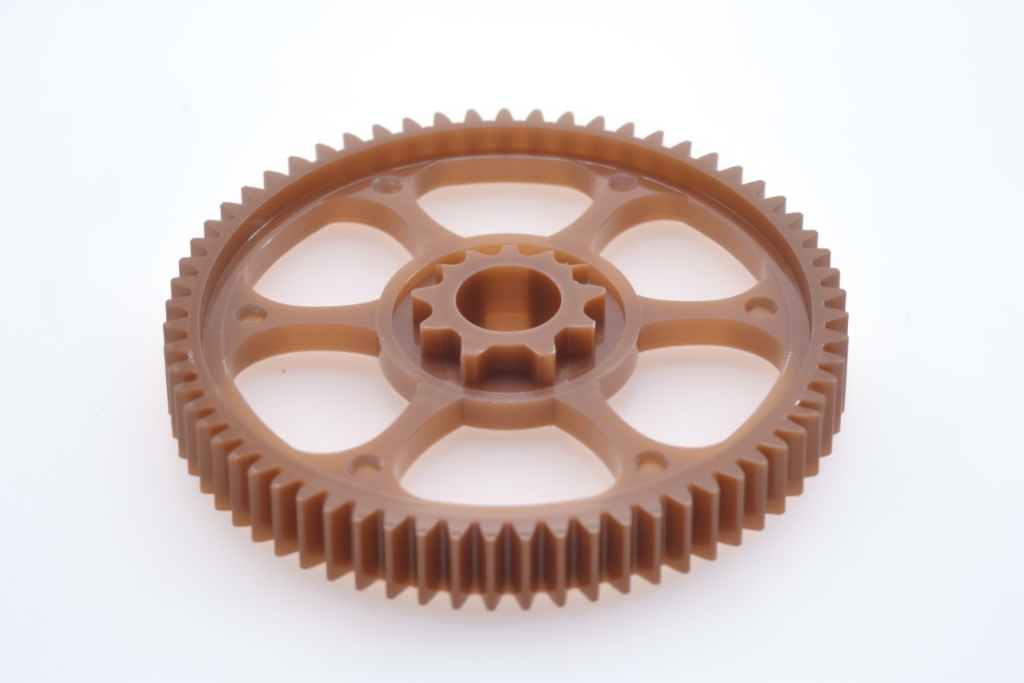
Gear material selection impacts everything from torque capacity to noise levels, and POM (polyoxymethylene) offers unique advantages that metal gears can’t match. Understanding when to choose POM over traditional metal materials can solve noise, weight, and corrosion challenges that would be costly or impossible to address with steel or aluminum alone. Use POM gears for […]
Are spur or helical gears stronger?

Gear strength isn’t just about material—it’s about how tooth geometry distributes load and manages stress concentrations. After machining thousands of precision gears for robotics, and industrial equipment, small design differences between spur and helical configurations create dramatically different performance outcomes under real-world loading conditions. Helical gears are generally stronger than spur gears due to their […]
When to Use Helical Gears?
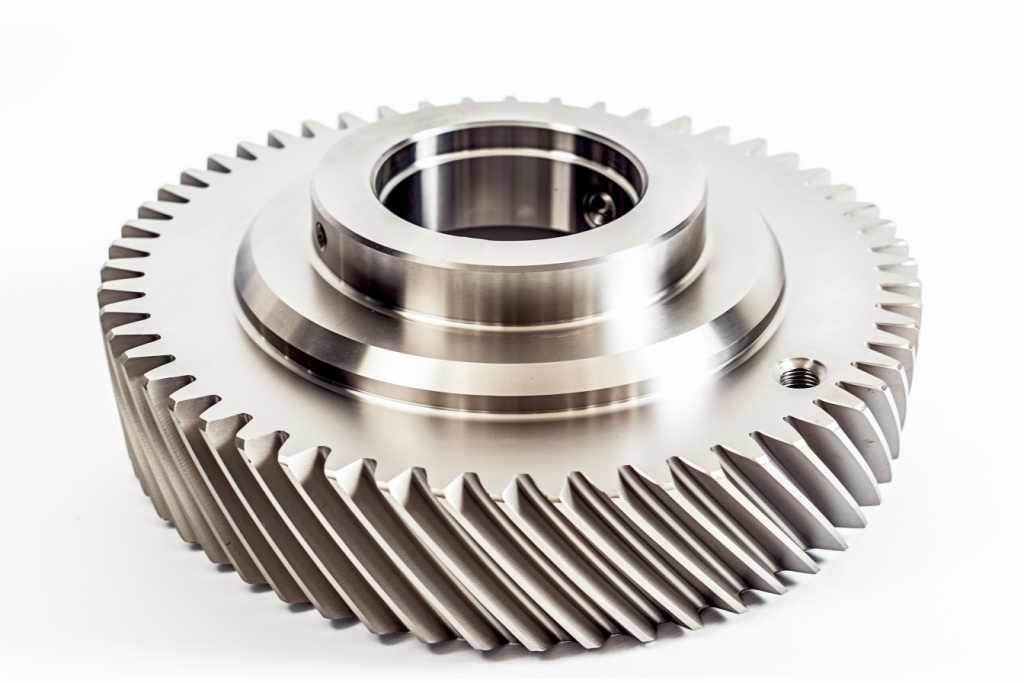
Choosing between helical and spur gears often comes down to balancing smooth operation against manufacturing complexity and cost. The wrong gear choice can impact both performance and project budgets, especially when axial thrust forces require additional bearing or housing modifications. Use helical gears when you need reduced noise (10-15 dB quieter than spur gears), higher […]
When to use spur gears?
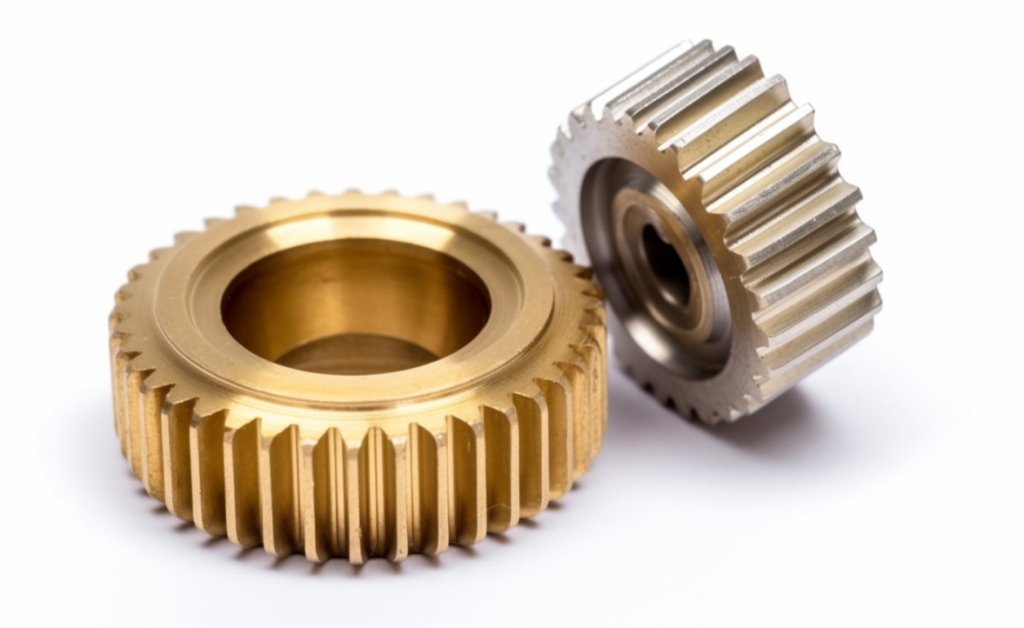
Selecting the right gear type can make or break your mechanical design — especially when balancing performance, cost, and manufacturability constraints. With decades of experience machining precision gears for robotics, automation, and industrial equipment, even seasoned engineers sometimes overlook how spur gear advantages align with specific application requirements. Spur gears are the optimal choice for […]
How can gear undercut be prevented in design?
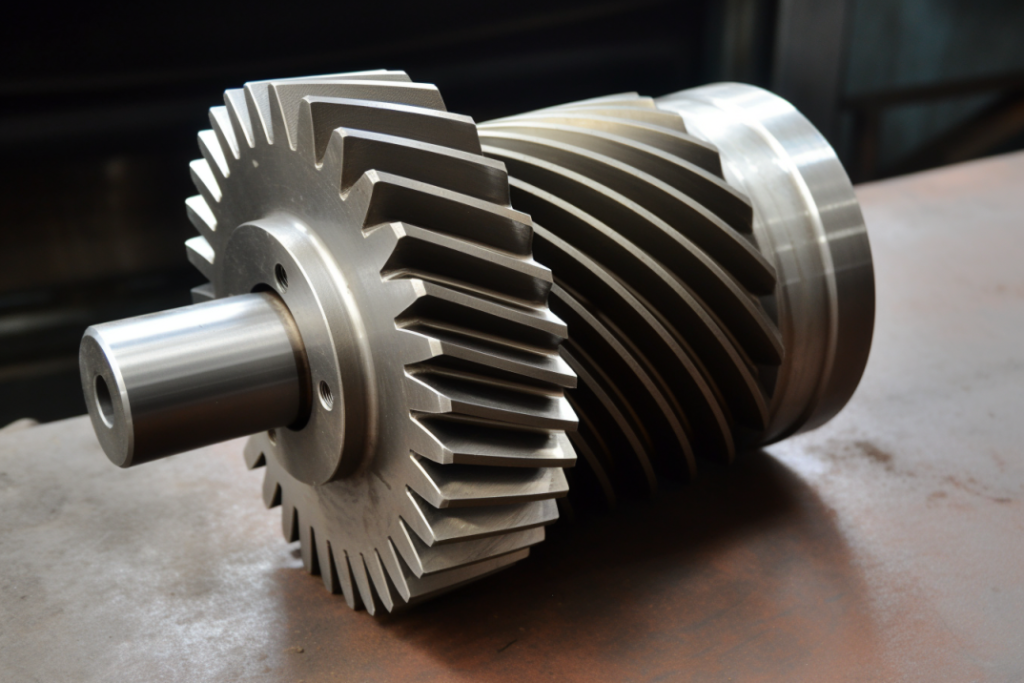
Gear undercut causes more design rejections than any other gear manufacturing issue we see. From medical device gears to precision robotics components, preventing undercut early saves costly redesigns and ensures reliable performance. Gear undercut is prevented by using profile shift coefficients, increasing pressure angle from 20° to 25°, or maintaining minimum tooth counts (17+ teeth […]
When does gear undercut happen?
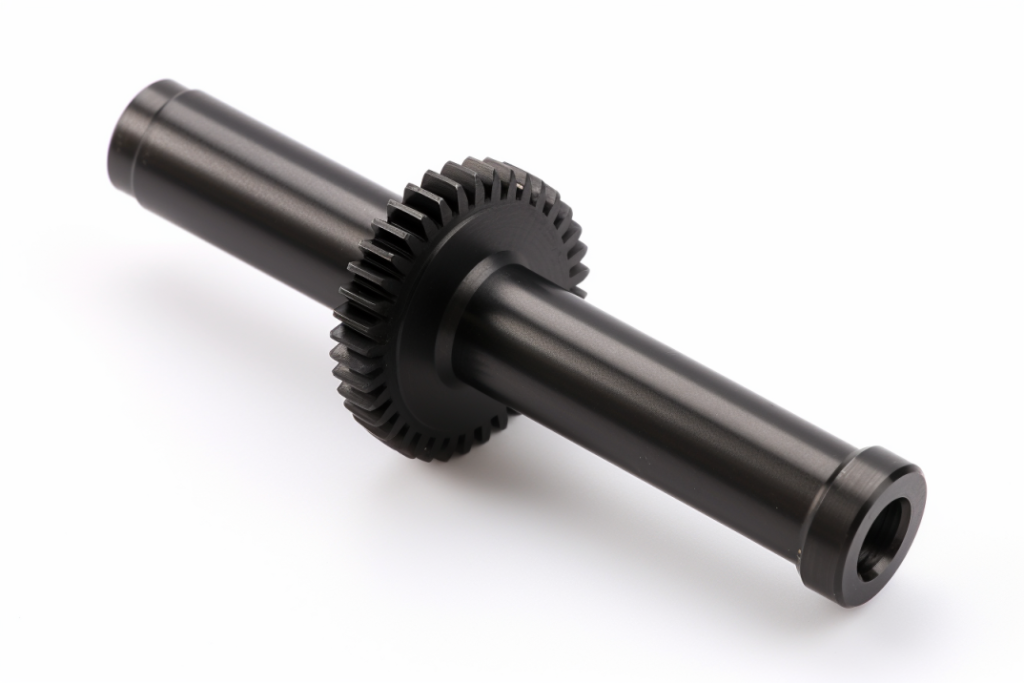
Gear undercut isn’t just a design calculation—it’s a manufacturing reality that can compromise tooth strength and create costly failures in precision assemblies. When designing gears for tight-tolerance applications like aerospace actuators or medical device housings, understanding undercut thresholds becomes critical to both performance and cost control. Gear undercut happens during the manufacturing process when the […]
How to Calculate Spur Gear Center Distance ?
Designing gear systems requires getting center distance calculations right from the start. Incorrect center distance leads to premature wear, noise, and system failure. With experience machining custom gears for demanding applications, proper center distance specification dramatically improves both performance and manufacturability. Standard center distance equals half the sum of pitch diameters: C = (D₁ + […]

