
Gear Pressure Angle: A Beginner’s Guide
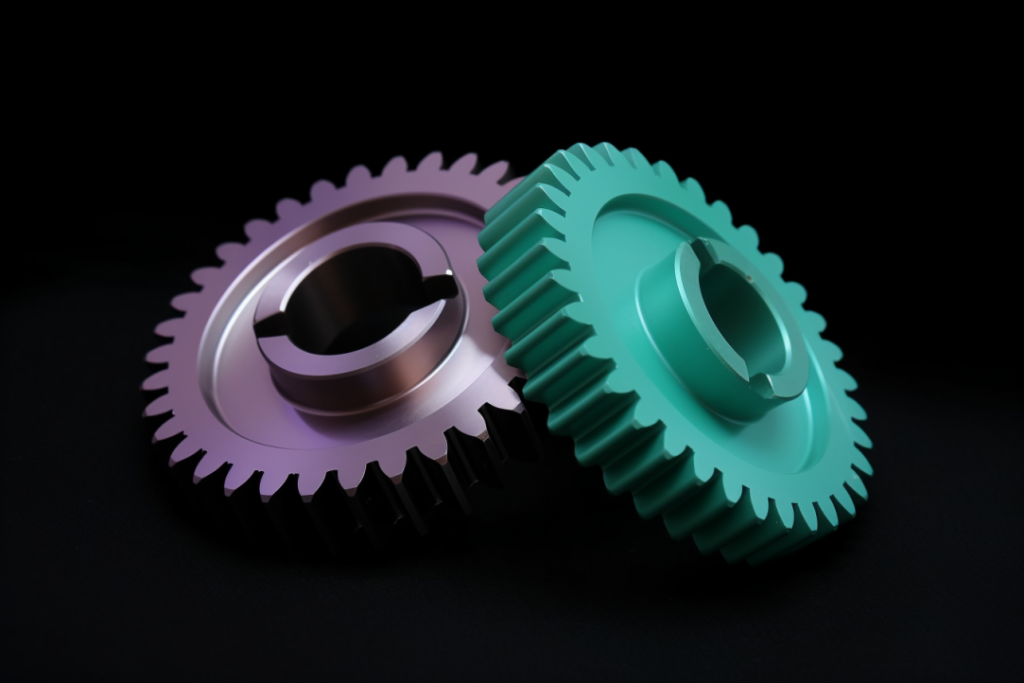
In gear design, pressure angle is one of the most fundamental parameters that significantly influences gear performance, strength, and efficiency. Whether you’re designing a simple spur gear or a complex helical gear system, understanding pressure angle is crucial for achieving optimal power transmission and mechanical reliability. Gear pressure angle is the angle formed between the […]
6 Differences Between Worm and Spur Gears and When to Use Them
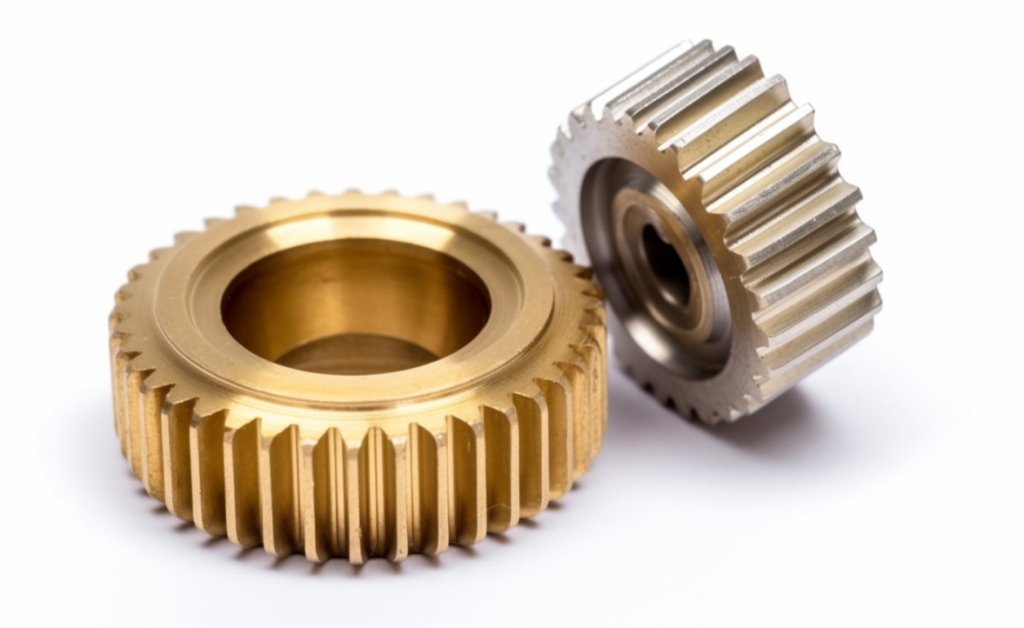
In precision engineering and power transmission, selecting the right gear type is crucial for project success. Let’s explore the key differences between worm and spur gears to help you make informed decisions for your next design project. The 6 key differences are: 1) Design structure (worm’s screw-like shaft vs spur’s straight teeth), 2) Speed reduction […]
7 Factors Causing Worm Gear Failure and How to Prevent It
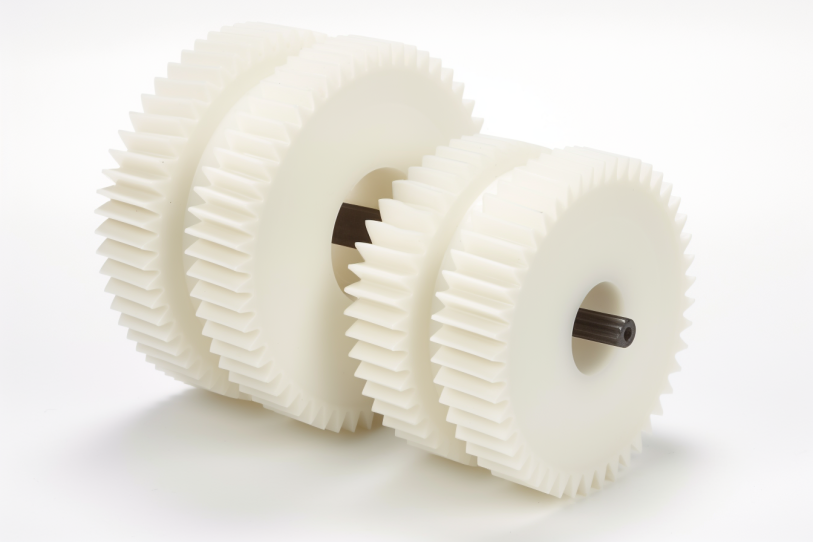
Worm gears are critical components in countless mechanical systems, from industrial machinery to precision instruments. While they excel at high-ratio speed reduction and torque multiplication, these gears can fail prematurely without proper maintenance. Understanding and preventing common failure modes is crucial for maintaining operational efficiency and reducing costly downtime. Worm gear failures typically stem from […]
Do You Still Believe These Common Worm Gear Myths?
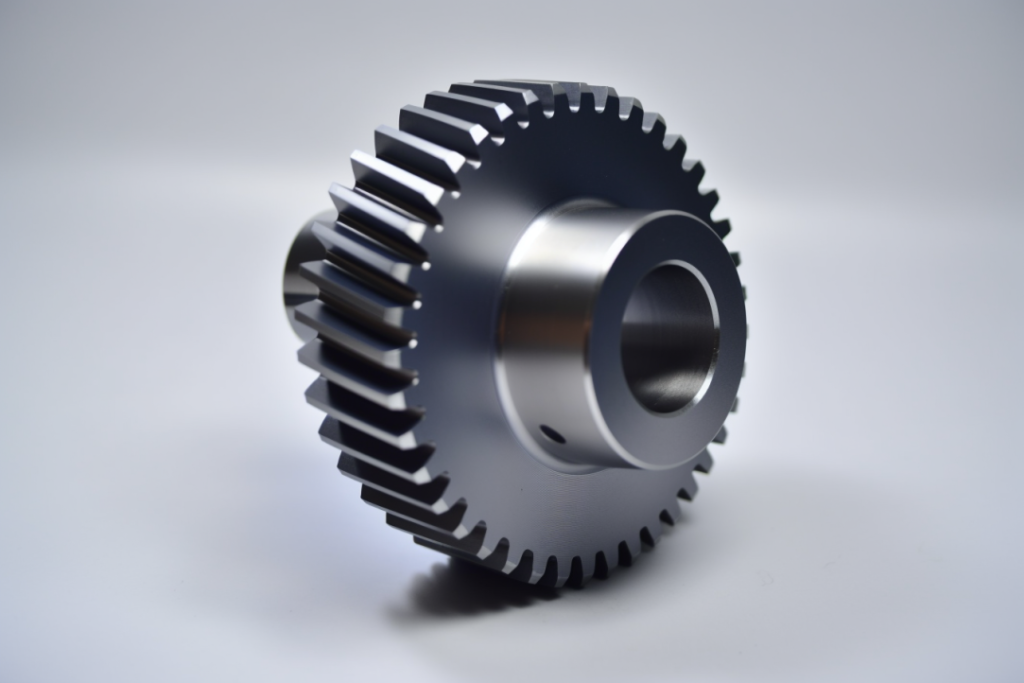
Worm gears get dismissed as inefficient or outdated, but after machining precision worm gear components for medical devices, automation systems, and audio equipment, we’ve seen how these misconceptions lead to missed design opportunities. Engineers often avoid worm gears entirely or specify them incorrectly, overlooking compact, high-ratio solutions that could simplify their assemblies. Seven persistent worm […]
9 Factors to Consider Before Choosing a Worm Gear for Your Design
Engineers frequently struggle with worm gear selection, balancing performance requirements against manufacturing feasibility and cost constraints. Having machined custom worm gears for robotics, automation, and precision equipment across aerospace and industrial sectors, we’ve identified nine critical factors that determine both gear system success and production efficiency. Nine critical factors determine worm gear system success: custom […]
5 Best Materials for Worm Gears: Pros & Cons
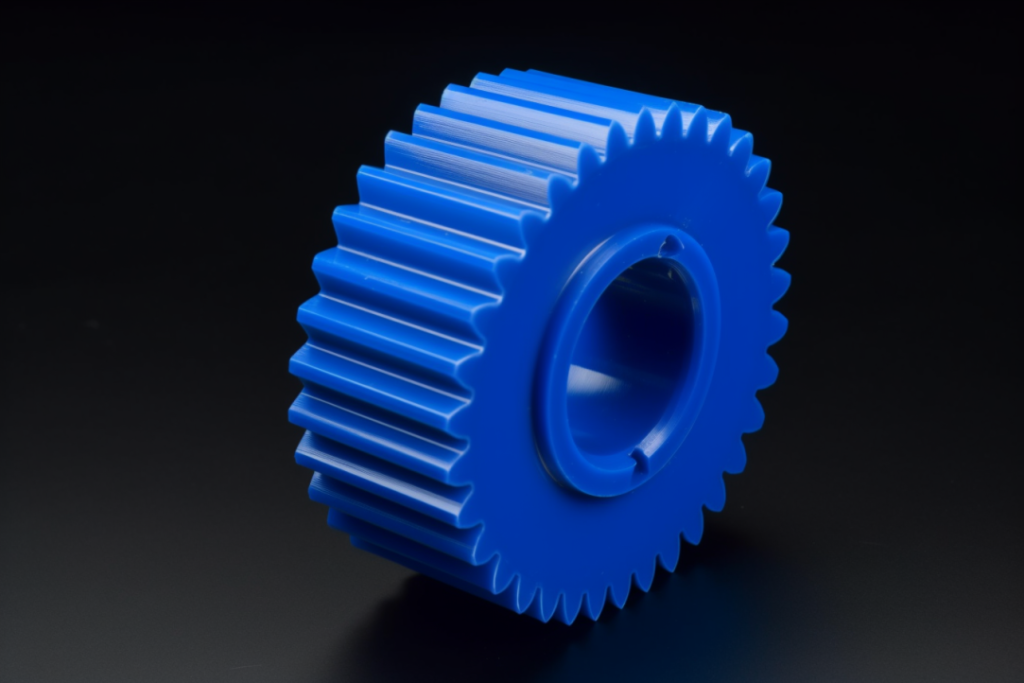
In worm gear manufacturing, material selection can make or break your mechanical system’s performance. From traditional steel to modern engineered plastics, each material choice brings its own set of characteristics that directly impact durability, efficiency, and cost-effectiveness in power transmission applications. The five best materials for worm gears are steel/alloy steel, bronze (particularly C97003 and […]
When to Choose Worm & Wheel Gears
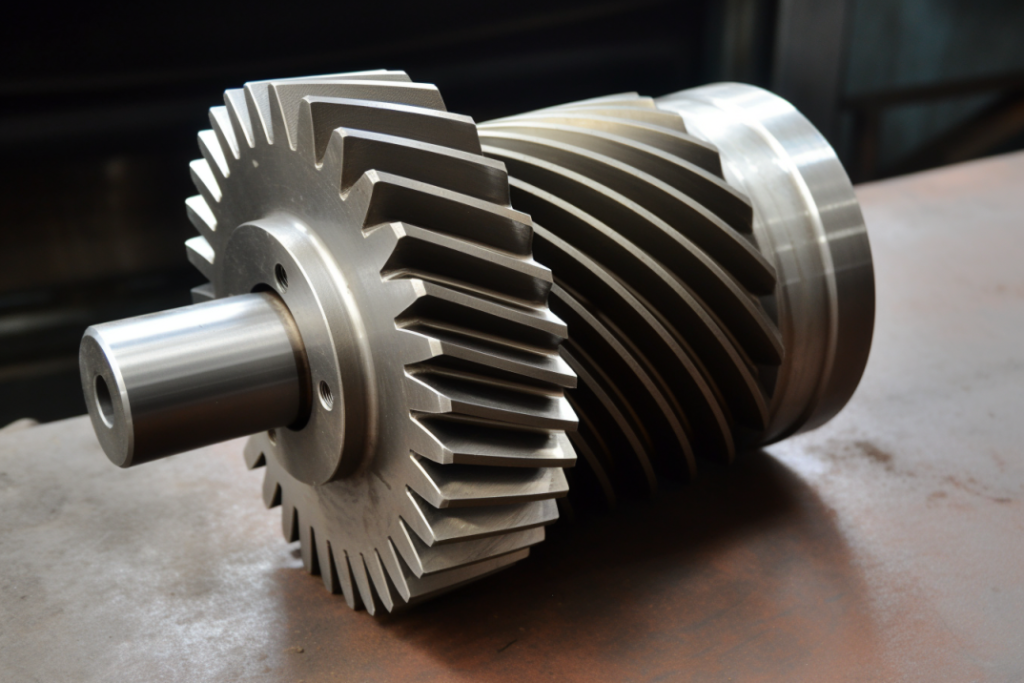
Gear selection mistakes cost product developers time and budget. With decades of CNC experience across aerospace, medical, and audio sectors, we’re solving the worm gear decision process for engineers who need reliable design guidance. Worm gears work best for high reduction ratios (10:1 to 100:1), self-locking safety applications, and compact right-angle drives. Avoid them for […]
5 Ways to Reduce Backlash in Worm Gears Without Sacrificing Performance
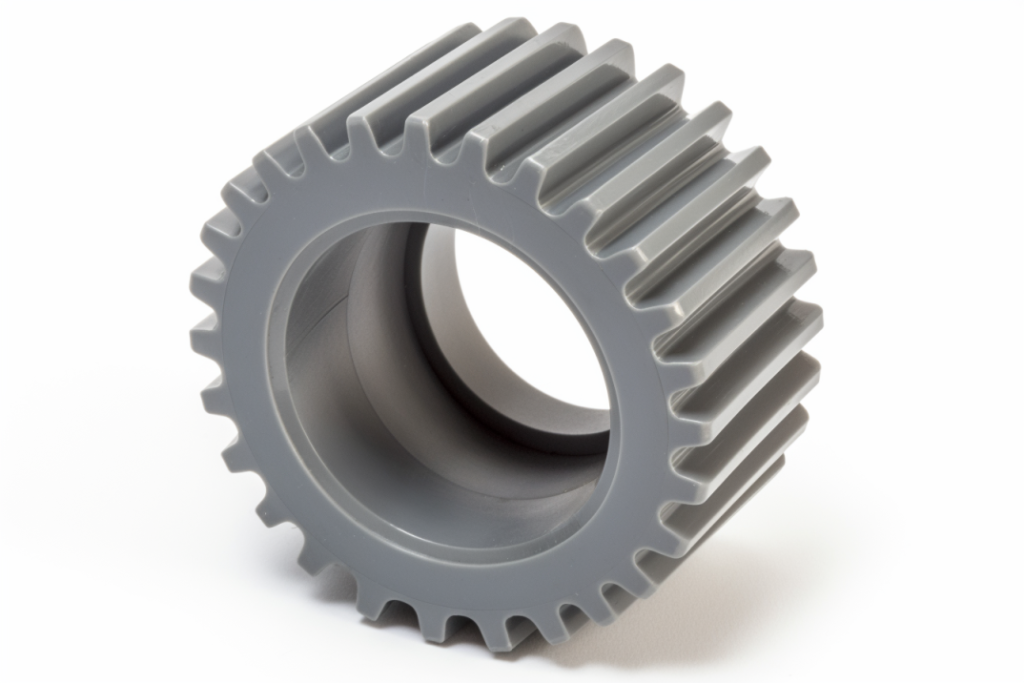
In precision engineering, worm gear backlash can be the difference between optimal performance and system failure. While some backlash is necessary for proper gear operation, excessive play can lead to positioning errors, increased wear, and reduced system accuracy. Understanding how to minimize backlash while maintaining performance is crucial for engineers and manufacturers alike. Backlash in […]
6 Common Misconceptions About Worm Gear Backlash
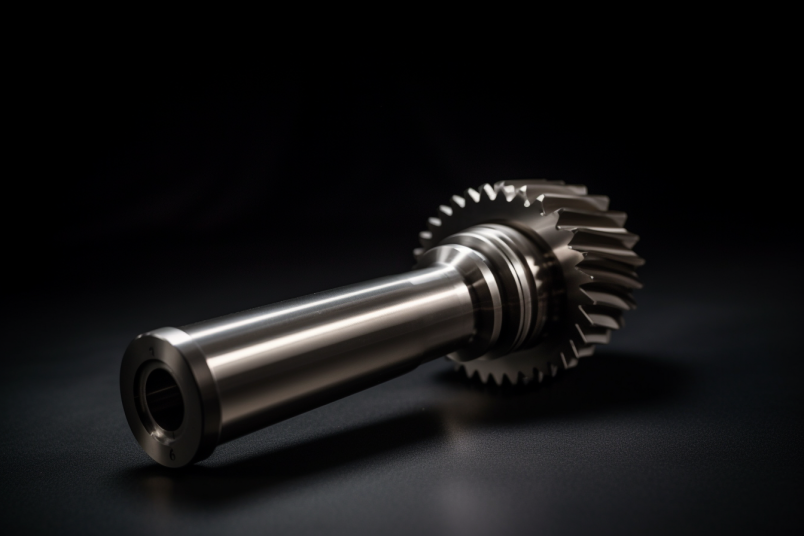
Product developers often reject worm gear designs due to backlash concerns, missing cost-effective precision solutions. We help engineers optimize worm gear specifications to balance precision with manufacturing cost. Six common misconceptions include: backlash indicates poor quality, zero backlash is always better, worm gears are inherently problematic, center distance adjustment controls backlash best, backlash limits accuracy, […]
4 Reasons Worm Gears Have Backlash (And Why It’s Not a Problem)
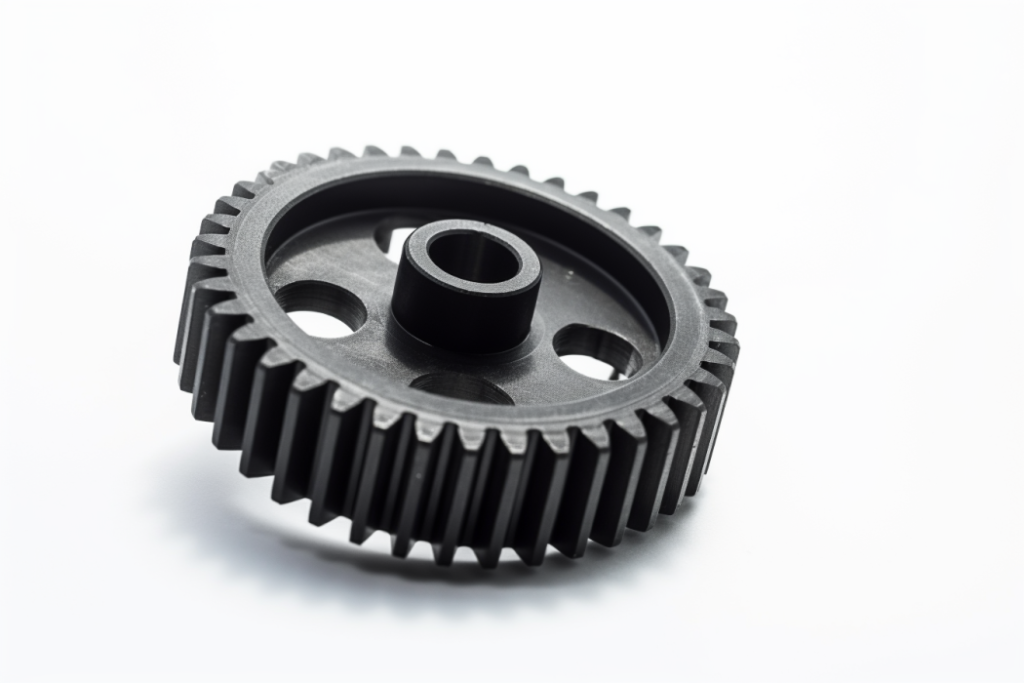
Product developers often worry that worm gear backlash will hurt their design performance. After manufacturing precision gears for medical, aerospace, and robotics applications, we’ve seen how backlash misconceptions lead to costly over-specifications that don’t improve product function. Worm gear backlash is intentional clearance (0.05-0.15mm) that prevents binding, enables proper lubrication, and ensures reliable operation. This […]

