
Supplier Delivered Fewer CNC Parts Than Ordered — Is Scrap “Normal”?
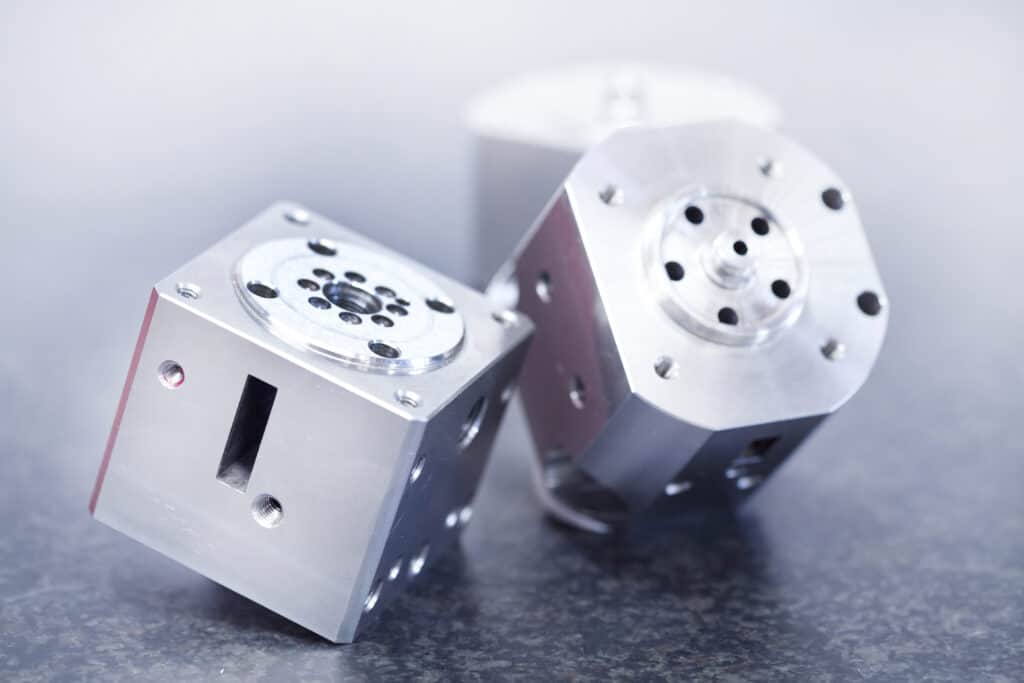
Receiving fewer CNC parts than ordered — with the supplier blaming scrap — creates immediate risk to assembly schedules, costs, and supplier trust. If scrap was not agreed in advance, the supplier is typically responsible for the shortfall. The sections below explain what a shorted CNC delivery means in practice, how missing parts can be […]
Which design features cause CNC machining quote failures?
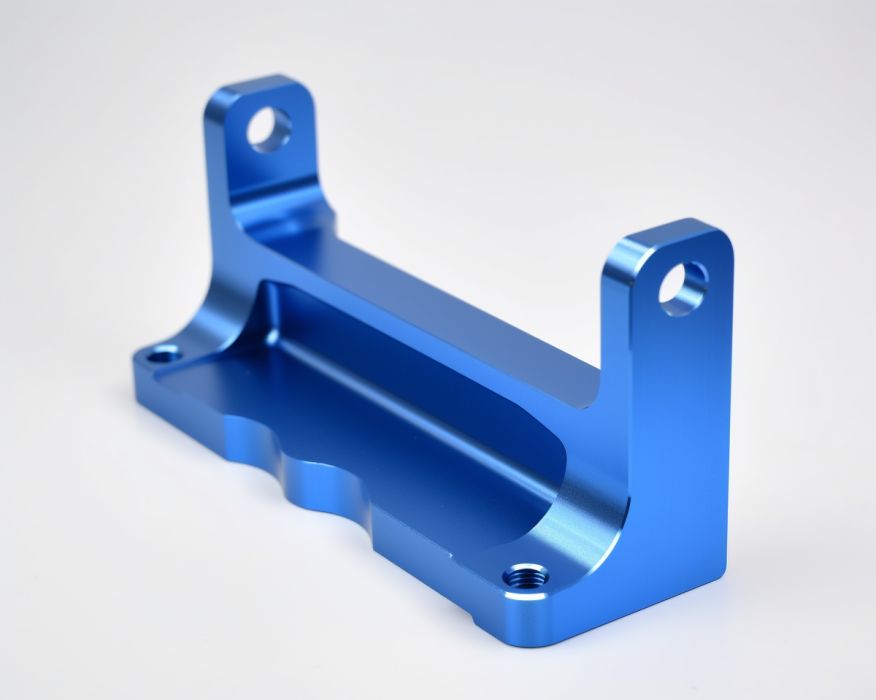
Your drawing looks fine on screen — but quotes come back 4× higher than expected, peppered with “DFM issues,” or outright no-quotes. At that point you’re stuck: revise the design under time pressure, or start the supplier search all over again. CNC machining quote failures are usually caused by design features that add hidden machining […]
Why CNC shops reject thin-walls — and how to avoid scrap risk
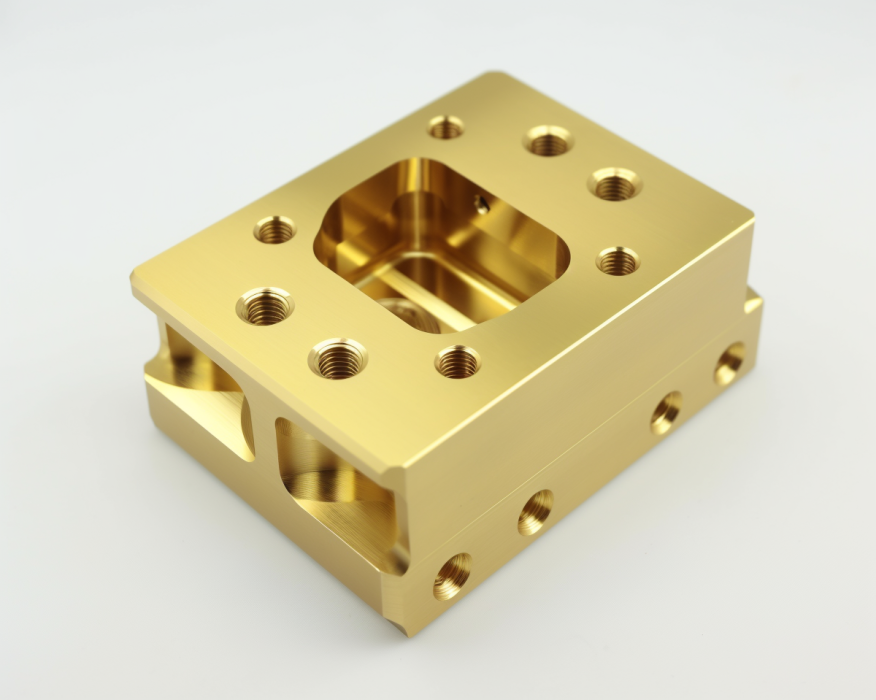
Thin-wall parts look harmless in CAD — until suppliers start pushing back. Quotes disappear. Lead times stretch. And even approved parts warp during machining or fail inspection, putting budgets and schedules at risk. The real issue isn’t shop capability — it’s that the drawing gives them no safe way to guarantee accuracy without risking distortion […]
Your Supplier Shipped Out-of-Tolerance Parts—Now What?
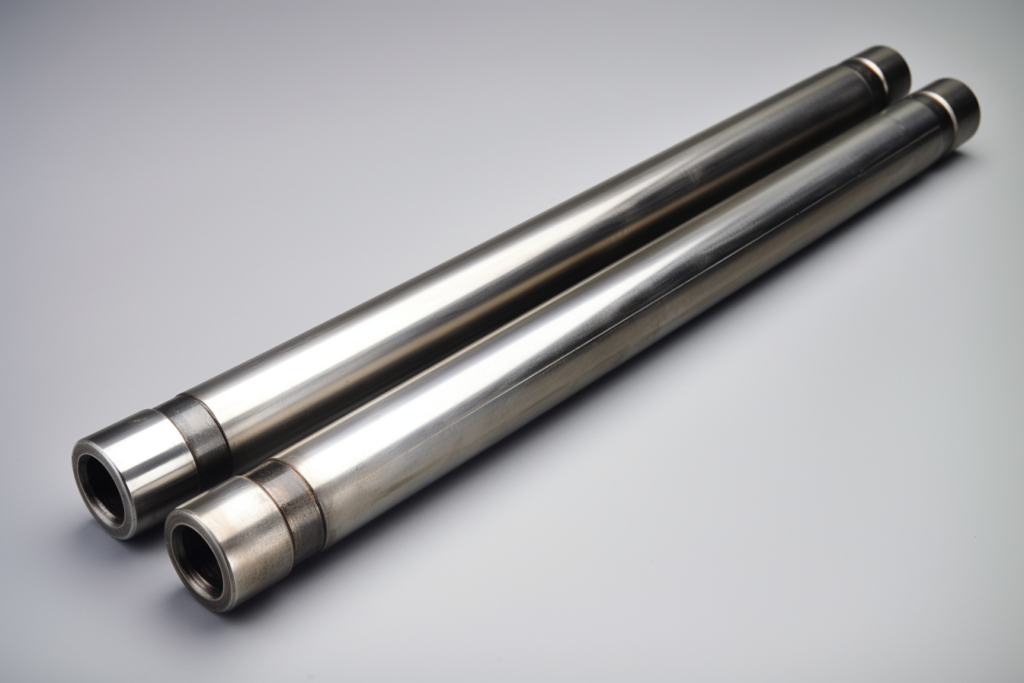
You receive the shipment, perform incoming inspection or start assembly, and discover that some parts are out of tolerance. Suddenly, production plans, customer deliveries, and supplier trust all come into question. Out-of-tolerance parts do not create only a quality problem—they create schedule and supplier risks. The immediate decisions are whether the parts can still be […]
Should You Relax a Tolerance When a Supplier Can’t Meet It?

During quotation or drawing review, a supplier may ask whether a tolerance on your custom part can be relaxed. The request may reduce cost or improve manufacturability—but it also raises an important question: is the supplier protecting your project, or protecting their own limitations? You should not automatically agree—or reject—the request. A supplier asking to […]
Tolerance Failure After Heat Treatment – Why It Happens and How to Prevent
Heat-treated parts often come back warped or undersized — suddenly your build is stuck. Tolerance fails after heat treatment because residual stresses and phase changes cause distortion when machining sequence, fixturing, and finishing stock are not properly planned. Below are the 12 supplier-check questions that prevent tolerance surprises after hardening. Table of Contents Why do […]
Why Does Threading Leave Chatter Marks?
You received threaded parts showing spiral lines or ripples along the flanks — the supplier calls it “normal,” but your gauges catch resistance. That’s not normal; it’s a sign of unstable machining. Threading leaves chatter marks when vibration occurs between the tool and workpiece during cutting. This happens when feed, speed, or tool rigidity aren’t […]
Why Do Lead Times Explode After Machining?

Your parts are machined—but nowhere near shipping. Weeks pass after “CNC complete,” and updates turn vague. That’s not finishing; that’s a control failure. Lead times explode after machining because suppliers lose control once parts leave their shop.Outsourced anodizing, missed masking prep, or waiting in third-party queues stretch days into weeks. Read on to see how […]
What Quality Risks Are Hidden Inside a Cheap CNC Quote?
You receive several CNC quotations for the same part, and one supplier’s price is significantly lower than the others. The lower cost is attractive, but it also raises an important question: what is different about that quote? A cheap CNC quote is not automatically a quality risk, but large price differences often come from different […]
Should You Reduce Inspection Frequency for Trusted Suppliers?
Reducing inspections for “reliable” suppliers sounds efficient—but it’s rarely safe. Even trusted vendors change tools, operators, or setups without notice, and that’s when hidden defects start slipping through. You should only reduce inspection after verifying process stability with real data—like Cpk trends, documented control plans, and consistent first-article results. Without those proofs, reliability is just […]

