
Why Your Suppliers Reject Manufacturable Gear Designs?
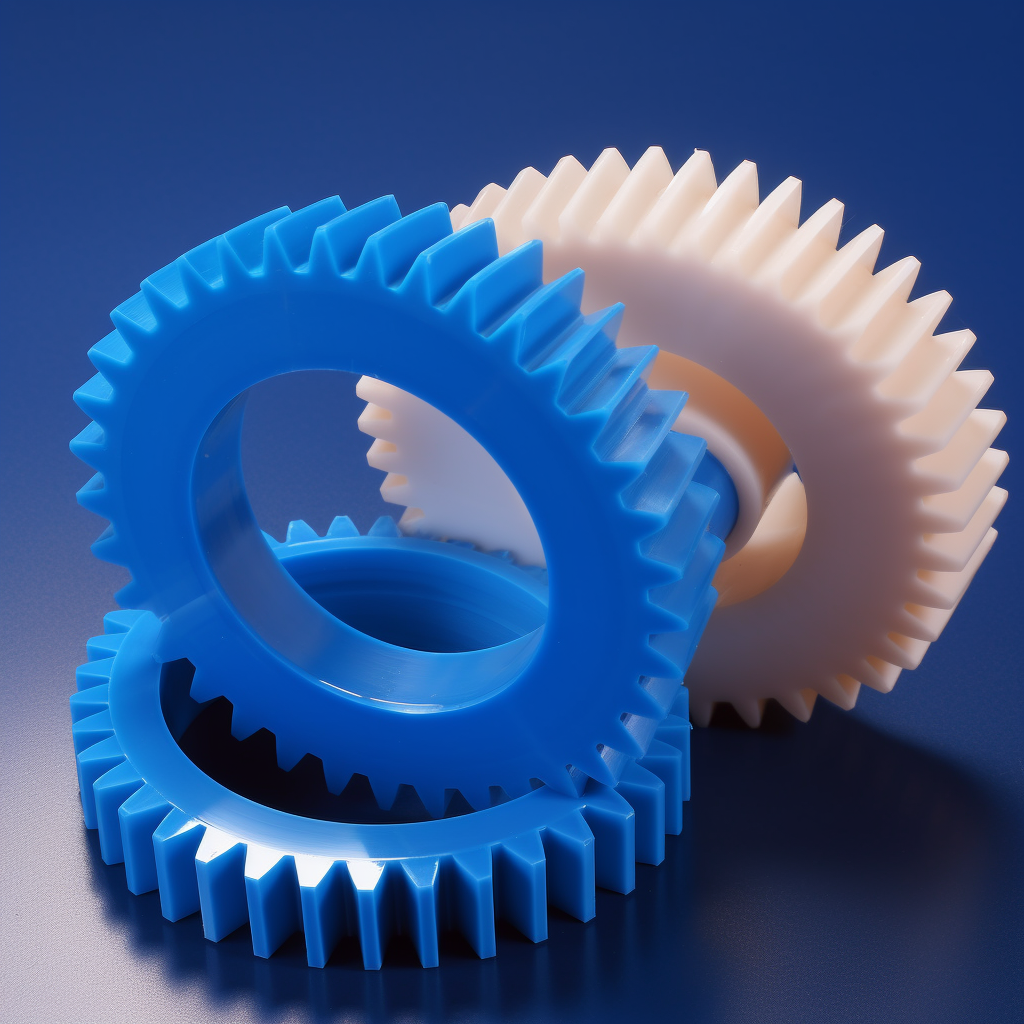
Your gear drawing just came back marked “not manufacturable” – again. The third supplier this month rejected specifications that meet standard tolerances, use common materials, and follow established design principles. Meanwhile, your prototype deadline approaches and procurement is asking for alternatives you don’t have. Most gear rejections stem from supplier limitations, not design flaws. Typical […]
Why Your Machined Aluminum Part Quote Jumped 300%?
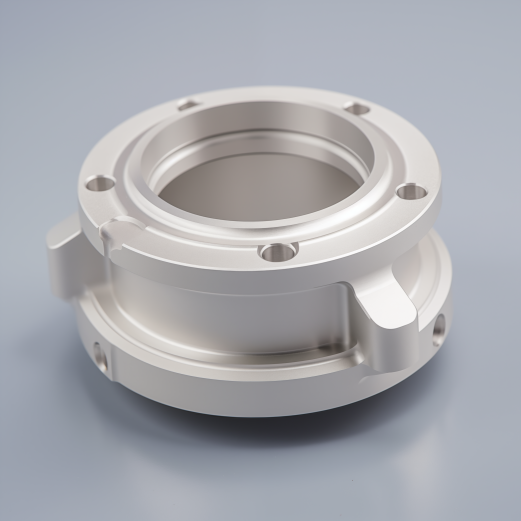
Your aluminum part drawing came back with “not manufacturable” stamped across it, or worse – a quote that’s triple what you expected. Most engineers face this exact frustration when sourcing precision aluminum parts, especially when suppliers reject perfectly viable designs or inflate quotes to avoid complex setups. Most aluminum part rejections happen because shops lack […]
Why Your CNC Quote Jumped 10X? (And How to Fix It)
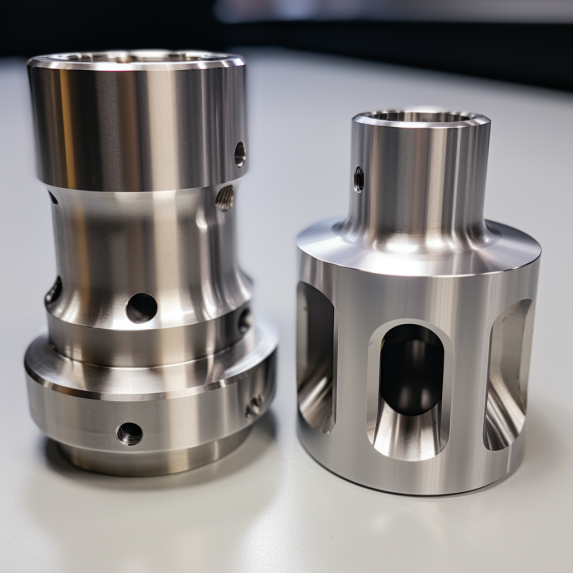
Your SolidWorks estimate said $200. Three suppliers just quoted $2,000, $2,500, and $3,200 for the exact same aluminum bracket. Your project deadline is six weeks away and you need to understand what went wrong. Most quote shock happens because suppliers calculate costs differently, not because your part is expensive to make. Job shops often inflate […]
CNC Surface Roughness:6 Things Engineers Must Know
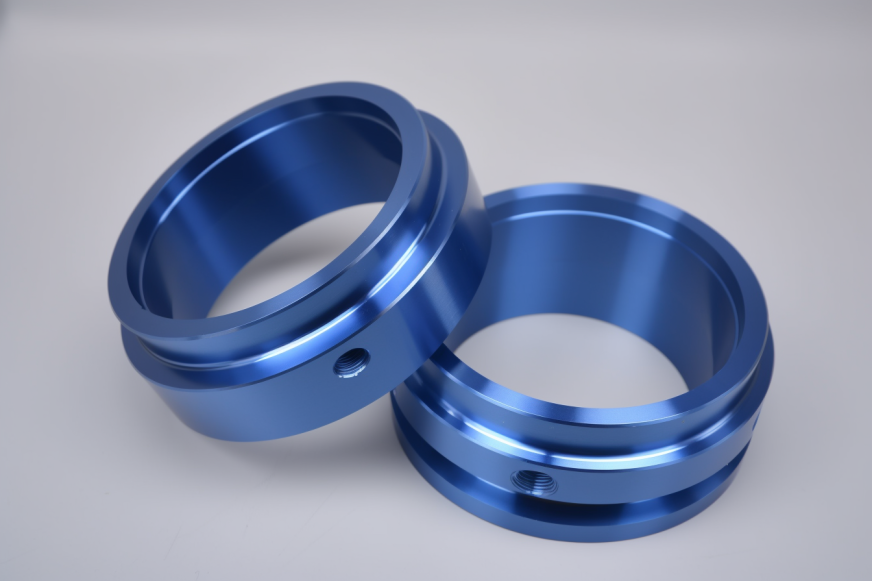
When specifying surface finishes for CNC machined parts, engineers must understand the critical factors that affect both quality and cost. Making informed decisions requires knowledge of measurement standards, manufacturing processes, and material considerations. The 6 critical aspects of CNC surface roughness every engineer should know: Surface Roughness Values: Ra ranges from standard (3.2 μm) to […]
What Should You Consider Before Bead Blasting Precision Parts?
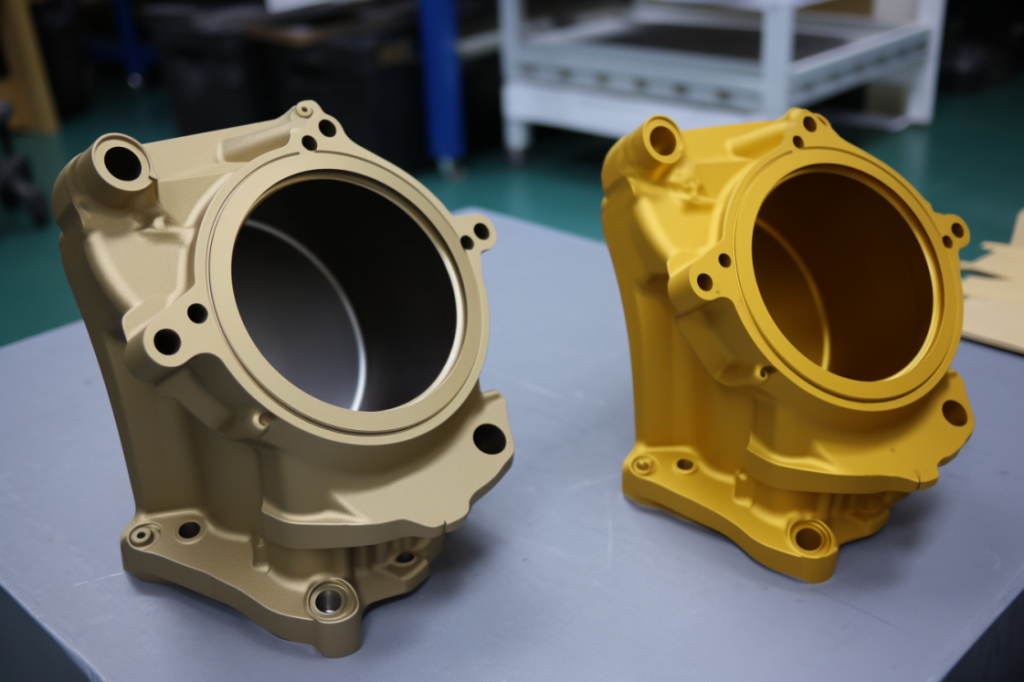
Not every precision part should be bead blasted — and determining suitability early in design prevents costly tolerance issues and production delays. With decades of CNC experience across aerospace, medical, and audio applications, we’ve learned that the wrong finishing choice can turn perfectly machined components into expensive scrap metal. Skip bead blasting for parts with […]
7 Reasons to Choose Bead Blasting Over Polishing for CNC Parts

When finalizing your CNC machined parts, choosing the right surface finishing method can make or break your project’s success. While traditional polishing has been a go-to solution, bead blasting is increasingly becoming the preferred choice among engineers and manufacturers—and for good reasons. Bead blasting surpasses polishing for CNC parts by preserving material integrity, offering superior […]
Key Things Engineers Must Know About Bead Blasting
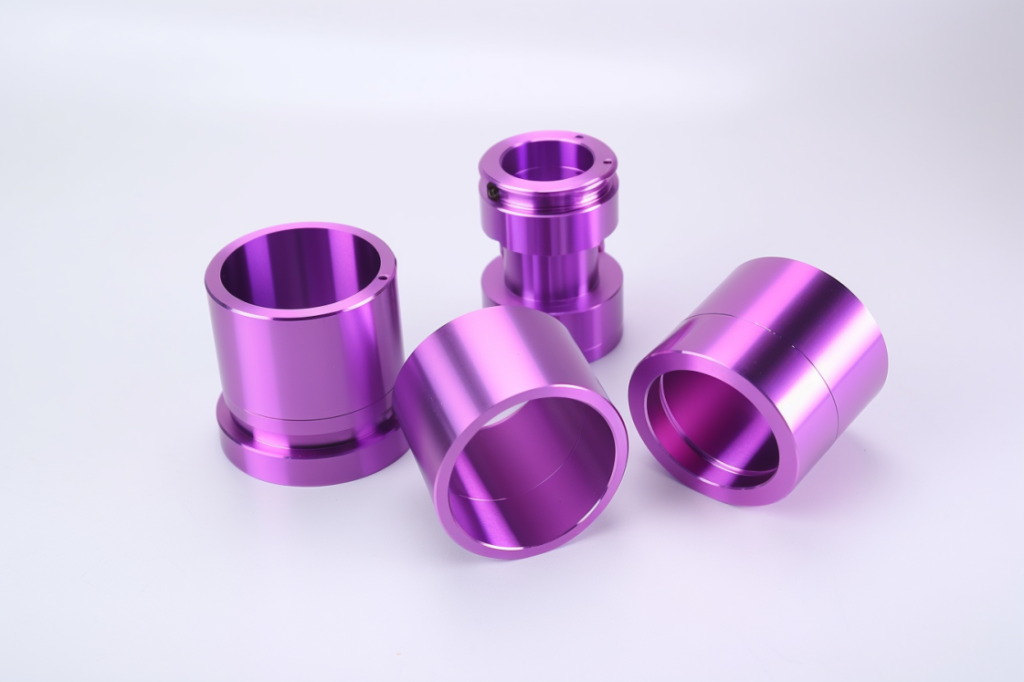
Surface finish decisions impact both part performance and production cost. With decades of CNC experience across aerospace and medical sectors, understanding bead blasting’s effects on tolerances and materials is critical for smart design choices. Bead blasting produces Ra 1.6–6.3 μm finishes while removing 0.005–0.025 mm material. Success depends on proper media selection, controlled air pressure, […]
How Can You Optimize Sheet Metal Joints for Welding and Riveting?
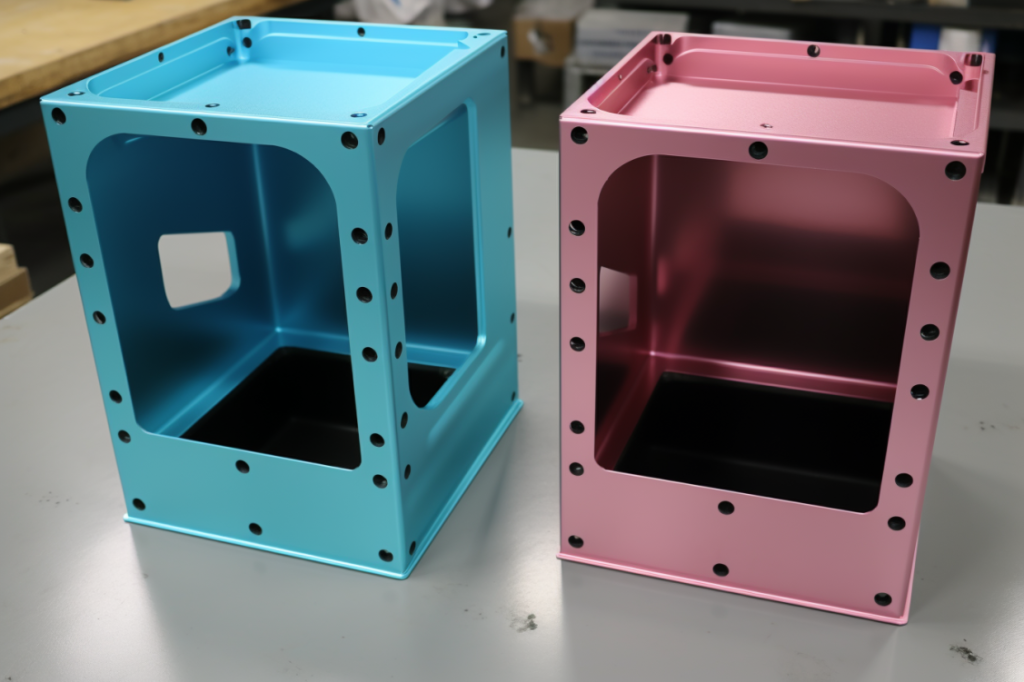
Sheet metal joint optimization isn’t just about choosing welding or riveting — it’s about balancing strength, cost, and manufacturability from the start of your design process. With decades of experience in precision fabrication, small adjustments to joint geometry, material thickness, and fastener placement can dramatically reduce production costs while maintaining structural integrity. Optimize sheet metal […]
6 Welding vs. Riveting Trade-offs for Engineers
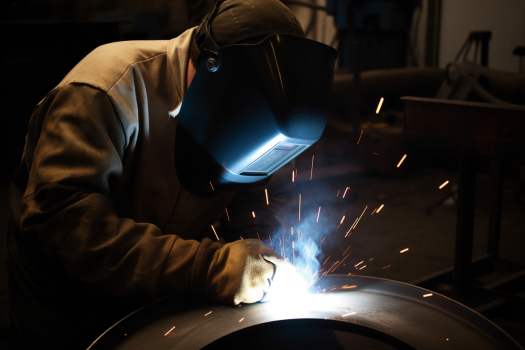
Choosing between welding and riveting for multi-part assemblies isn’t just about strength—it’s about balancing manufacturability, cost, and long-term performance. At Okdor, we regularly help engineers optimize joint selection during the design phase, preventing costly redesigns and manufacturing issues. Welding provides 70,000+ psi tensile strength with permanent, seamless joints but requires similar materials and heat-tolerant designs. […]
6 Reasons to Choose Welding Over Riveting

In modern manufacturing, choosing the right joining method can significantly impact your project’s success. While riveting has its place in metal fabrication, welding often emerges as the superior choice for many applications, offering unique advantages that can enhance both performance and efficiency. When selecting a joining method for metal components, welding often emerges as the […]
