
When Should You Choose Riveting vs. Welding in Sheet Metal Design?

Sheet metal joining decisions can make or break your project’s success. Choose wrong and you’ll face quality issues, cost overruns, or assembly problems during production when changes are expensive. Product developers consistently ask us whether riveting or welding better suits their designs — especially when balancing strength requirements against cost and material constraints. Riveting offers […]
How To Apply DFM to My Fit and Tolerance Decisions?
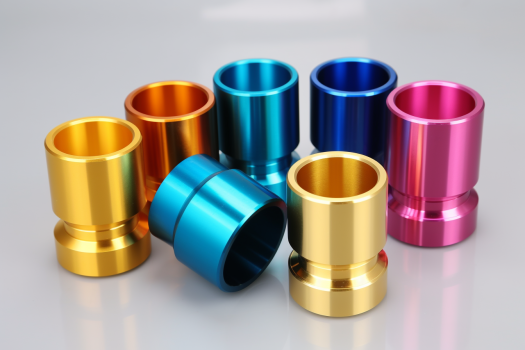
Tolerance decisions balance function, cost, and manufacturability from day one. After machining precision components for aerospace and medical applications, we’ve seen how DFM thinking prevents costly redesigns and tolerance conflicts during production. Apply DFM to fit and tolerance decisions by first identifying critical-function features that need tight tolerances, then using standard tolerances (ISO 2768-m) for […]
6 Steps to Determine the Right Fit and Tolerance for Your Design
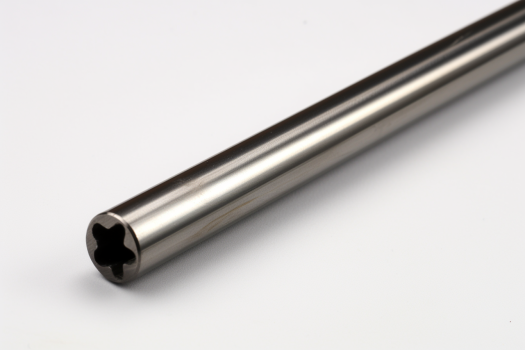
In precision manufacturing, the difference between a successful product and a failed one often comes down to fit and tolerance. Whether you’re designing complex machinery or simple components, understanding how to determine the perfect fit and tolerance is crucial for ensuring your parts work together seamlessly. To determine the perfect fit and tolerance for your […]
What Should Designers Know About Reaming?
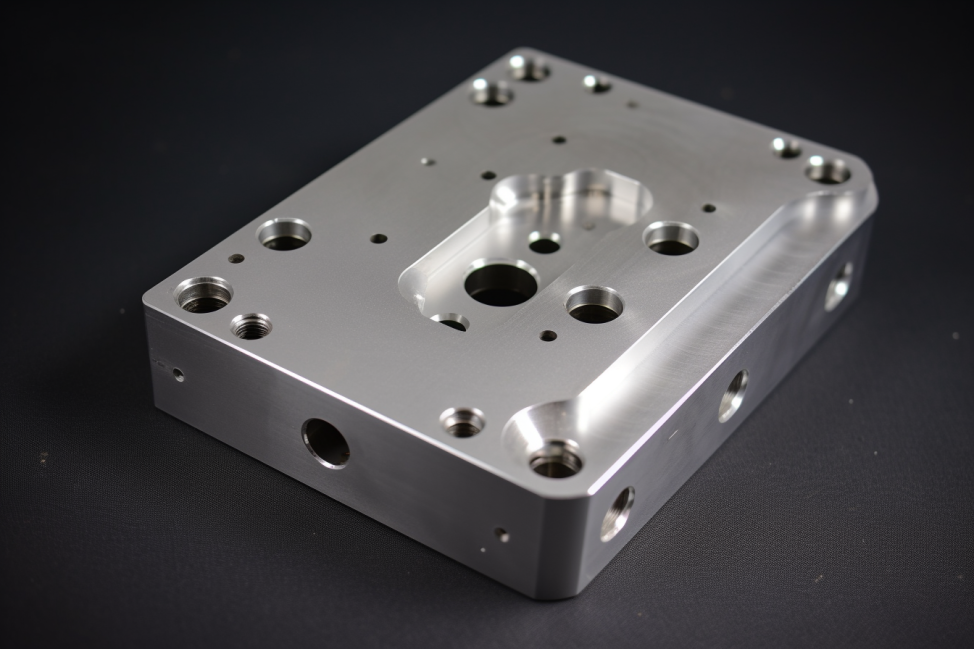
Reaming isn’t just about making holes rounder—it’s about achieving precision that drilling alone can’t deliver. With over 15 years machining parts for aerospace, medical, and audio sectors, proper reaming strategy eliminates assembly headaches while keeping costs reasonable. Designers should know that reaming delivers ±0.005–0.01 mm tolerance with Ra 0.8–1.6 μm finish, but requires careful pre-hole […]
Is Your CNC Design Production-Ready? Essential Checkpoints
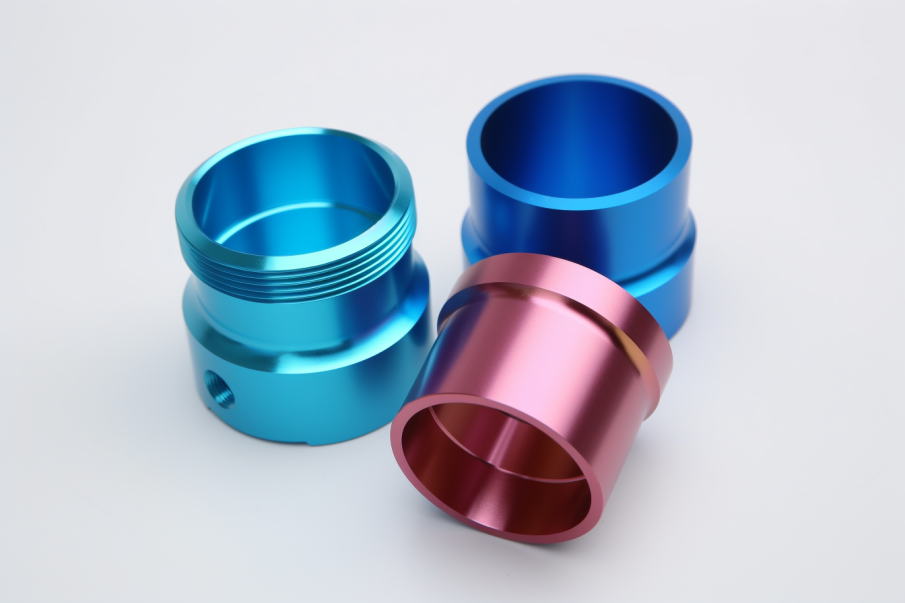
Unprepared CNC designs cause costly delays and quote rejections. After machining parts for aerospace, medical, and audio sectors, we see the same avoidable mistakes that push back timelines and inflate budgets. A CNC design is production-ready when it passes eight critical checkpoints: appropriate tolerances, adequate wall thickness, standard tooling compatibility, proper hole specifications, size constraints, […]
6 Reasons to Choose Reaming for Precision Holes
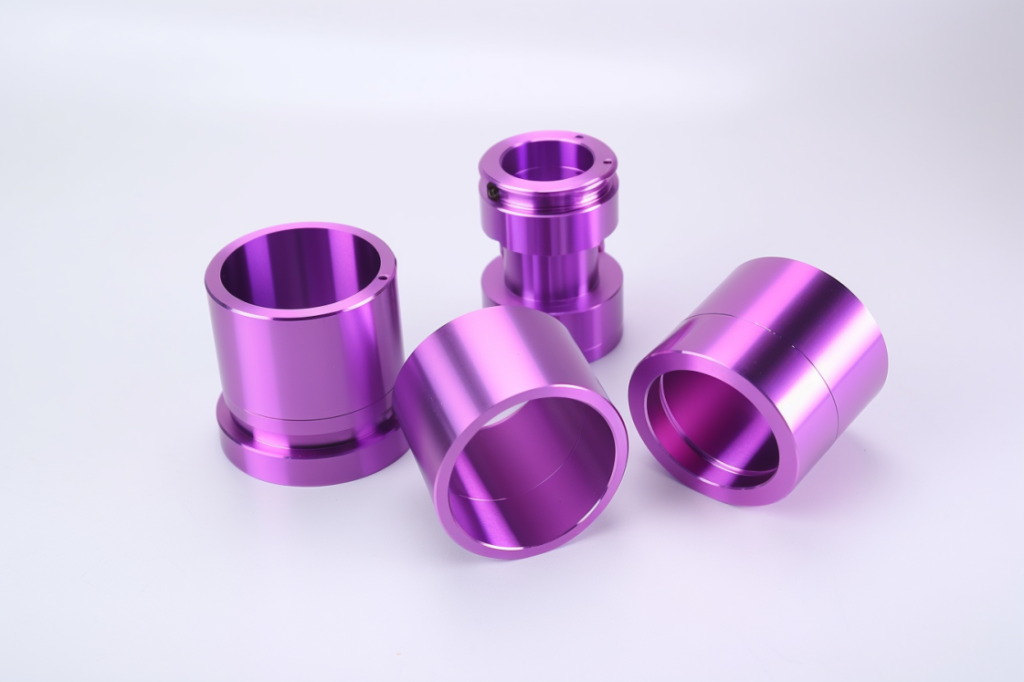
Precision hole requirements can make or break critical engineering projects. As a CNC machining service provider, we regularly help engineers solve challenging hole-finishing problems across aerospace, audio, medical, and industrial applications. This post addresses key questions about when precision hole finishing justifies the investment and how to make smarter design decisions. Reaming delivers six essential […]
7 Design Choices to Reduce Anodizing Costs
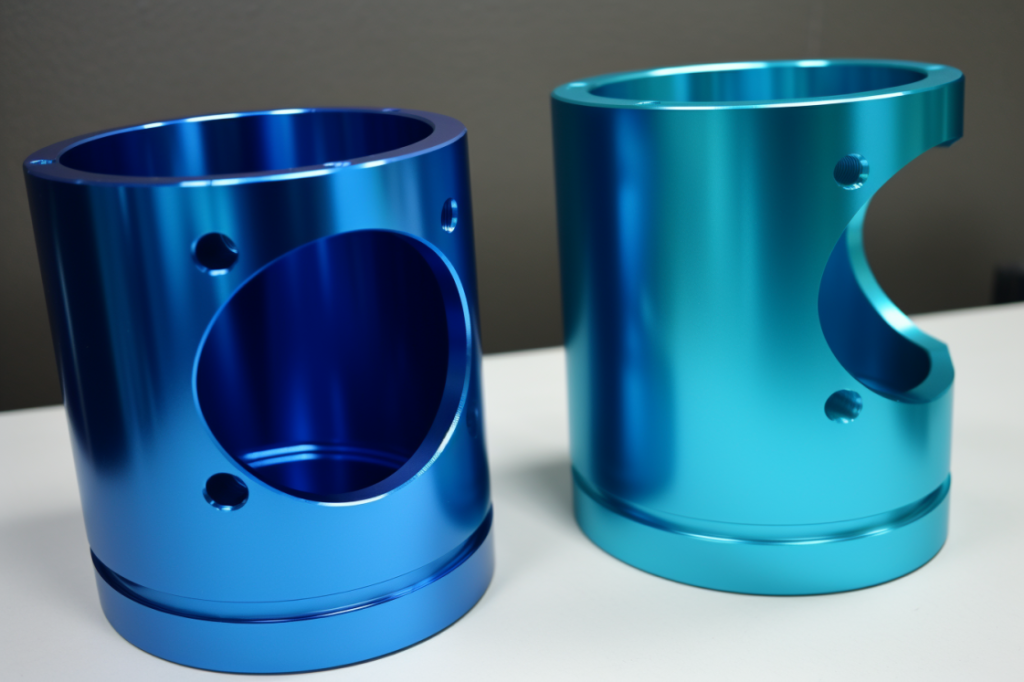
Anodizing decisions made during the design phase can cut finishing costs by 40-60% without sacrificing corrosion resistance or appearance quality. With decades of experience processing precision aluminum parts for aerospace, medical, and audio applications, small design modifications consistently reduce both labor time and per-part expenses while maintaining tight tolerances. Choose 6061 over 7075 aluminum, simplify […]
6 Mistakes to Avoid When Reaming a Hole
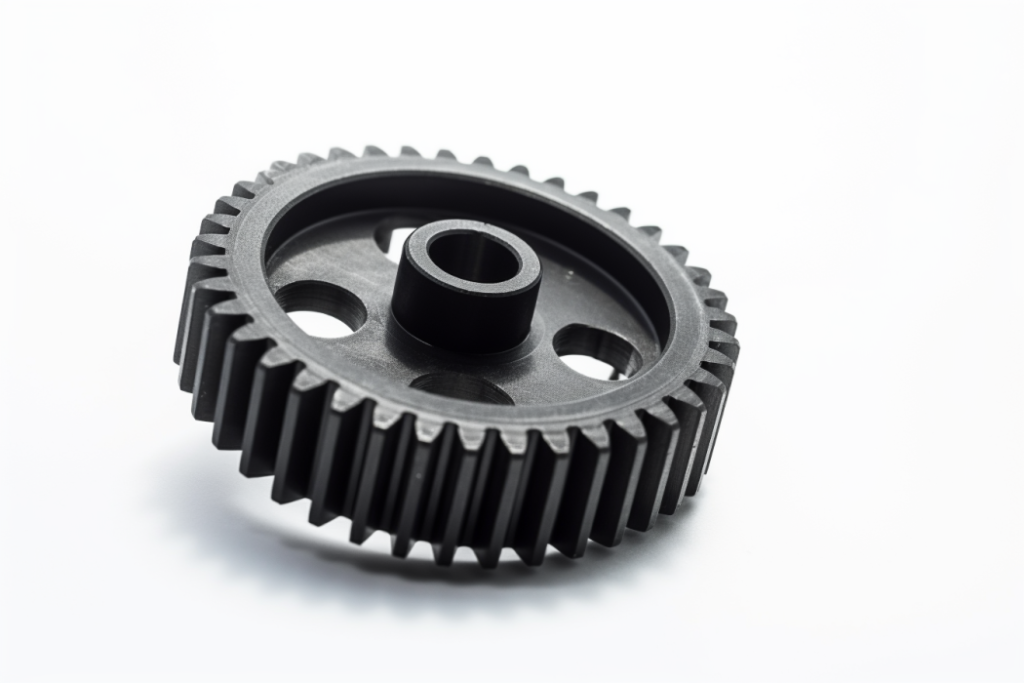
Precision hole specifications can determine whether your assembly meets tolerance requirements or fails in the field. With over 15 years machining critical components for aerospace, medical, and audio sectors, we’ve seen how reaming specification mistakes drive up costs and delay product launches for even experienced engineering teams. Six critical reaming specification errors include wrong application […]
8 Tips for Accurate Anodizing Quotes
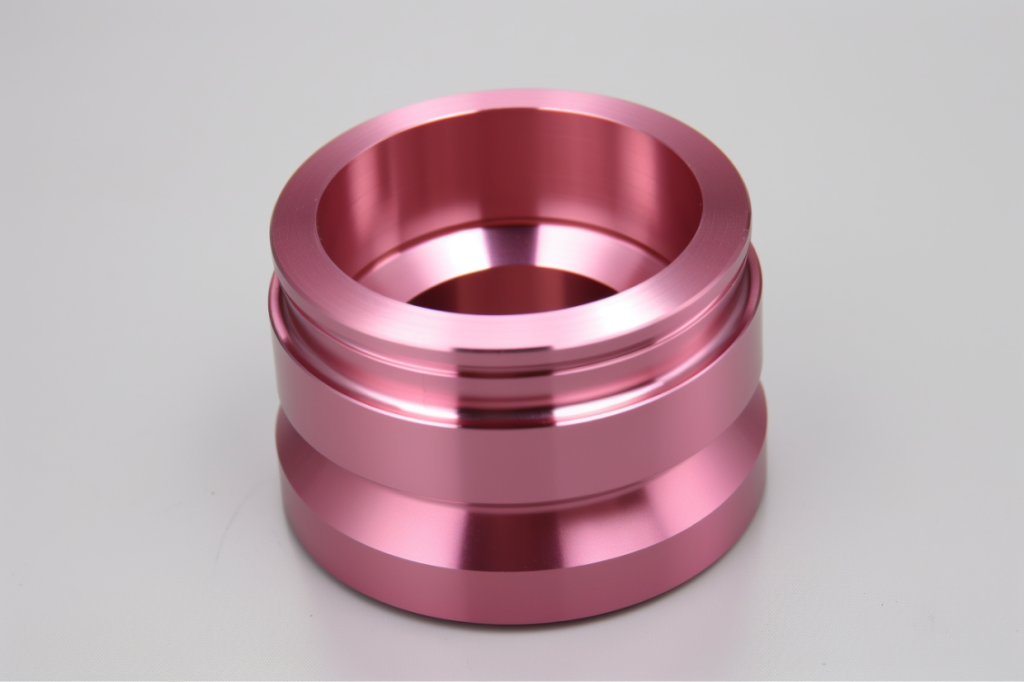
Getting accurate quotes for anodizing custom parts is like getting a precise recipe – you need all the right ingredients and specifications. Understanding what information to provide helps ensure accurate pricing and prevents surprises. Eight key tips ensure accurate anodizing quotes: sharing detailed CAD files, specifying material type, stating finish requirements, communicating quantity, considering setup […]
7 questions to ask for Your Tight Tolerance Quote
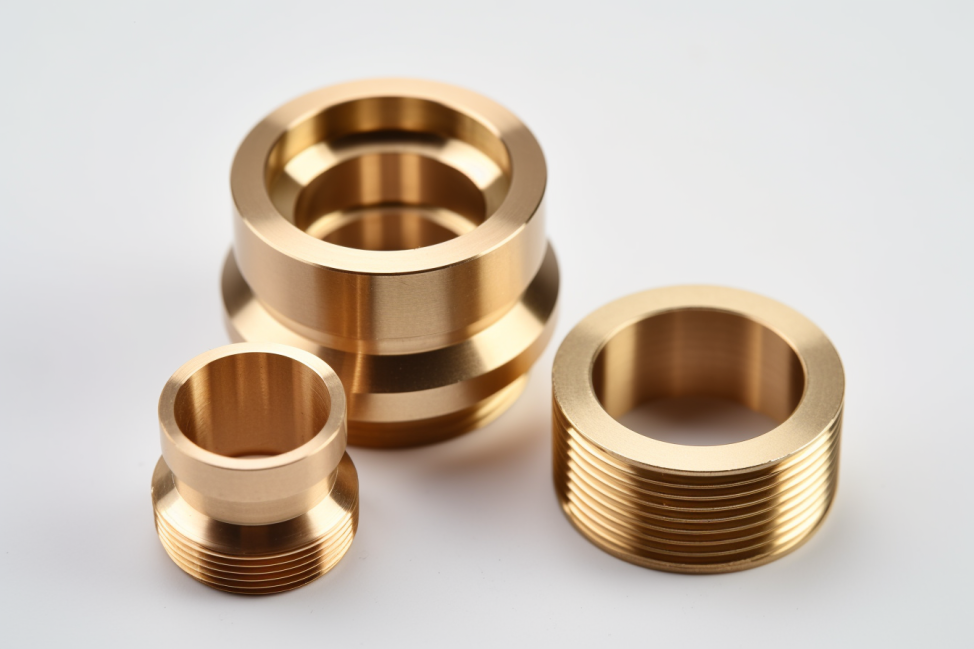
Tight tolerance quoting often surprises engineers with hidden costs. After machining thousands of precision parts for medical devices and aerospace components, seven key questions determine accurate pricing. The seven questions cover feature prioritization, material constraints, surface finish strategy, cost drivers, fixturing requirements, setup limitations, and measurement capabilities. Answering these before requesting quotes prevents 2-4x cost […]

