
Is aluminum hard to cut?

Choosing aluminum for your next machined part isn’t just about cost — it’s about understanding how different grades perform under cutting tools and whether they’ll meet your design requirements. With over 15 years machining aluminum components for aerospace, medical, and audio applications, we’ve helped engineers navigate the trade-offs between machinability, strength, and surface finish quality. […]
Is Steel an Alloy?
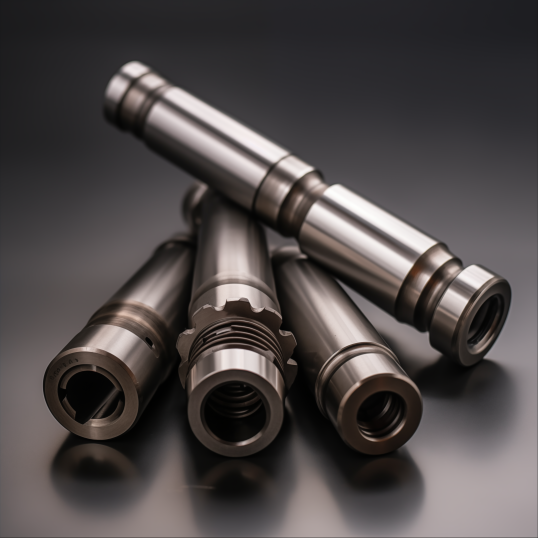
Have you ever wondered what makes steel a versatile and widely used material? Is it a pure element or something more complex? Yes, steel is an alloy. It primarily consists of iron, carbon, and other elements, combining strength with flexibility for diverse uses. Join us as we delve into the intricacies of steel’s composition, its […]
How to Design Successfully with Aluminum 2024?

Designing for CNC machining isn’t just about geometry — it’s about balancing strength requirements with manufacturing reality. With extensive experience machining precision 2024 aluminum components for aerospace and industrial clients, small specification decisions dramatically impact both performance and cost. Successful 2024 aluminum design requires protecting against corrosion, avoiding complex welds, and reserving tight tolerances for […]
Do I Need to Worry About Aluminum Oxidation?
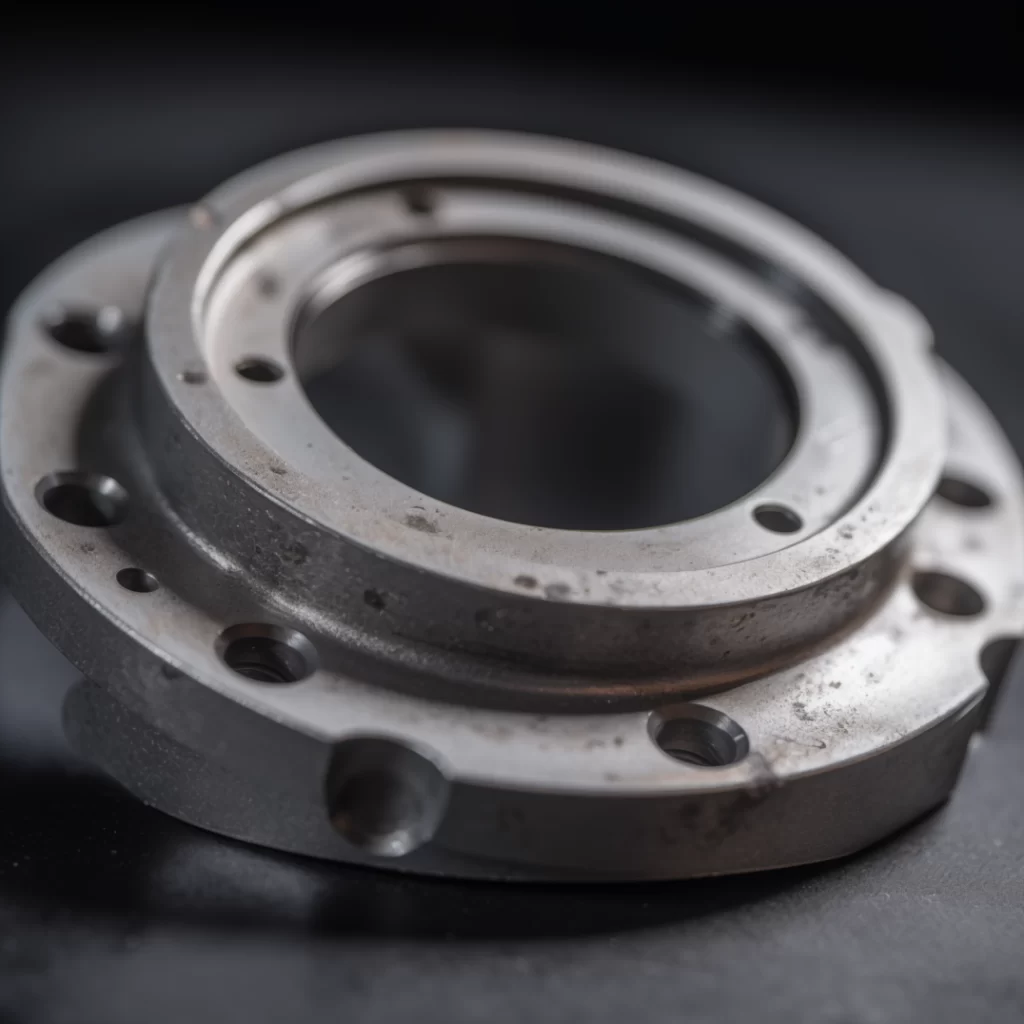
Designing precision aluminum parts means understanding oxidation—but it’s not the destructive rusting you see with steel. With decades of experience machining aluminum components for aerospace, audio, and medical applications, oxidation behavior directly impacts both functionality and cost decisions. For most aluminum parts, oxidation isn’t a concern—it forms a protective barrier that prevents further corrosion. You […]
What metal alloys are black?

Black metals are often specified for aesthetics, corrosion resistance, or low reflectivity — but most metals don’t come black out of the box. Engineers need to know which alloys are naturally dark versus which require a finish, especially when downstream processes like welding or tight-tolerance machining are involved. Only a few metal alloys appear black […]
Can ABS Hold Tight Tolerances in CNC Applications?
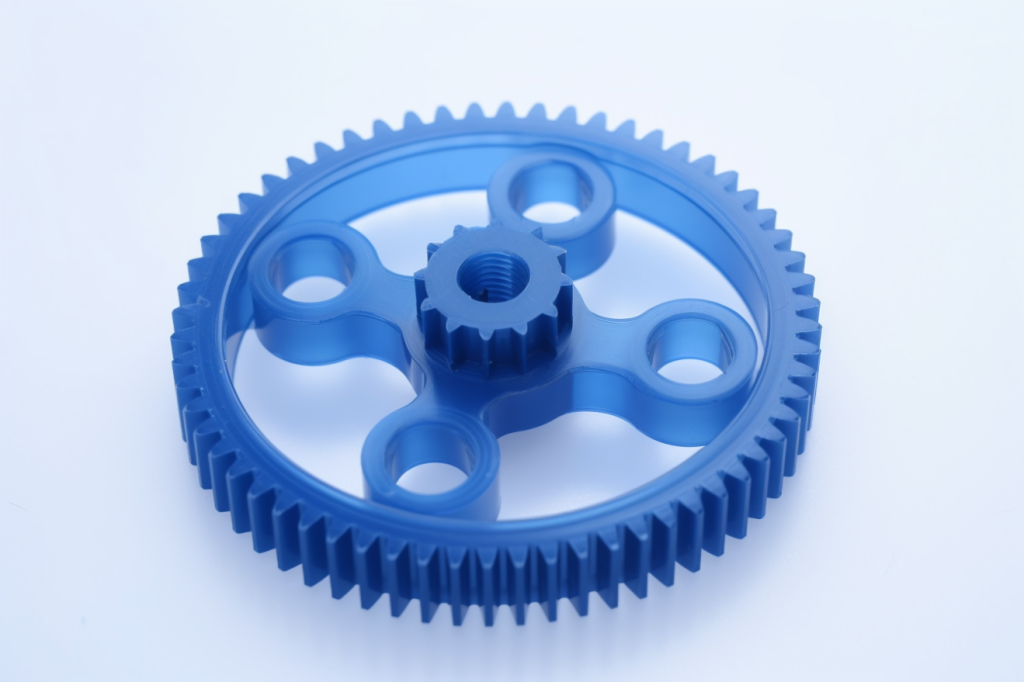
Designing precision ABS parts requires understanding how this material behaves under CNC cutting conditions. After machining thousands of ABS components for medical devices, electronics housings, and aerospace prototypes, we’ve learned that achievable tolerances depend on more than just machine capability. ABS can consistently hold ±0.05 mm tolerances on most features, with ±0.025 mm achievable on […]
What is stainless steel 304?
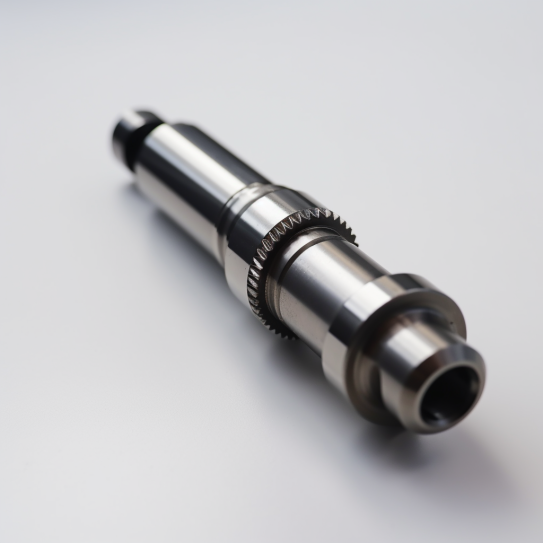
https://okdor.com/wp-content/uploads/2023/12/ss-304-1220.mp4 Selecting 304 stainless steel for CNC projects requires understanding its application limits and machining characteristics. With decades of experience manufacturing precision parts for aerospace, medical, and industrial clients, small material decisions significantly impact both performance and cost. 304 stainless steel contains 17.5-19.5% chromium and 8.0-10.5% nickel, making it the most widely used austenitic stainless […]
Should you use 6061 aluminum for your design?
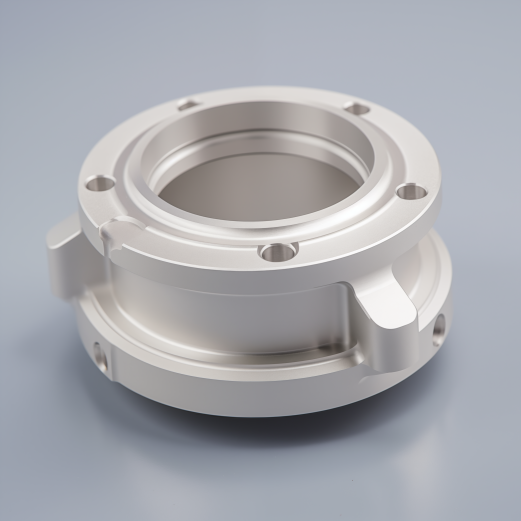
Choosing aluminum grades impacts both manufacturability and cost. After machining thousands of precision parts for aerospace, audio, and medical applications, 6061 consistently delivers the best balance of performance and production efficiency. 6061-T6 aluminum offers excellent machinability with ±0.01 mm tolerance capability, moderate strength (276 MPa tensile), and broad finishing compatibility. It’s ideal for most prototyping […]
Should I Use Hardened Steel for My CNC Machined Part?

Choosing hardened steel for CNC parts means balancing performance needs against machining complexity and cost. From aerospace to medical applications, the right material decision impacts both functionality and manufacturability. Use hardened steel when you need wear resistance above 45 HRC, high-cycle fatigue resistance, or surface durability under friction. Most structural components perform adequately with standard […]
Does aluminum get rusty?
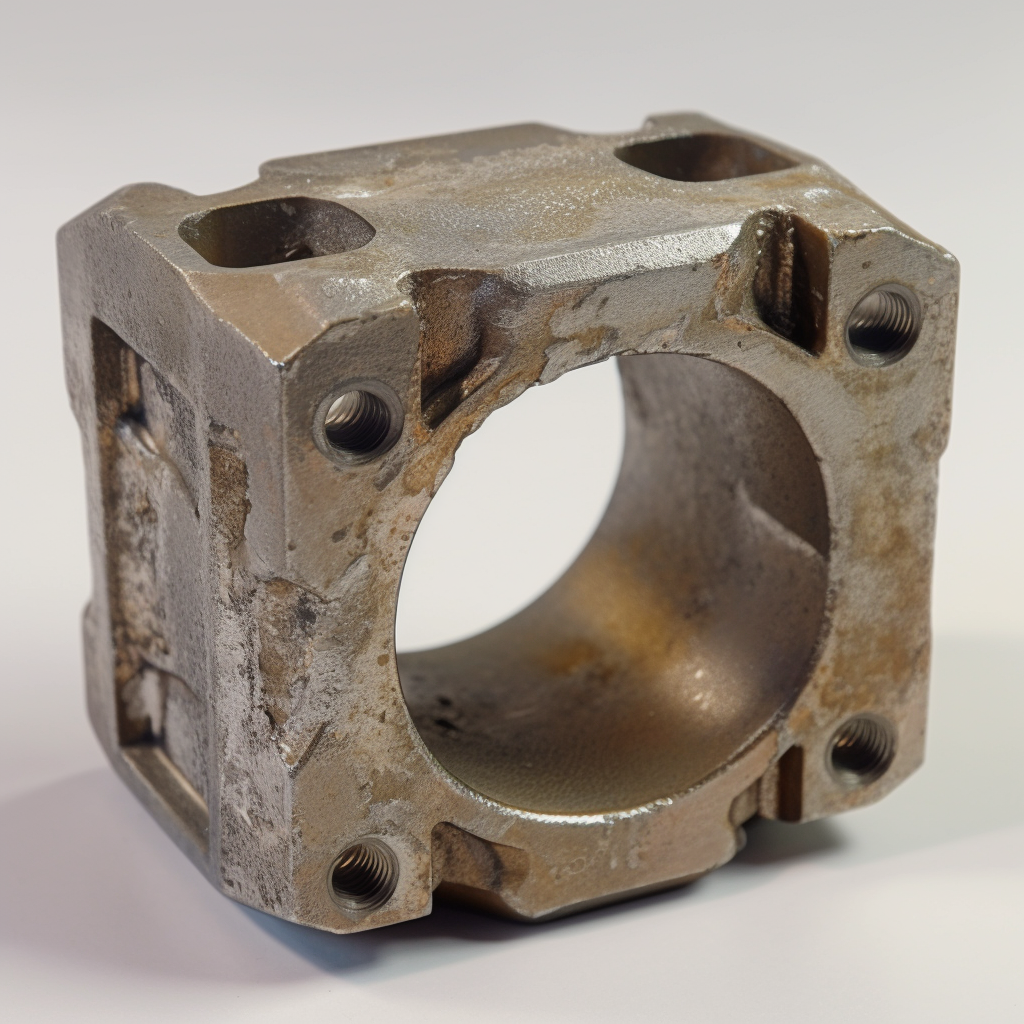
https://okdor.com/wp-content/uploads/2023/12/Does-aluminum-get-rusty.mp4 Engineers often worry whether aluminum CNC parts will rust like steel in their assemblies. After machining precision aluminum components for aerospace, medical, and industrial applications, we know how corrosion concerns drive material selection. Understanding aluminum’s oxidation behavior helps you choose the right alloy and surface treatment. Aluminum doesn’t rust like steel—it forms a protective […]

