
How To Choose Between Magnetic and Non-Magnetic Sheet Steel?

Choosing between magnetic and non-magnetic sheet steel affects manufacturing, assembly, and product performance. With experience fabricating precision components for medical, aerospace, and electronics industries, small material decisions can make or break entire projects. Non-magnetic sheet steel (304/316 stainless) is required when electromagnetic interference or sensor accuracy are critical, while magnetic steel offers better strength-to-cost ratios […]
Is brass easy to machine?

Choosing the right material for CNC parts isn’t just about strength or cost – it’s about balancing performance with manufacturability. With decades of experience machining brass components for audio, medical, and aerospace applications, we’ve helped engineers navigate the brass-versus-aluminum decision countless times. Yes, brass is exceptionally easy to machine – typically 20-30% faster than aluminum […]
Should You Choose Nylon for Your Next Prototype?

Choosing nylon over aluminum for prototyping means balancing lightweight benefits with precision limitations. After machining nylon housings for medical and instrumentation applications, material selection depends on your tolerance and performance requirements. Machined nylon works best for prototypes requiring lightweight, chemically resistant parts with moderate precision (±0.1 mm typical). It’s faster than injection molding for low […]
Machining PTFE (Teflon): Techniques, Challenges, and Applications
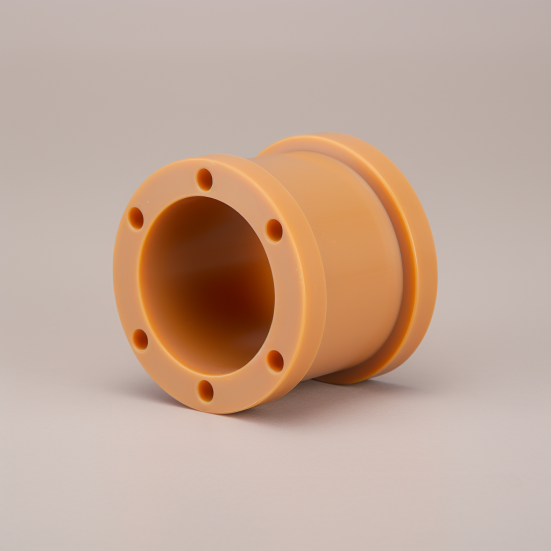
PTFE’s chemical resistance and low friction make it essential for precision components, but its thermal sensitivity creates machining challenges. Having manufactured PTFE parts for aerospace, medical, and chemical applications, we’ve developed techniques to achieve consistent results while maintaining tight specifications. PTFE machining requires specialized cutting parameters and thermal management to prevent warping. Standard tolerances of […]
What is Black Anodized Aluminum?

Choosing black anodizing for aluminum parts affects both appearance and function. With experience finishing thousands of components across aerospace, audio, and medical applications, small specification details make a big difference in cost and performance. Black anodizing creates a durable oxide layer that adds 0.0005-0.002″ per side to aluminum parts. It provides excellent corrosion and wear […]
Should I Use Galvanized Steel or Stainless Steel for My Product Design?

Material selection between galvanized steel and stainless steel affects both upfront cost and long-term performance. With extensive experience manufacturing components for industrial, automotive, and outdoor applications, the right choice depends on your specific corrosion requirements, budget constraints, and environmental conditions. For most outdoor and moderate corrosion applications, galvanized steel offers 85% of stainless steel’s protection […]
What Sets Copper, Brass, and Bronze Apart?

In material engineering, copper, brass, and bronze have a variety of properties that affect performance, cost-effectiveness, and suitability. The red metals have distinct properties that make them suitable for certain applications, also known as red metals. These distinctions guide the selection of the most appropriate material for an application, ensuring optimal performance, durability, and cost-efficiency.
Why is Steel a Ferrous Metal?

Why is Steel a Ferrous Metal? The primary reason why steel is considered a ferrous metal lies in its composition. The high iron content, carbon, and other elements firmly place the steel in the ferrous category. This iron dominance in its composition gives the steel its signature strength and magnetic properties, making it a perfect fit for applications requiring durability and resilience.
When should I use non-ferrous metals instead of steel?
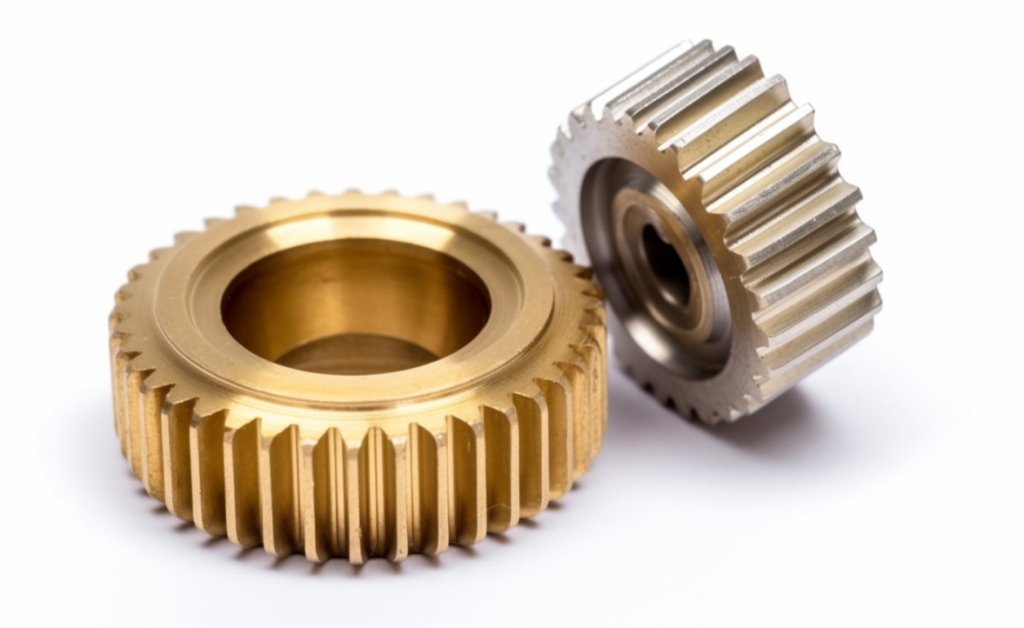
Non-ferrous metals, as the name suggests, are metals that do not contain iron. This category includes various materials, each with unique properties and applications. Unlike ferrous metals, such as cast iron, wrought iron, and various steel forms, non-ferrous metals are not magnetic and are usually more corrosion-resistant. Thanks to their distinctive properties, they play a crucial role in various industries, from construction and manufacturing to electrical and domestic applications.
How Do I Optimize Geometry for Maximum Part Stiffness?

When we talk about material stiffness, or the elastic modulus, as the science folks call it, we’re talking about how much a material squirms when we apply force. It’s a big deal in designing anything from bridges to bottle caps. The stiffer the material, the less it squirms under pressure.
But how do we measure this stiffness? And what makes one material stiffer than another? Let’s dive in and find out.

