
CNC Machine Broke Down Before Deadline? What to Do Next
Your CNC supplier tells you a machine broke down, and your delivery is already close. At this stage, the explanation itself doesn’t change much—because even a real breakdown doesn’t pause your deadline. What matters is whether waiting still protects your schedule, or quietly makes it worse. If a CNC machine breaks down before your deadline, […]
Supplier Used Different Machine Than Quoted — Tolerances Failed
You approved a CNC machining quote, waited through production, and then received parts that failed tolerance. Only after inspection did it become clear the supplier ran the job on a different machine than quoted. Now you’re deciding whether a remake will fix anything—or just repeat the same failure. If a supplier used a different CNC […]
Did Production Actually Start — or Is Your Supplier Stalling?

When a supplier says “production has started”, it’s often unclear whether machines are actually cutting or the schedule is quietly slipping. Once cutting hasn’t begun, lost days add up fast — and waiting for reassurance can erase recovery options. If production is claimed to have started, only physical, time-bound manufacturing evidence confirms it. This article […]
What to Do When Supplier Changes Lead Time After PO?

Your supplier confirmed lead time. After PO, it changed. That shift is often the first sign of a deeper production or capacity problem. When a CNC supplier changes lead time after PO, you must verify whether the delay is legitimate or masking a failure — and decide quickly whether to push back, recover, or exit […]
Your CNC Parts Failed First-Article Inspection — What Now?
Your parts failed first-article inspection, and now the project is paused while everyone waits for a decision on what to do next. When an FAI fails, the next step is to determine whether the failure proves a supplier capability limit, a reworkable manufacturing error, or a drawing requirement that already prevents compliance. That classification directly […]
Passed FAI but Failed Production — What That Means
You approved FAI, released production, and still ended up with drifting dimensions, fit failures, or rejected batches. That sequence is common — and it’s not a contradiction. It means the supplier could make a compliant sample, but never established a stable, repeatable production process capable of holding control at volume. The sections below explain how […]
Can Your CNC Parts Pass Compliance Without Material Certs?
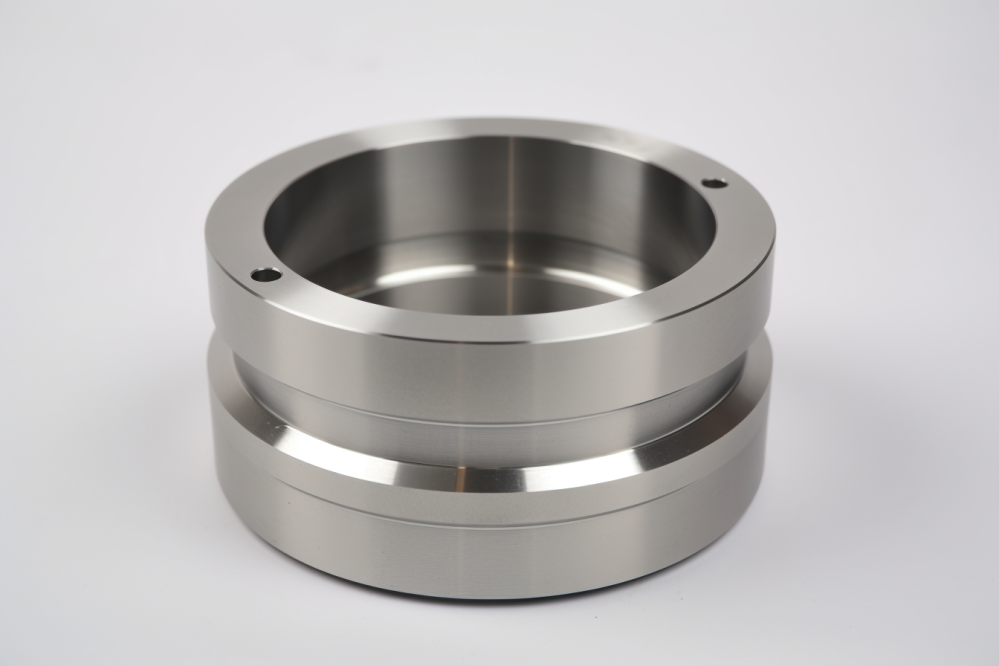
Your CNC parts are finished, but the material certificates are missing. At that point, shipment and compliance approval are at risk, even if the parts meet all dimensional requirements. Most CNC parts cannot pass compliance without material certificates. Only limited cases allow recovery, and testing alone does not replace traceability under most audit or customer […]
Your Quote Doubled After Tolerance Review — What to Do Next
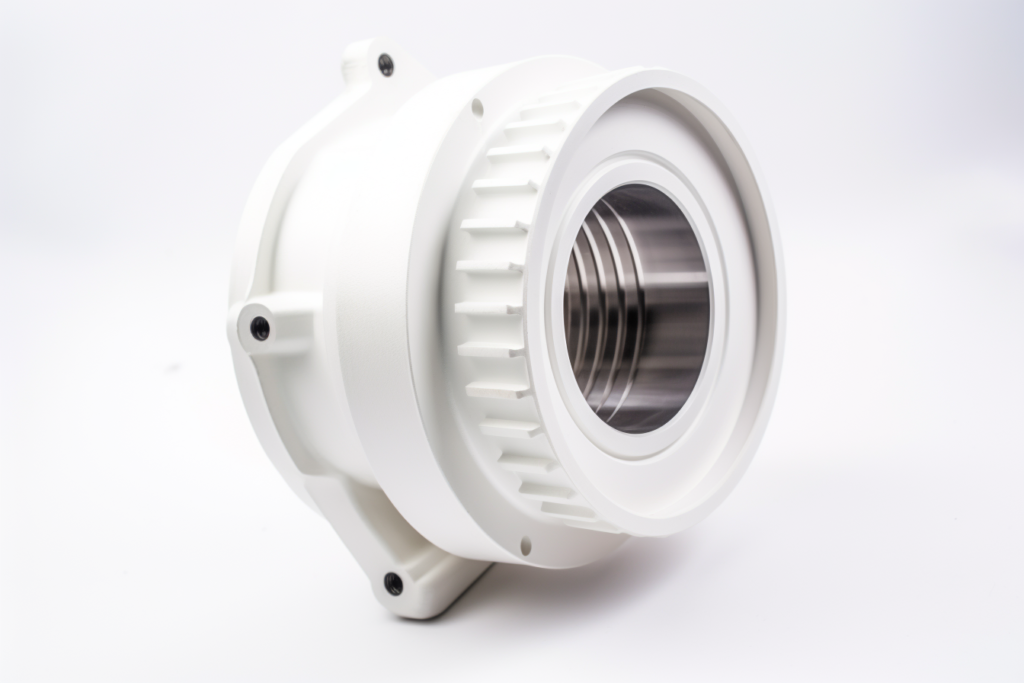
Your supplier reviewed your tolerances and the quote suddenly doubled. No design change—just a new price tied to “tight tolerances.” When this happens, the problem is rarely your drawing. It’s almost always a capability gap, misread tolerance scheme, or risk padding on the supplier side. A doubled quote after tolerance review usually means the supplier […]
CNC Supplier Keeps Asking for ‘Just One More Week’ — When to Cut Losses
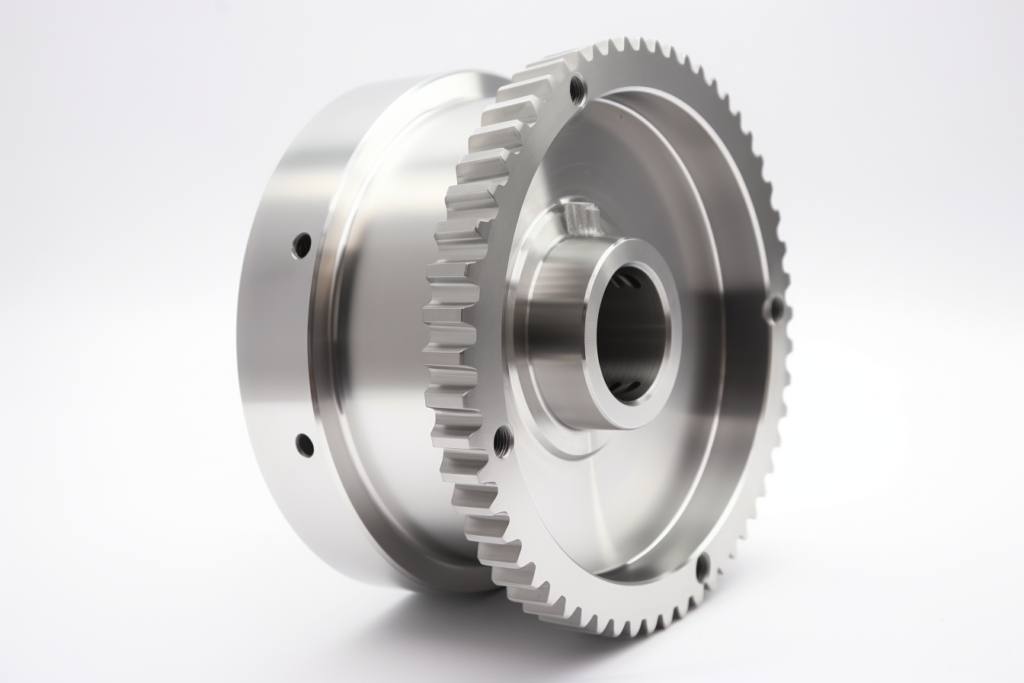
The first delay sounded reasonable. The second felt unlucky. By the third — you’re realizing something is fundamentally wrong. If a supplier misses their committed delivery twice and cannot show verified production progress, it’s time to line up a backup supplier. After 2–3 “one more week” delays, the problem is capability, not schedule — and […]
CNC tolerance stack-up rejections — how to prevent them before quoting
Your CNC drawing may look fully compliant, yet suppliers still reject it due to “tolerance stack-up risk.” These rejections usually appear after long quoting delays, right when your schedule can’t afford surprises. CNC tolerance stack-ups get rejected when the required fixture stability, post-process growth control, or inspection access exceeds a supplier’s capability — even if […]

