
The Seven TYPES of Corrosion: An In-Depth Look at Metal’s Greatest Enemy
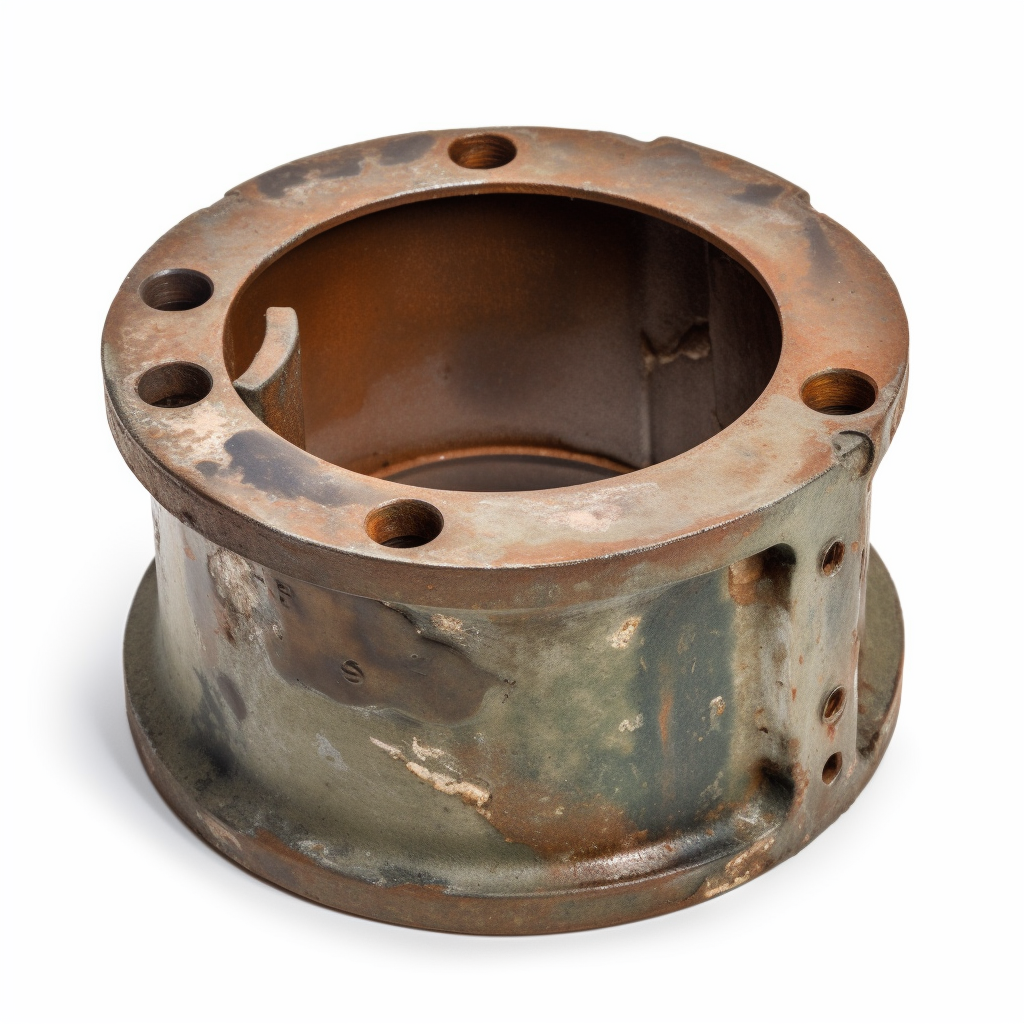
The seven main types of corrosion are uniform, galvanic, crevice, pitting, intergranular, stress-corrosion cracking, and erosion-corrosion, each posing unique threats to metals. Whether you’re a curious homeowner or an industry professional, understanding these corrosion types is crucial for prevention and maintenance. Let’s unravel the science and strategies behind combating metal’s unseen adversary. Table of Contents […]
Is aluminum hard to melt?

Aluminum might seem like another metal, but its melting point tells a different story. This lightweight wonder has a secret up its sleeve when it comes to turning up the heat. Aluminum is surprisingly easy to melt, with a low melting point of 660.3°C (1220.5°F), far lower than many common metals, making it a unique […]
Unsticking the Unmovable: A Guide to Freeing a broken screw

A broken screw stuck in a tap hole can turn a simple task into a major headache. But don’t despair! This guide will walk you through the steps to extract that pesky screw without causing more damage. To remove a broken screw from a tap hole, use a screw extractor set, apply penetrating oil, gently […]
Counterbore: Types, Applications and Steps to Make One
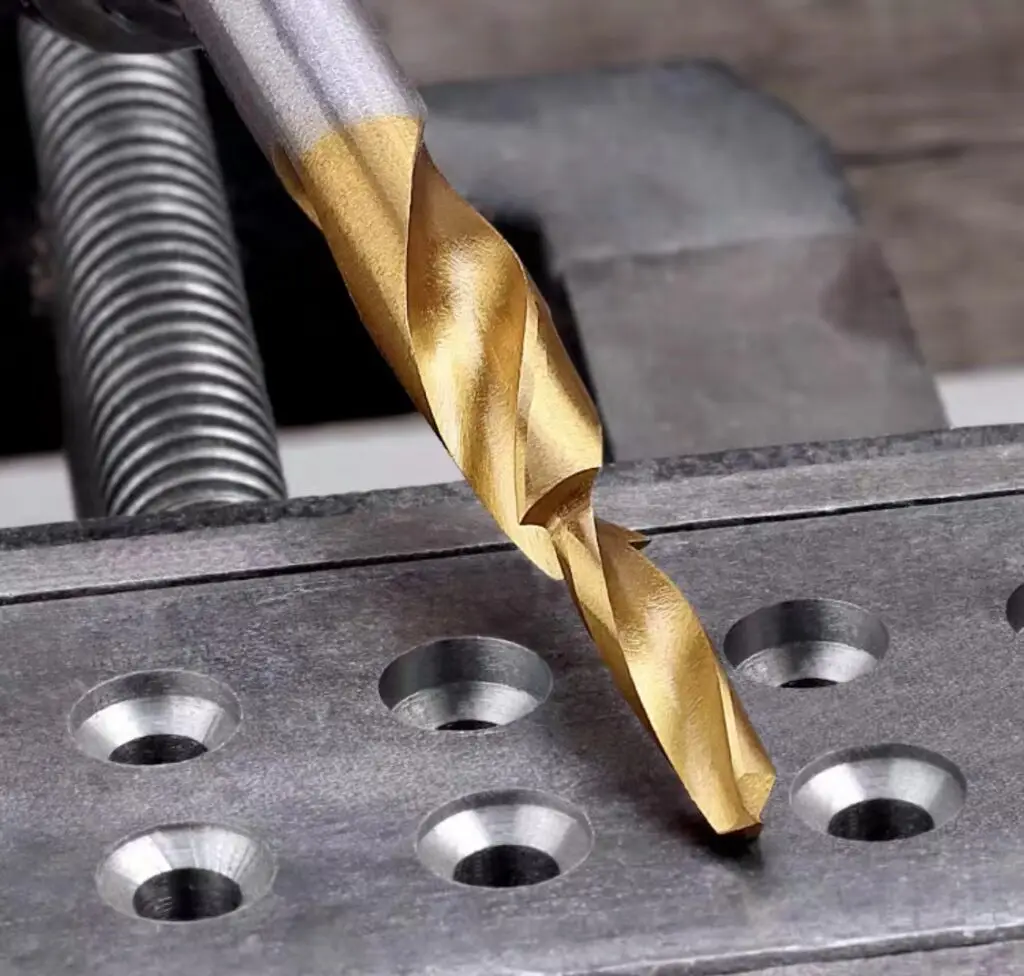
Choosing the right counterbore affects assembly function, fastener accessibility, and manufacturing cost. With experience machining precision components for aerospace, medical, and industrial sectors, small counterbore decisions often prevent costly redesigns and assembly complications. Counterboring creates a flat-bottomed, enlarged recess allowing fastener heads to sit flush with or below the surface for improved function and aesthetics. […]
Does titanium corrode?

Titanium’s reputation as “corrosion-proof” leads many engineers to assume no surface treatment is needed. After machining titanium parts for aerospace and marine applications, we’ve learned when this assumption holds true—and when it can lead to costly failures. Pure titanium does not corrode like steel, but it can suffer localized corrosion in specific environments. Titanium forms […]
How to prevent rust on your metal parts?
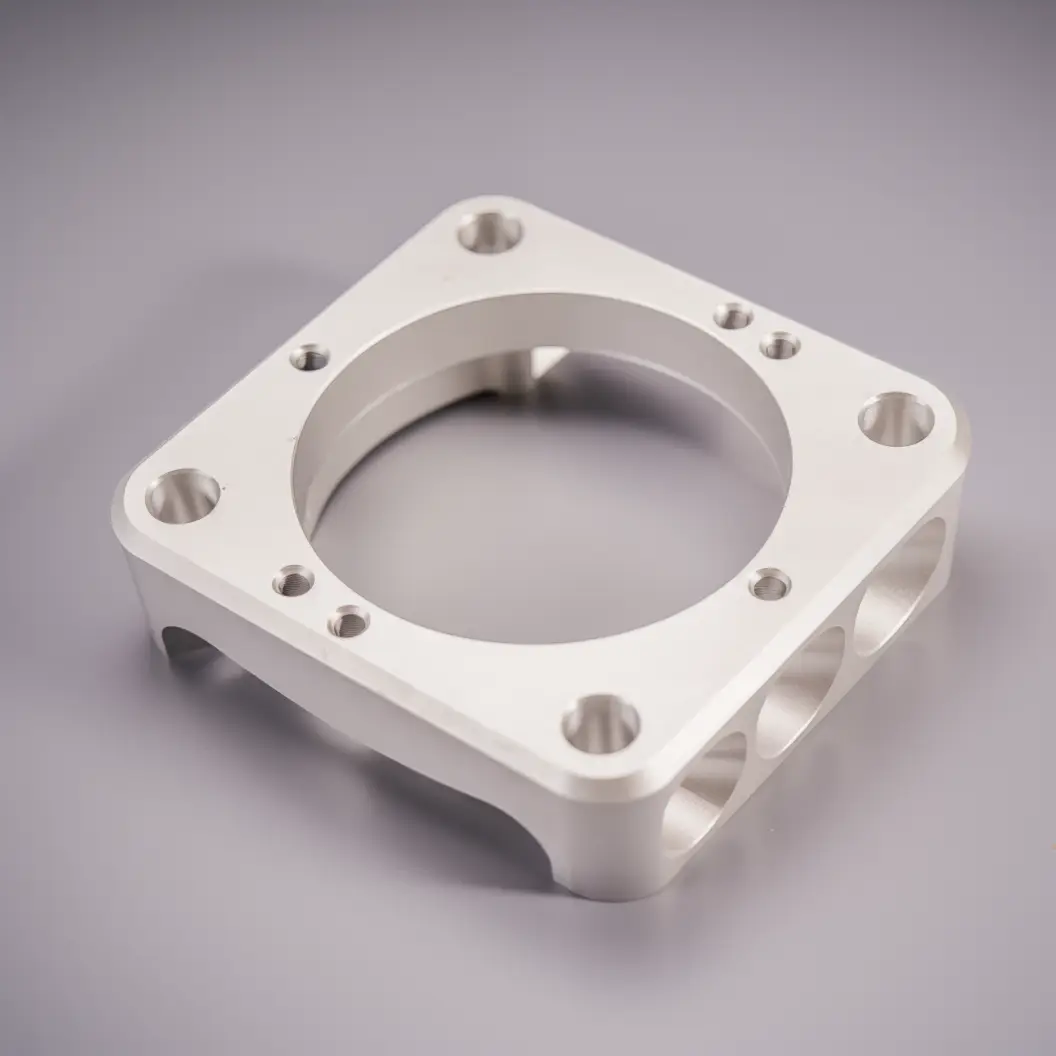
Designing for CNC machining isn’t just about geometry — it’s about preventing costly corrosion problems before they start. With decades of experience manufacturing parts for aerospace, medical, and industrial sectors, we’ve seen how smart material and design choices dramatically reduce rust risks while keeping costs reasonable. Prevent rust on metal parts through three key strategies: […]
How Do I Choose the Right Plastic Material for My CNC Parts?

Choosing CNC plastic materials affects both part quality and production cost. After machining thousands of precision plastic components, small material decisions make huge differences in dimensional accuracy and tool life. Start with POM (Delrin) for tight-tolerance parts, nylon 6/6 for structural strength, and ABS for general-purpose housings. Engineering plastics like PEEK cost 10x more but […]
Why are spur gears better?
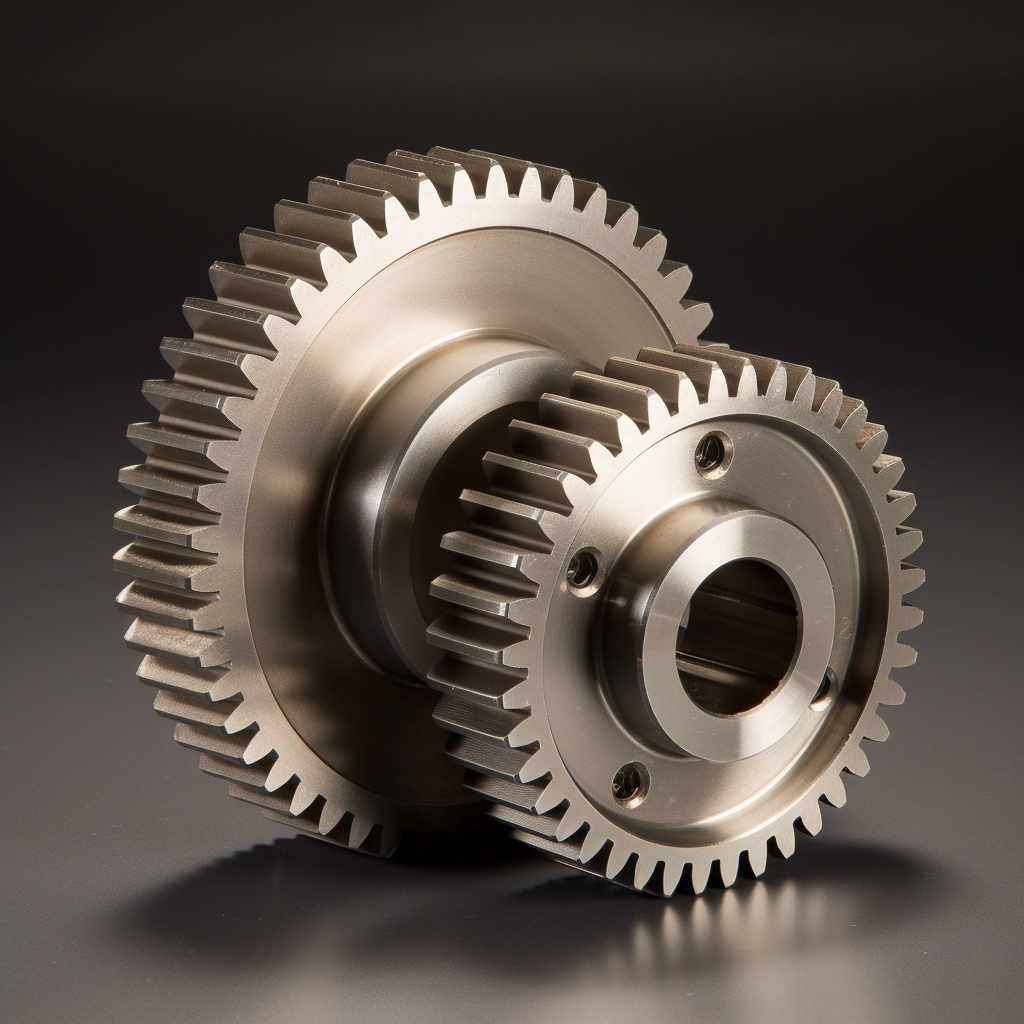
Spur gears aren’t always the obvious choice, but they solve cost and complexity problems that helical and bevel gears create. From medical device housings to robotics assemblies, we’ve machined spur gears that outperform complex alternatives. Spur gears are better when you need predictable costs, simplified machining, and easier tolerance control. They eliminate the axial loads […]
A Quick Guide to Machining Cutting Tools

Cutting tools might not get the limelight, but they’re the unsung heroes in the world of machining. From the tiniest drill bit to the most massive milling cutter, these tools have shaped civilizations, powered industries, and made modern life possible. Table of Contents Basics of Cutting Tools: More Than Just Sharp Objects What Exactly is […]
How Does Helix Angle Affect Your Gear Design?

Selecting the right helix angle determines whether your gear runs quietly or creates costly noise problems during testing. With over 15 years machining custom gears for robotics, industrial equipment, and precision machinery, we’ve seen how small helix angle changes dramatically affect both performance and manufacturing cost. Helix angle affects four critical design factors: noise levels […]

