
Why is My Gear Making Noise?

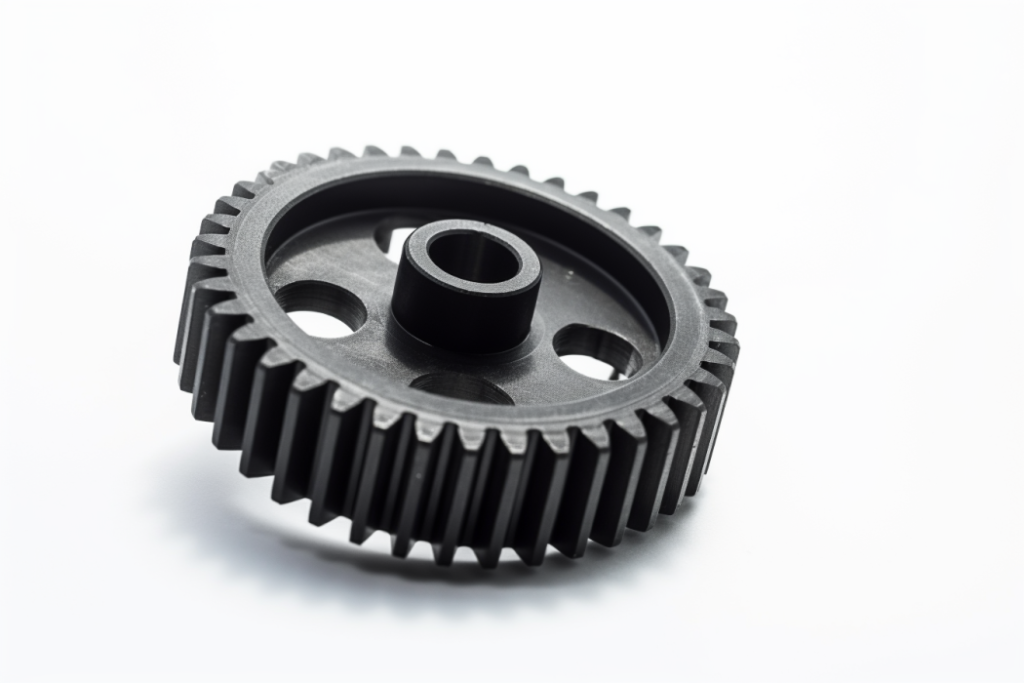
Gear noise during operation usually stems from manufacturing inconsistencies, improper tolerances, or material issues that weren’t present in your prototype. With over 15 years machining precision gears for audio, medical, and aerospace applications, most noise problems trace back to specific CNC quality parameters that can be identified and corrected. Gear noise typically results from poor […]
Why Does Anodizing Cost So Much for Aluminum Parts?

Anodizing quotes often shock product developers who expect a simple “coating” process. After machining thousands of aluminum components across aerospace, medical, and audio applications, we’ve learned that anodizing costs stem from labor-intensive setup, specialized chemistry, and strict quality control requirements. Anodizing is expensive because it requires individual part racking, electrical contact management, multi-step chemical processing, […]
Are Burrs Causing Your Assembly and Fit Issues?
Assembly failures from overlooked burrs are more common than most product developers realize. With over 15 years machining precision components for aerospace, medical, and audio applications, we’ve seen how microscopic burrs can cause catastrophic fit problems, seal failures, and costly rework cycles. Burrs as small as 0.05 mm can prevent proper assembly, create interference fits, […]
How to Choose Metal Fabrication Methods for Your Design?

Choosing the wrong fabrication method can turn a simple bracket into a $200 nightmare. After manufacturing precision sheet metal parts for aerospace, medical, and industrial clients, small process decisions often determine whether your part costs $20 or $200 each. The best fabrication method is decided by material thickness, tolerance requirements, and production volume. Laser cutting […]
What is Low and High-Volume Production?

Choosing between low and high-volume production isn’t just about quantities—it’s about selecting the right manufacturing method to balance cost, quality, and time-to-market. With extensive experience in CNC machining, sheet metal fabrication, and stamping across aerospace, audio, and medical sectors, we’ve helped engineers navigate this critical decision that can make or break product launch success. Low-volume […]
Rake Angles: What Do You Need to Know?

Rake angles, pivotal in cutting tool design, directly influence machining efficiency, power consumption, and surface finish. Their significance isn’t limited to manufacturing; even in dentistry, rake angles in endodontic tools shape the outcome of procedures. Whether it’s precision in electronic components or large-scale machinery, rake angles ensure optimal material removal and energy use. Table of […]
What is a Blind Hole?

Choosing between blind holes and through holes affects part strength and manufacturing cost. With experience machining precision components for aerospace, medical, and industrial applications, Okdor helps engineers make decisions that balance functionality with cost-effective manufacturing. A blind hole stops at a specified depth without penetrating the material, maintaining structural integrity while providing controlled access for […]
Boring Bars: The Key to Precision in Machining

A boring bar is an essential tool in metalworking and woodworking, used to enlarge and enhance the accuracy of holes. It creates precise, round, straight holes with smooth interiors, a critical requirement in industries like automotive and aerospace where precision is paramount. Table of Contents Understanding Boring Bars What are the Three Types of Boring […]
What are the Different Types of Lathe Cutting Tools?
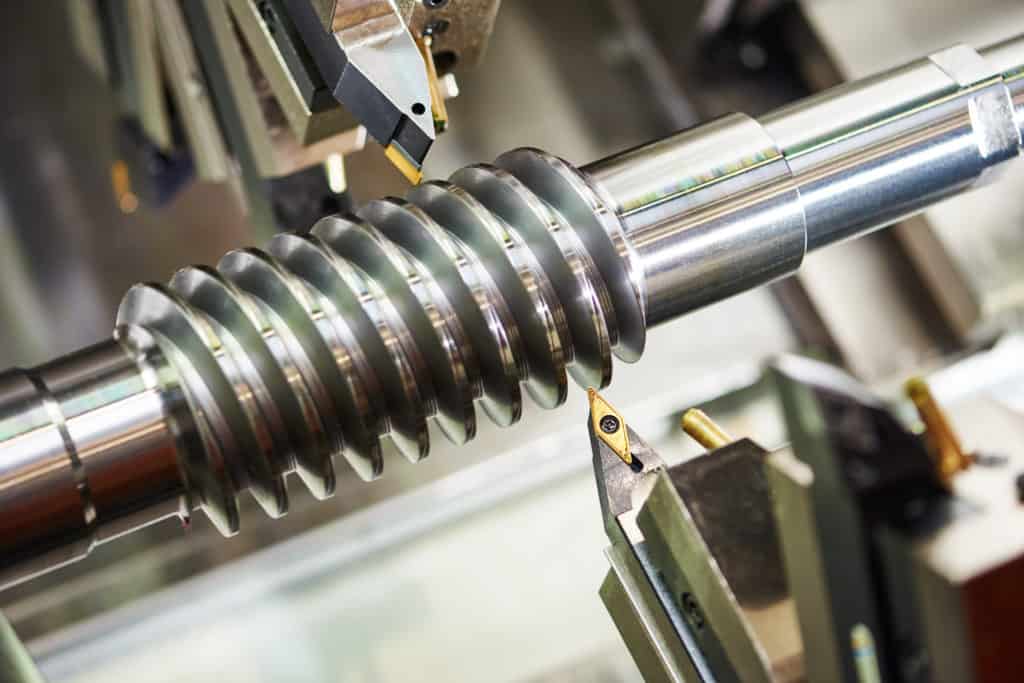
In manufacturing and machining, lathe-cutting tools hold a position of paramount importance. These tools, used in lathe operations, play a crucial role in shaping, cutting, and finishing materials, thereby enabling the creation of a wide array of products we use daily. Table of Contents What are Lathe Cutting Tools? Lathe-cutting tools are specialized tools designed […]
What are Snap Fit Joints?

The snap-fit joint stands out for its simplicity yet profound impact on product assembly and manufacturing. These cleverly designed components have revolutionized how we assemble and disassemble products, making the process quicker, more efficient, and often tool-free. From the pen caps, we casually click to the complex assemblies in electronics, snap-fit joints are ubiquitous, silently playing their part in holding our world together.

