
Selecting the right gear type early in product development prevents costly noise issues later. With extensive experience machining precision gears for audio equipment, medical devices, and industrial products, gear noise characteristics directly impact user acceptance and regulatory compliance.
High Contact Ratio Helical Gears are the quietest option, operating 10 dB quieter than standard spur gears at 80-85 dBA. Standard Helical Gears follow at 85-95 dBA, while Non-involute Spur Gears are the noisiest at >85-95 dBA due to poor contact and increased vibration.
Discover gear designs that reduce noise, balance cost and performance, and learn what specs to include in your custom manufacturing drawings.
Table of Contents
Why Can a Gear Work Correctly and Still Be Noisy?
A gear can work correctly and still be noisy because transmitting power and producing noise are not the same thing. A gear may successfully deliver the required speed, torque, and service life while still generating sound that users notice during operation.
One reason is that different gear types engage differently. Some gear designs transfer load more smoothly than others, which naturally affects how much vibration and noise they create. This is why two gear systems can achieve the same performance goals while producing very different noise levels.
This situation is more common than many teams expect. A prototype may pass performance testing, run reliably, and show no signs of excessive wear. Yet during product reviews, customer trials, or production builds, the noise becomes a concern. The gear is doing its job, but the product still sounds louder than expected.
When manufacturers investigate these projects, the cause usually falls into one of three areas:
- The gear design itself creates more noise. For example, spur gears typically generate more noticeable noise than helical gears because the teeth engage more abruptly.
- The surrounding system amplifies the noise. Shafts, bearings, housings, and covers can act like speakers, making a small vibration sound much louder.
- Assembly variation increases the noise. Small differences in alignment, backlash, or bearing setup can make otherwise acceptable gears sound very different from one unit to another.
This distinction matters because many teams immediately start redesigning the gear. Experienced manufacturers usually identify which of these three areas is responsible before recommending major design changes. A noisy gear is not automatically a bad gear, and replacing it with a different gear type does not always solve the problem.
Before changing materials, tightening tolerances, or switching suppliers, first determine whether the noise comes from the gear design, the surrounding structure, or the assembly process. That step often prevents unnecessary redesigns and helps identify the fastest path to quieter operation.
Why Do Quiet Gear Projects Often End Up Using Helical Gears?
Quiet gear projects often end up using helical gears because changing the gear architecture usually reduces more noise than making small adjustments to materials, tolerances, or lubrication.
Manufacturers see the same pattern repeatedly. A design meets torque, speed, and durability requirements, but noise becomes a concern during product reviews, customer evaluations, or final testing. Teams then look for changes that can deliver a meaningful noise reduction without redesigning the entire system.
This is where helical gears often enter the discussion. Compared with spur gears, helical gears generally create less vibration during tooth engagement, making them one of the most common solutions when noise becomes a priority.
That does not mean every noisy gearbox should use helical gears. Many successful products continue using spur gears because noise is not a critical requirement. However, when multiple suppliers independently recommend helical gears, it is often a sign that they believe the gear architecture itself is contributing to the noise.
The key takeaway is simple: when noise becomes a design requirement rather than a minor annoyance, manufacturers often look at gear architecture first because it typically delivers a larger improvement than small process adjustments.
Not Sure If Helical Gears Will Actually Reduce Noise?
We’ll tell you whether the gear design is likely causing the noise—and whether switching to helical gears is worth investigating.
When Does Switching From Spur to Helical Actually Make Sense?
Switching from spur to helical gears makes sense when the expected noise reduction justifies the additional cost and design complexity.
Experienced manufacturers usually look for three signs before recommending the change:
- Noise is affecting approvals, customer acceptance, or product quality perception.
- Multiple investigations point to gear engagement as a major source of the noise.
- Housing, bearing, alignment, and assembly issues have already been reviewed.
If these conditions are present, helical gears often provide a practical path to quieter operation. If they are not, changing gear types may solve very little while adding unnecessary cost.
This distinction is important because many teams assume that a noisy product automatically requires quieter gears. In practice, noise can also be amplified by surrounding components or assembly variation. Switching gear types before identifying the root cause often leads to expensive redesigns with disappointing results.
There are trade-offs as well. Helical gears generate axial forces that must be supported by bearings and surrounding components. Manufacturing complexity may also increase depending on the design requirements.
The decision is not whether helical gears are quieter. In most applications, they are. The real decision is whether the gear itself is responsible for enough of the noise to justify the change.
When Is High Contact Ratio Worth the Extra Manufacturing Effort?
High contact ratio gears are worth the extra manufacturing effort when standard gear designs are no longer meeting noise expectations. In most projects, switching from spur to helical gears provides enough improvement. High contact ratio designs usually become relevant only after those options have already been explored.
A pattern manufacturers often see is that teams continue chasing noise reductions after the gearbox is already functioning correctly. The product meets durability, torque, and speed requirements, but customer expectations keep moving higher. In these situations, small improvements to manufacturing quality often produce diminishing returns, which is why engineers start looking at more advanced gear geometries.
The benefit of high contact ratio gears is that more teeth share the load during operation. This helps reduce vibration and creates smoother power transfer. However, the improvement is not free. Gear geometry becomes more demanding, manufacturing consistency becomes more important, and inspection requirements often increase.
Many teams assume that quieter gears are automatically better gears. Manufacturers often reach a different conclusion. If the existing design already satisfies customers and product requirements, the additional complexity may create little practical value. The strongest justification usually appears when noise is affecting approvals, customer acceptance, or product competitiveness.
Before approving the additional manufacturing effort, ask a simple question: What happens if the noise stays exactly where it is today? If the answer creates business risk, the investment may be worthwhile. If not, a standard gear design is often the better choice.
Why Do Suppliers Treat Low-Noise Gear Projects Differently?
Suppliers treat low-noise gear projects differently because the risk is different. A gear can meet every requirement on the drawing and still disappoint customers if the final product sounds louder than expected.
A pattern manufacturers frequently see is that buyers describe a project as “low noise” without defining how noise will be measured. Different suppliers then make different assumptions. One supplier may assume general noise reduction is acceptable, while another assumes a strict acoustic target must be achieved. This is one reason identical drawings can receive very different feedback during quoting.
As a result, experienced suppliers usually ask more questions. They may request operating speeds, load conditions, testing methods, or acceptable noise levels. These questions are not necessarily signs of difficulty. In many cases, they indicate that the supplier is trying to understand the requirement before committing to it.
Many teams assume that the supplier asking the fewest questions is the easiest supplier to work with. Manufacturers often see the opposite outcome. Projects that receive little technical review early on are more likely to encounter misunderstandings later.
The important signal is not whether a supplier becomes cautious. The important signal is whether they can clearly explain what risks they are evaluating. Suppliers who investigate noise requirements are often trying to prevent future problems rather than create obstacles.
Getting Different Recommendations From Different Suppliers?
Upload your drawing and noise requirements.
We’ll highlight the areas most likely driving supplier concerns and explain what we’d investigate first.
Why Do Noise Requirements Increase Gear Costs So Quickly?
Noise requirements often increase gear costs quickly because suppliers are no longer pricing only the gear. They are pricing the effort required to achieve a specific noise outcome with confidence.
A pattern manufacturers regularly see is that a drawing receives one price initially and a significantly higher price after noise requirements are added. Buyers sometimes assume the supplier is simply increasing margins. In reality, the conversation has often changed from manufacturing a gear to managing a performance risk.
The additional cost is usually tied to activities that reduce uncertainty. Suppliers may spend more time reviewing the design, producing prototypes, performing additional inspections, or tightening process controls. The goal is not simply to make the gear. The goal is to reduce the chance of noise-related surprises later in the project.
That does not mean every price increase is justified. Experienced suppliers should be able to explain where the additional cost comes from. A common red flag is a significant increase with little explanation. A stronger response is one that clearly links the increase to validation work, inspection requirements, process controls, or other identifiable activities.
Many teams focus only on the size of the increase. Manufacturers often focus on something different: whether the extra cost is reducing a known risk. Understanding that difference makes it easier to judge whether a higher quote is solving a real problem or simply adding unnecessary expense.
Why Doesn't Switching Gear Types Always Solve Noise Problems?
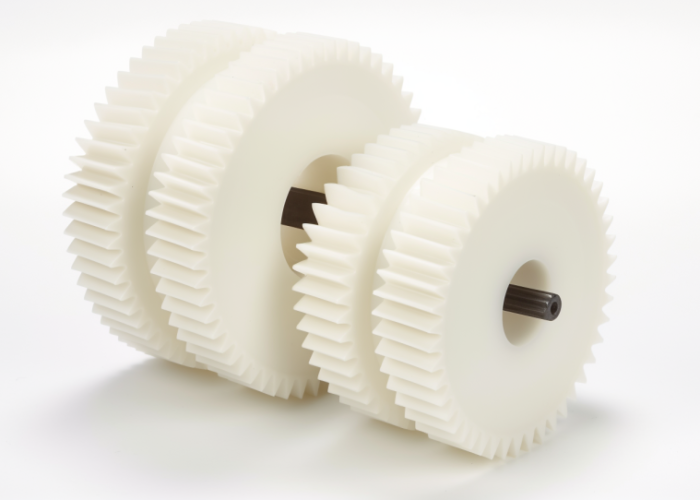
Switching gear types does not always solve noise problems because the gear is not always the main source of the noise. In many projects, changing from spur to helical gears reduces vibration, but the overall product remains louder than expected.
A pattern manufacturers frequently see is that teams focus on the gear first because it is the most visible moving component in the system. Once noise becomes a concern, the discussion quickly turns to gear materials, tooth geometry, or gear type selection. However, many investigations eventually reveal that the noise is being amplified elsewhere.
One common misconception is that a quieter gear automatically creates a quieter product. In reality, housings, shafts, bearings, mounting structures, and assembly variation can all influence how much sound reaches the user. A gear change may reduce the source of the vibration while having only a limited impact on what people actually hear.
This is why experienced manufacturers rarely recommend major gear changes before understanding where the noise originates. We often see projects spend significant time and money redesigning gears only to discover that housing resonance, alignment issues, or assembly variation were responsible for most of the problem.
The most effective noise reduction projects usually begin with diagnosis rather than redesign. The goal is to identify whether the noise is coming from gear engagement, system amplification, or assembly-related factors before committing to major changes.
Before approving a gear redesign, ask a simple question: If the gear is replaced tomorrow, what evidence suggests the noise will disappear? The stronger the evidence, the more confidence you can have in the decision. The weaker the evidence, the more valuable additional investigation becomes.
Unsure Whether the Higher Quote Is Justified?
Send us your drawing and the supplier’s feedback.
We’ll identify which requirements are likely increasing cost and whether they’re likely to reduce noise.
Conclusion
The quietest gear is not always the best gear. In many projects, noise is influenced by gear architecture, surrounding components, assembly conditions, and customer expectations. The safest decisions come from understanding where the noise originates before investing in redesigns or tighter specifications.
If you’re evaluating a gear design and unsure which changes will actually reduce noise, send us your drawing. We’ll review the design and highlight the most likely sources of noise before you commit to manufacturing changes.
Frequently Asked Questions
High Contact Ratio Helical gears operating at 80-85 dBA meet hospital noise requirements. They’re essential for medical pumps, imaging equipment, and surgical instruments where noise affects patient comfort and regulatory compliance.
Include target noise levels (dBA), operating speed, load requirements, and environmental conditions. Specify acceptable tolerance ranges and surface finish requirements to ensure manufacturers can quote appropriate gear types.
Consistent tolerances, surface finish quality, and proper setup procedures directly impact noise performance. Work with manufacturers who maintain ISO-compliant quality control for predictable results.
Choose high contact ratio when you need maximum smoothness and noise below 85 dBA. Standard designs work well for most applications where moderate noise reduction and cost control are priorities.
Helical gears typically provide 5-10 dB noise reduction compared to spur gears. This translates to noticeably quieter operation that often eliminates user complaints in noise-sensitive applications.
Helical gears typically cost 20-30% more than spur gears due to angled tooth geometry requiring specialized tooling and setup. This premium often justifies itself through reduced noise complaints and warranty issues.