
How Do Metal Coatings Affect Part Fit?

Designing precision parts that still assemble correctly after coating is a common challenge for product developers. At Okdor, we’ve seen perfectly machined prototypes fail assembly when anodizing, plating, or powder coating adds unexpected thickness to critical surfaces. Coating thickness typically ranges from 5-100+ microns, which can easily turn your ±0.05mm clearance into an interference fit. […]
Do I Need to Finish My Brass Part to Prevent Tarnish?
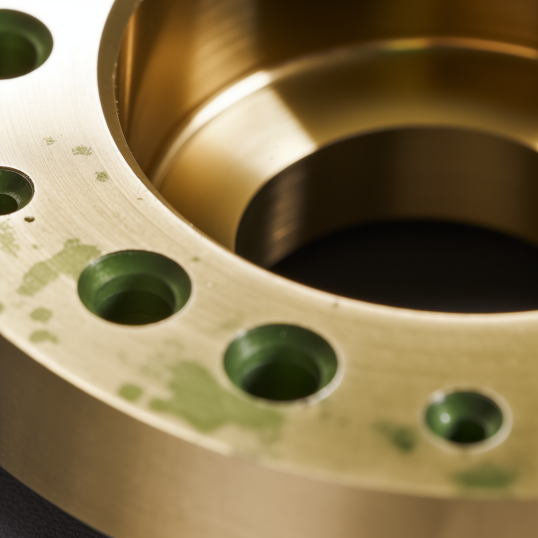
Brass offers excellent machinability and corrosion resistance for precision components across audio, medical, and industrial applications. However, unfinished brass develops natural tarnish over time, creating uncertainty about whether surface treatment is necessary. Most brass parts don’t require finishing to prevent tarnish unless appearance is critical or parts face harsh environments. Raw brass tarnish is purely […]
What’s the Minimum Wall Thickness for Countersinks?
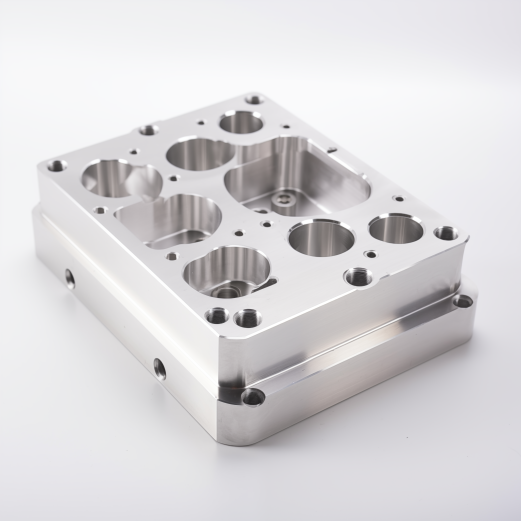
Designing countersinks isn’t just about screw clearance — it’s about ensuring your part won’t crack, deform, or fail during assembly. With years of experience machining precision components for aerospace, medical, and audio applications, we’ve learned that wall thickness around countersinks often determines whether a design succeeds or requires costly redesigns. For aluminum parts, maintain at […]
Machining Chatter: Understanding and Solutions

Machining chatter, caused by vibrations between the tool and workpiece, leads to poor surface finish and tool damage. Overcoming it involves adjusting cutting speeds, tool design, work holding methods, and machining strategies. Curious about the specifics of machining chatter and how to effectively eliminate it? Explore our comprehensive guide covering causes, consequences, and a range […]
What are the methods of pipe bending?
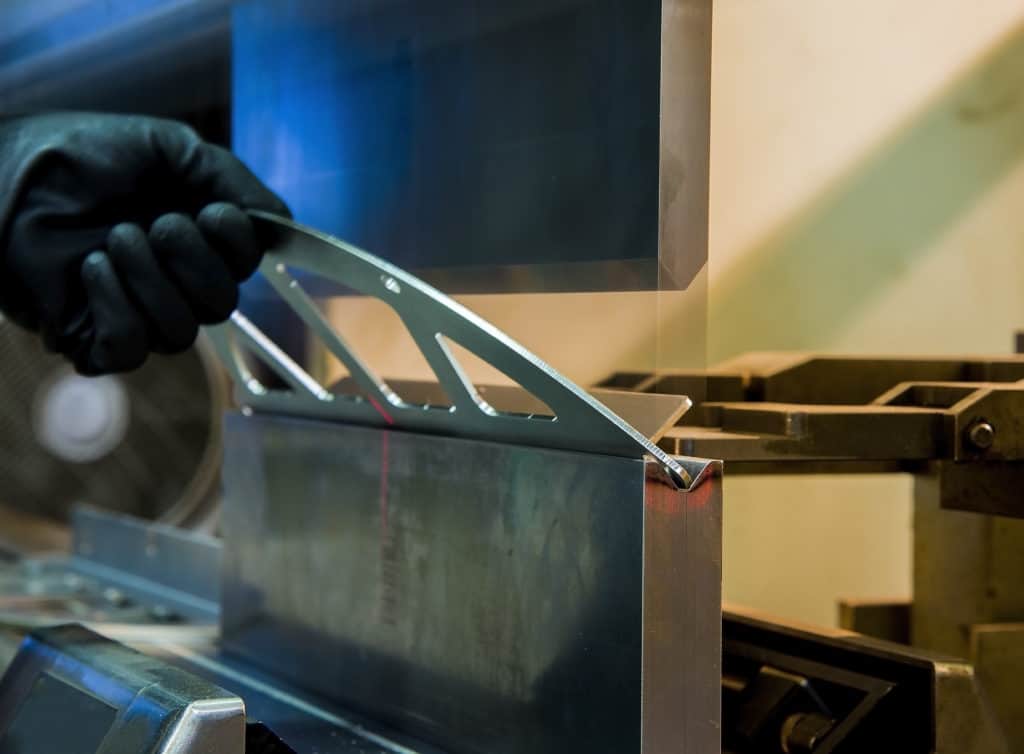
Designing parts with curved pipe structures requires understanding which bending methods can achieve your geometry without kinking or dimensional drift. With over 15 years of precision fabrication experience across aerospace, medical, and industrial applications, we’ve guided engineers through pipe bending method selection for complex assemblies. The main pipe bending methods include mandrel bending, rotary draw […]
Should you pick aluminum or stainless steel for Custom Components?
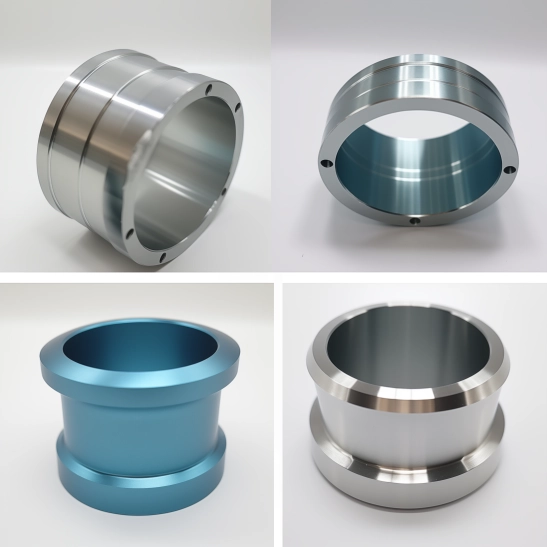
Choosing between aluminum and stainless steel affects both part performance and machining costs. With 15+ years machining precision components, we’ve seen how material selection impacts tolerances, lead times, and total project budgets. Small material decisions often have big manufacturing consequences. 6061-T6 aluminum works for 80% of custom components and costs significantly less to machine than […]
7 Proven Ways to Strengthen Your Sheet Metal Parts
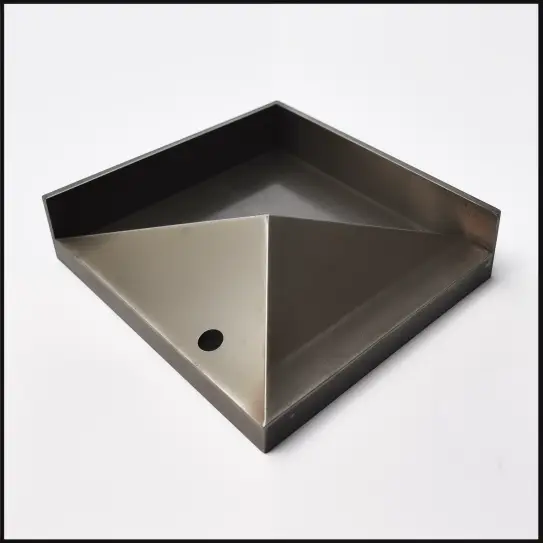
Sheet metal parts often fail not because of poor material choice, but because engineers miss simple strengthening opportunities during design. Through decades of fabricating precision components for aerospace, medical, and industrial applications, we’ve learned that the most effective strengthening combines smart geometry with appropriate materials rather than expensive alloy upgrades alone. Bending, ribbing, flanging, material […]
What Hardness Level Can CNC Machines Handle Without Issues?

Product developers often over-specify material hardness, driving up CNC costs without functional benefit. With experience machining aerospace and medical parts, we know exactly where performance meets manufacturing reality. HRC 40 is the practical limit for standard CNC tooling, while HRC 50+ requires specialized setups that double machining time and cost. Learn the real hardness thresholds […]
Why Is My End Mill Machining So Expensive?
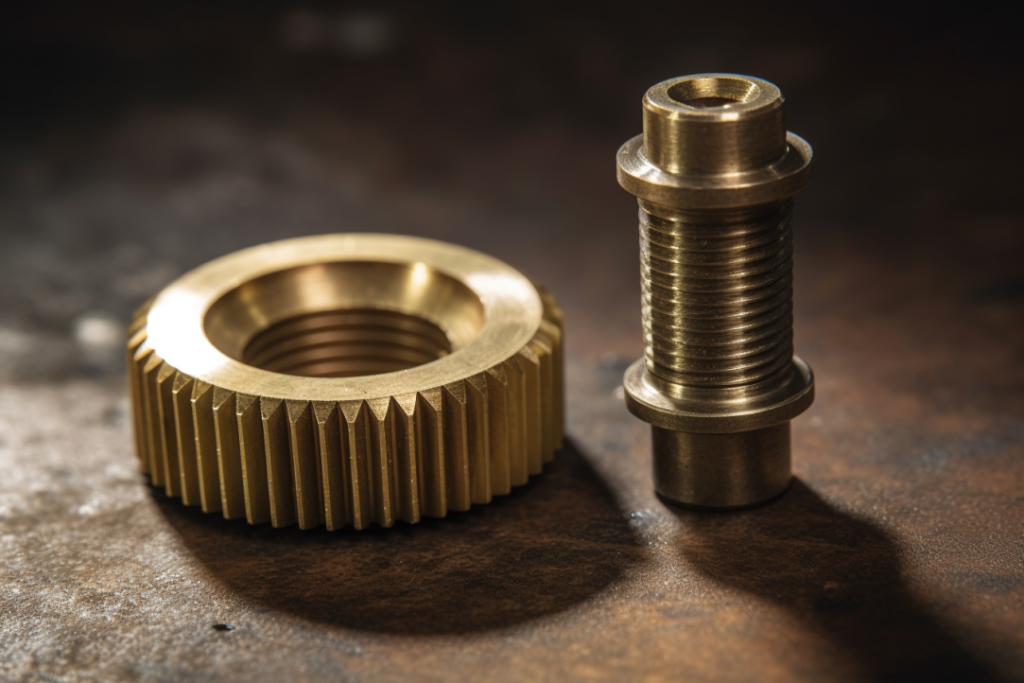
Getting shocked by end mill machining quotes? You’re not alone. After years of machining custom parts for product developers across aerospace, audio, and medical sectors, we’ve seen the same costly design mistakes repeated – turning simple parts into budget nightmares. Most expensive end mill quotes stem from seven design issues: sharp internal corners requiring special […]
Does Vibration Help Cutting?

Does Vibration Really Help in Cutting? Yes, it does. Vibration cutting isn’t just a buzzword; it’s a game-changer in the machining world. Enter vibration cutting. This isn’t just a trend—it’s a revolution in machine tools. By introducing controlled vibrations, we’re enhancing the cutting tool‘s efficiency and redefining precision in the machining process. Table of Contents […]

