
What Info Do CNC Shops Need to Quote Fast?
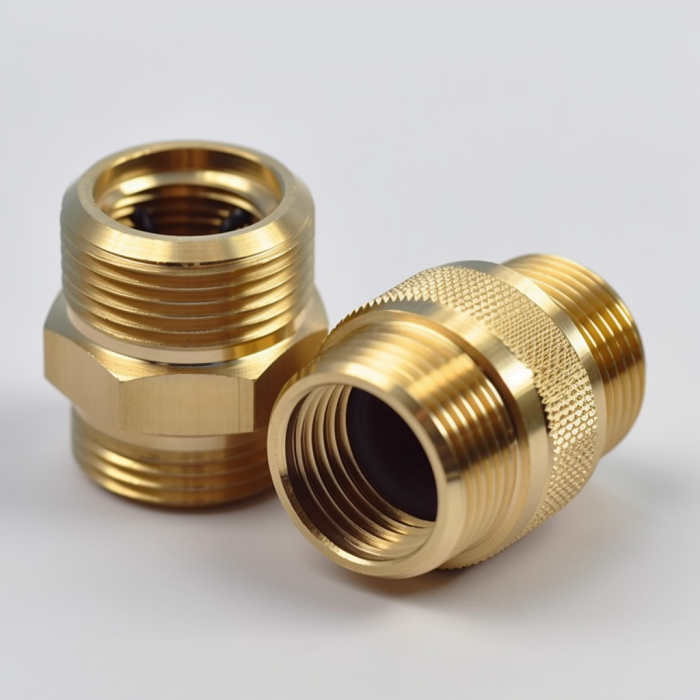
You send a clean drawing, expect a quick quote, and wait days. It’s not because your part is difficult — it’s because the shop doesn’t have enough to price it confidently. CNC shops need complete RFQ data: material grade, quantity, tolerances, surface finish, and delivery deadline. When any of these are missing, estimators pause your […]
Why Does “Free of Burrs” Cause Rejections?
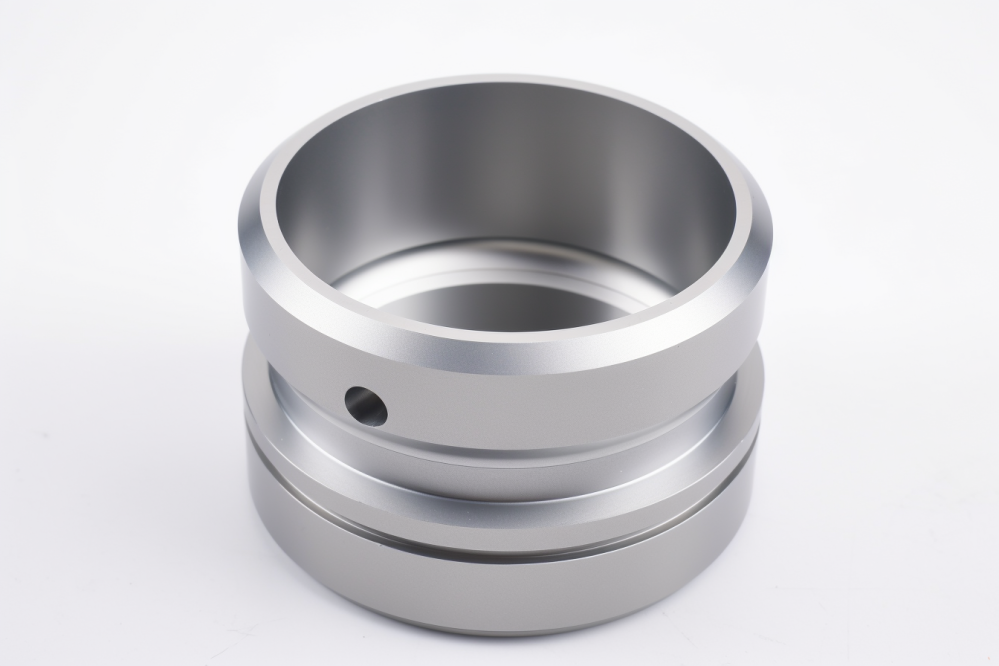
Your drawing says “Free of burrs” — and suddenly, suppliers start rejecting it or delaying quotes. What should’ve been a simple surface note turns into three extra days of silence or inflated pricing. “Free of burrs” causes rejections because it has no measurable definition. Most shops see it as unlimited manual rework risk — extra […]
What Tolerances Should I Really Use for CNC Parts?
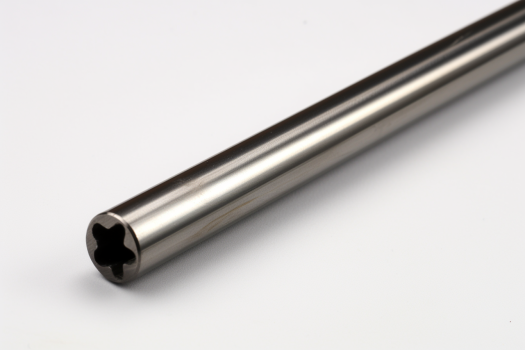
Your supplier’s quote doubled—and all you changed were a few tighter tolerances. This happens constantly: engineers apply tight limits everywhere to “be safe,” and shops respond with inflated pricing or quiet rejections. Use tight tolerances only where fit, function, or alignment require them. For most CNC parts, ±0.05 mm is standard, while ±0.01 mm should […]
Why Does Paint Peel Off Anodized Aluminum?
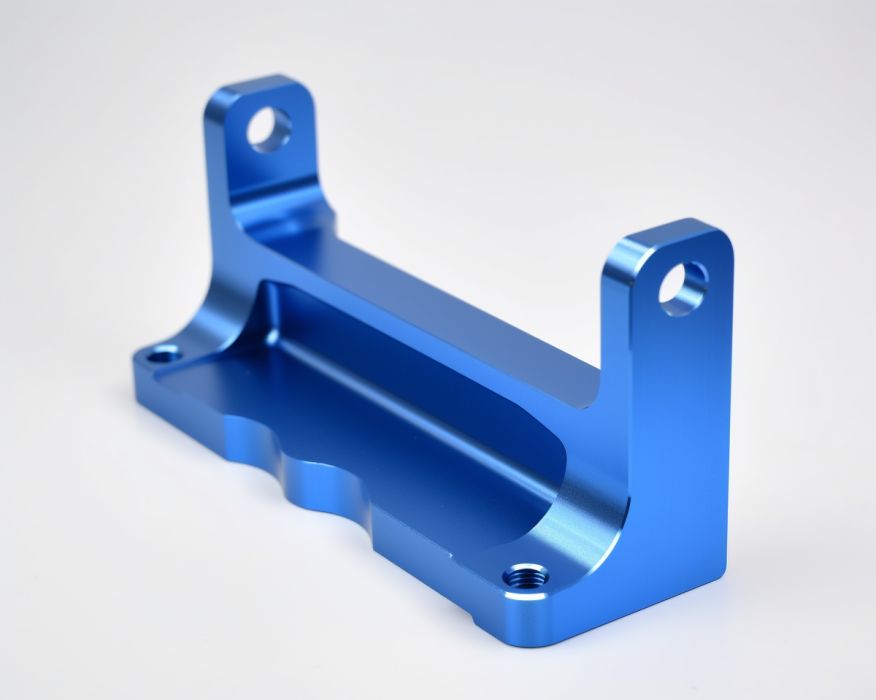
Paint peeling off anodized aluminum isn’t a minor cosmetic issue — it’s a supplier process-control failure that exposes poor coordination between anodizing and painting. If your coating lifts or flakes within months, the problem began long before the first layer of paint was sprayed. Paint peels off anodized aluminum when the oxide layer is sealed […]
Why Do Parts That Work as Prototypes Fail in Production?

Your prototype fit perfectly, passed tests, and looked production-ready—until full runs started failing inspection. Suppliers blame “design drift,” but nothing changed on your drawing. Parts that work as prototypes often fail in production because prototype shops hand-adjust fits, skip full inspection, or rely on material lots that never repeat in volume runs. Once the process […]
Are High CNC Quotes a Polite “No”?

You send your drawing out for quotes, and one shop replies with a number that’s triple the others. Another says “too difficult,” and one just goes quiet. It’s frustrating—and familiar. In sourcing, a high quote often isn’t about cost at all—it’s a supplier’s polite way of saying “no.” Yes — in many cases, an unusually […]
Are My Title-Block Tolerances Scaring Off Good Shops?
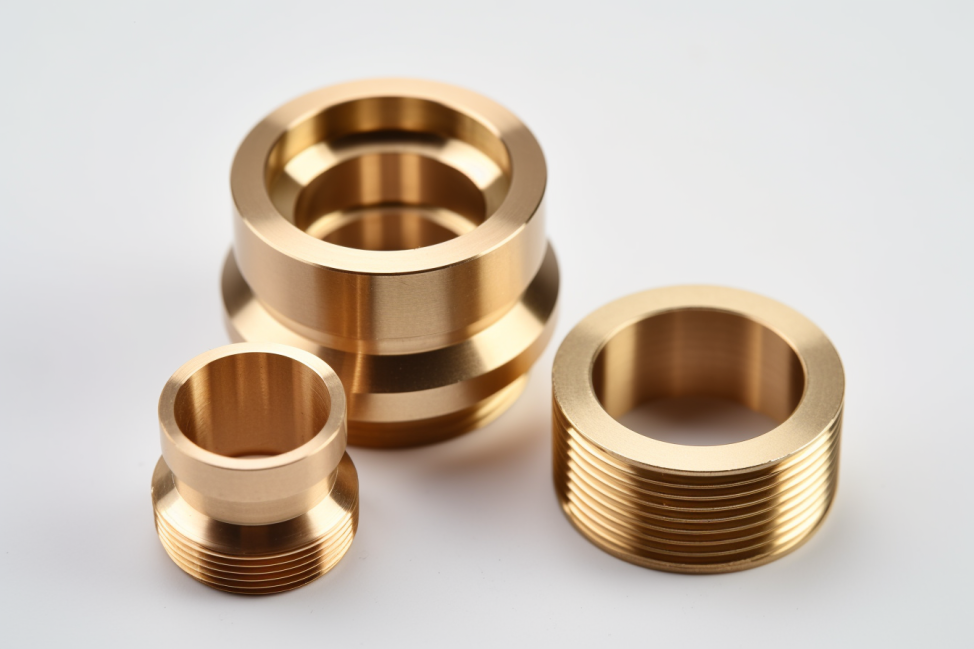
You send a drawing out for quotes and hear nothing back. No reply, no numbers—just silence. It’s not your design that’s scaring shops off; it’s how your title-block tolerances look to them. Most quoting delays happen because tight default tolerances make ordinary parts appear high-risk. Shops assume costly setups and inspection time, even when only […]
Why CNC Quotes Vary — and How to Keep Pricing Consistent?
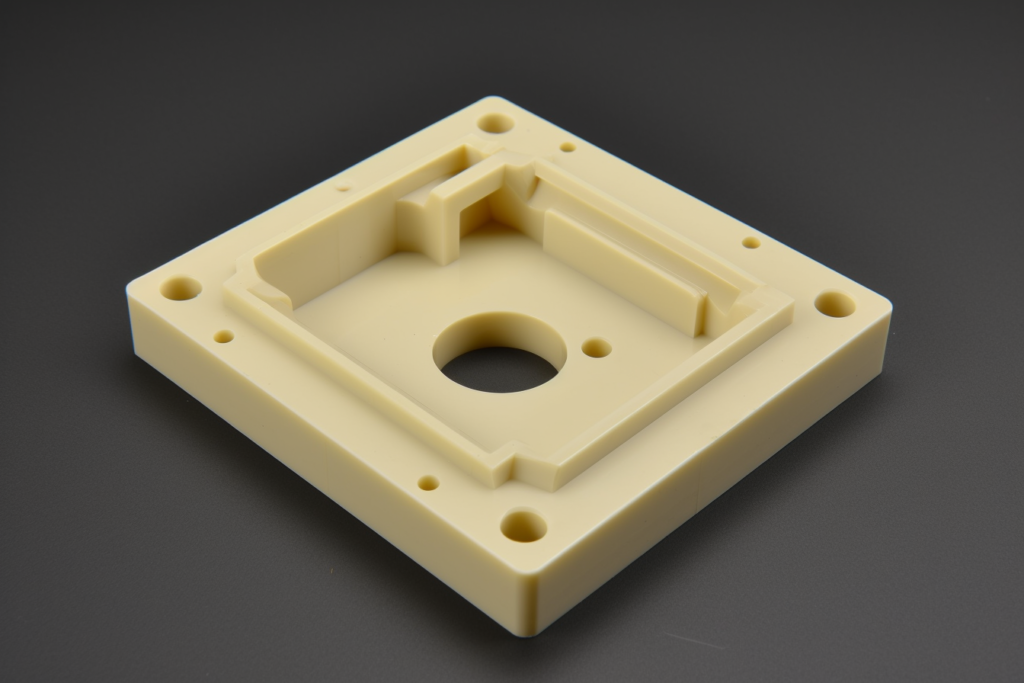
You send one drawing to three shops and get $150, $260, and $400 quotes for the same part. Under deadline, that inconsistency blocks approvals and kills confidence. CNC quotes vary because every shop prices its own risk, not your design. Setup time, tolerance control, and inspection capability drive the spread more than geometry itself. Ahead, […]
Why Do Coated Threads Stop Fitting After Anodizing?
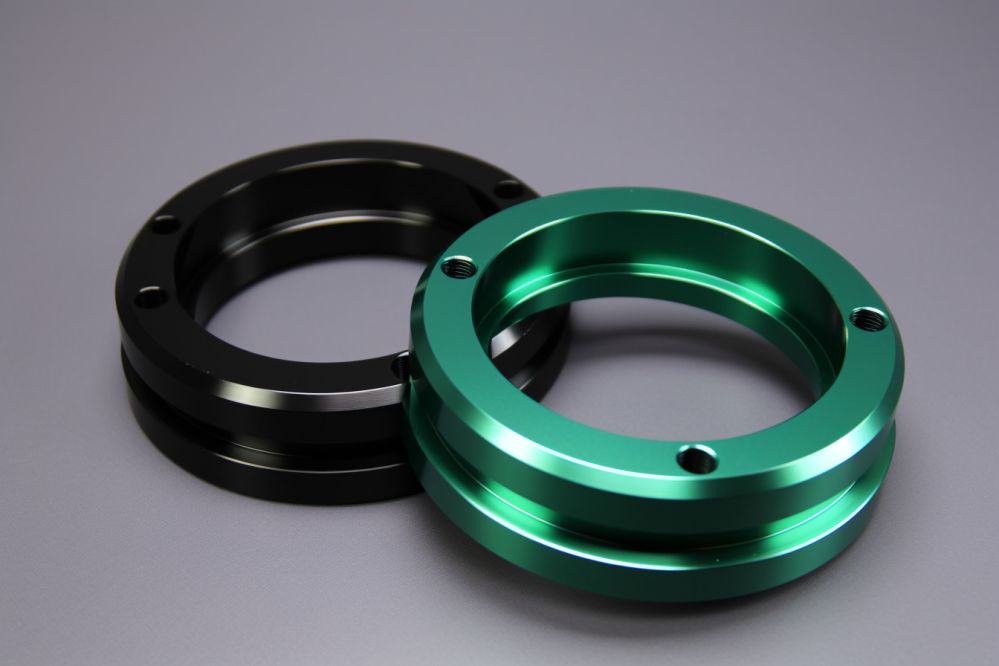
Your threads fit before anodizing — but seize once parts come back from coating. The supplier blames “design tolerance,” you lose days re-tapping or scrapping parts. In reality, most of these failures happen because the shop didn’t plan for coating thickness or skipped masking entirely. Anodizing adds 0.002–0.005 mm per side, enough to close class-2 […]
Why Shop No-Quote Deep Cavities or Narrow Pockets?
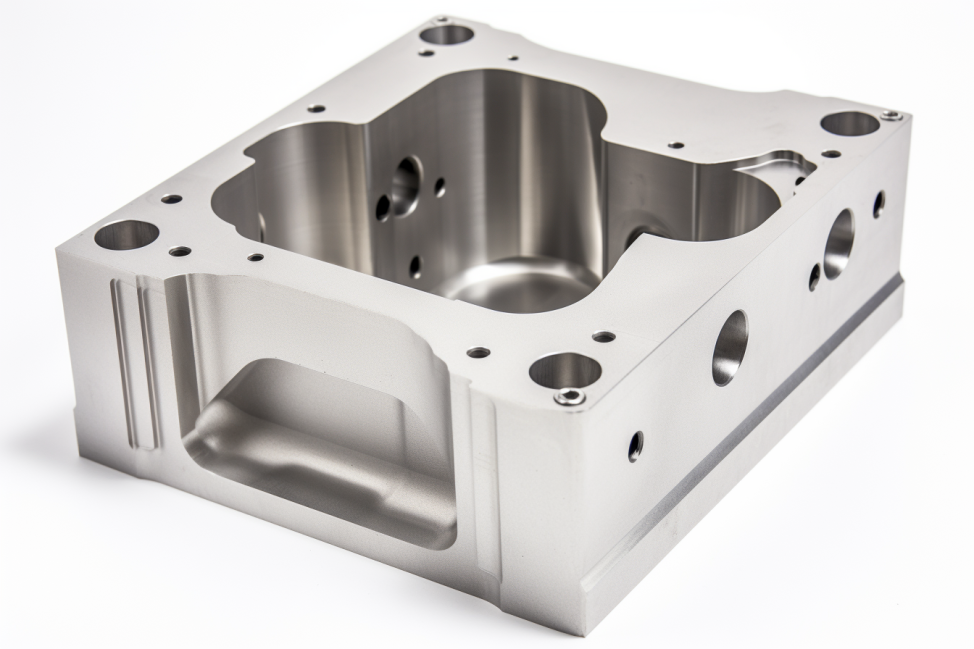
You send out your deep-pocket drawing and get silence—or a quote three times higher than expected. It’s rarely your design at fault. Most shops avoid deep cavities and narrow pockets because they lack the tooling reach, rigidity, or setup experience to cut them profitably. “No-quotes” usually come from tool deflection risk, chatter, and time-consuming setups, […]

