
11 Post-Processing Steps to Smooth Sheet Metal Surfaces
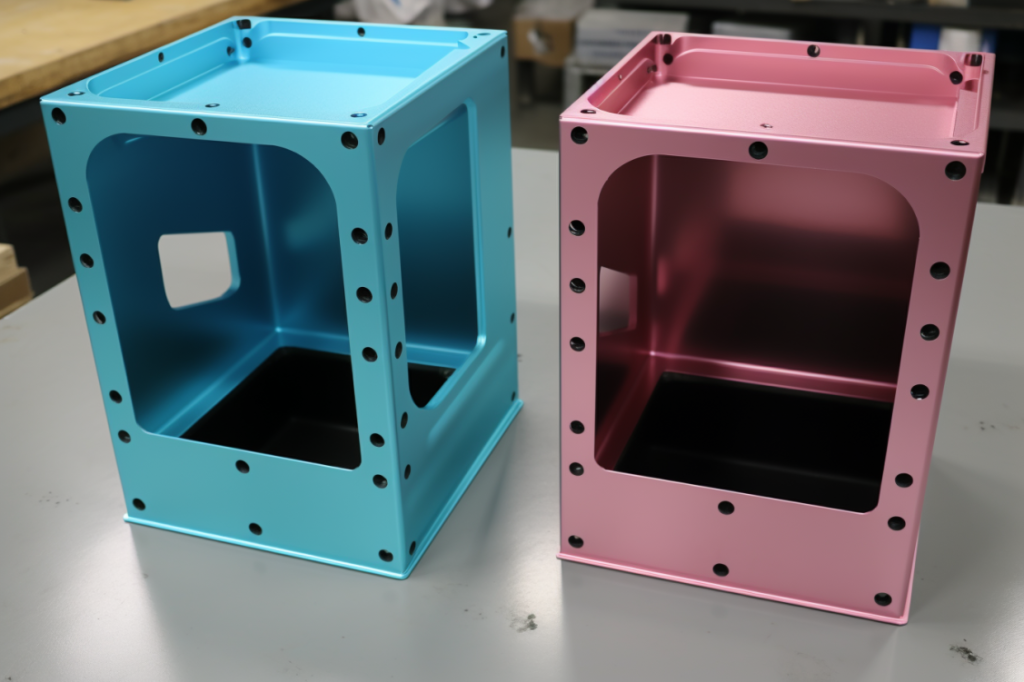
Surface finishing is a crucial step in sheet metal fabrication that can make or break your final product’s quality. Whether you’re manufacturing precision components or aesthetic parts, achieving the right surface smoothness isn’t just about looks – it’s about functionality, durability, and performance. Post-processing sheet metal surfaces involves four main categories of techniques: mechanical finishing […]
how to Improve Sheet Metal Surface Quality Without Extra Steps
Achieving superior sheet metal surface quality without costly secondary operations remains a persistent challenge for product developers. Through decades of precision fabrication for aerospace, medical, and industrial applications, Okdor has identified critical decisions during design and material selection that dramatically reduce both cost and lead time. Improve sheet metal surface quality without extra steps by […]
Which Material Factors Decide Between Welding and Riveting?

Choosing between welding and riveting depends on how your material responds to heat, stress, and assembly loads. From fabricating industrial enclosures to precision audio chassis, material properties determine which joining method delivers better strength, tolerances, and cost efficiency. Material thickness, thermal sensitivity, and corrosion compatibility determine whether welding or riveting works better. Aluminum under 3mm […]
5 Strategies for Managing Custom Fabrication Inventory Risks
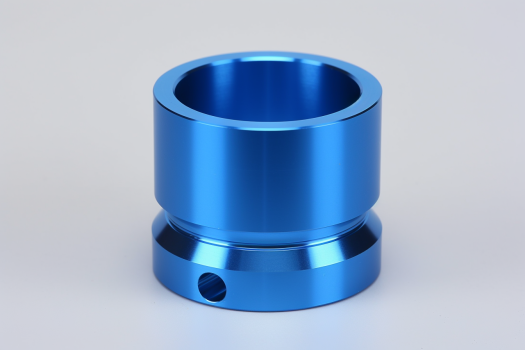
With rising material costs and unpredictable supply chains, partnering effectively with custom fabricators isn’t just beneficial—it’s crucial for survival. Whether you’re managing small production runs or large-scale manufacturing operations, the right inventory management strategy can make or break your bottom line. To effectively manage inventory risks in custom fabrication, focus on five key areas: establishing […]
What Design Changes Can Reduce Sheet Metal Fabrication Costs?
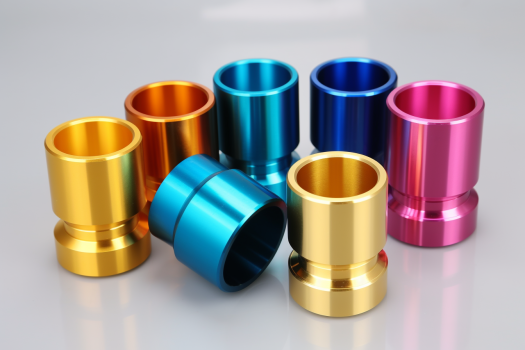
Designing for cost-effective sheet metal fabrication means understanding how every design decision impacts setup time, material waste, and manufacturing complexity. From our experience producing precision audio faceplates to industrial enclosures, small adjustments can dramatically reduce fabrication costs without compromising functionality. Material selection, thickness optimization, bend radius adjustments, simplified geometries, and relaxed tolerances are the most […]
8 Critical DFM Challenges in Sheet Metal Fabrication
Sheet metal fabrication offers cost-effective solutions for enclosures, brackets, and structural components, but poor DFM decisions can lead to cracked parts, dimensional issues, and budget overruns. With over 15 years of sheet metal fabrication experience across aerospace, medical, and industrial applications, we’ve seen how small design adjustments can dramatically improve both manufacturability and cost-effectiveness. The […]
7 Key DFM Tips to Optimize Your Sheet Metal Fabrication Project
Sheet metal fabrication isn’t just about getting parts made — it’s about designing parts that perform reliably while staying within budget. With experience fabricating enclosures, brackets, and chassis for audio, medical, and industrial equipment, small design adjustments during CAD can prevent expensive redesigns and production delays. Seven key DFM optimizations can dramatically improve your sheet […]
How to optimize stainless design for laser cutting?

Stainless steel laser cutting isn’t just about material selection — it’s about designing geometry that minimizes cost without sacrificing edge quality or dimensional accuracy. With experience fabricating precision stainless components for aerospace, medical, and audio applications, small design adjustments often deliver dramatic improvements in both manufacturability and price. Optimize stainless steel designs by selecting appropriate […]
How to Design Sheet Metal Parts for Clean Laser Cut Edges?

Designing for laser cutting means achieving burr-free edges without secondary finishing. With experience in precision components, proper material and feature sizing prevents costly deburring operations. 6061 aluminum (1-6mm), 304 stainless steel (1-8mm), and mild steel (1-10mm) produce the cleanest laser cut edges without deburring. Maintain hole spacing ≥1.5x material thickness, avoid slots narrower than material […]
What Should I Ask Before Finalizing My Metal Bracket Design?

Designing metal brackets requires validating both structural performance and manufacturing feasibility before production. With experience across aerospace, industrial, and medical bracket applications, asking the right questions upfront prevents costly redesigns and production delays. Ask these 8 critical questions: load capacity validation, structural reinforcement needs, cost optimization, coating compatibility, material alternatives, design improvements, prototyping, and lead […]

