
What is GA thickness?
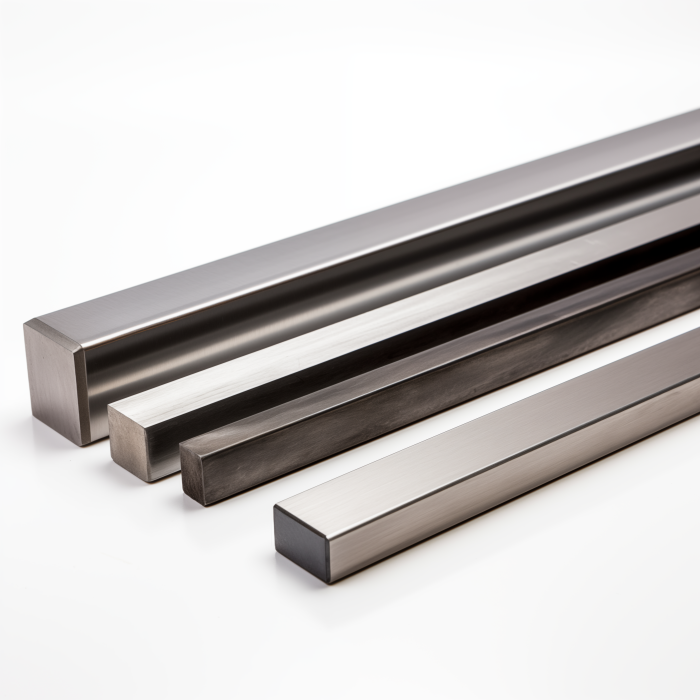
Are you wondering what ‘GA’ stands for in material measurements and how it affects your projects? This guide will explain GA thickness, ensuring you have all the information to utilize it effectively. GA thickness, or Gauge thickness, refers to a standardized measurement of sheet metal thickness. The lower the Gauge number, the thicker the metal. […]
Should You Specify Stick Welding for Aluminum Parts?

Product developers often face a critical decision when designing aluminum assemblies: which welding method will deliver the strength, precision, and cost-effectiveness their project demands. While TIG welding dominates aluminum fabrication discussions, stick welding (SMAW) remains a viable option for specific applications — though many engineers aren’t sure when it makes sense. Stick welding works best […]
Can Bend-Resistant Materials Be Formed Without Cracking?
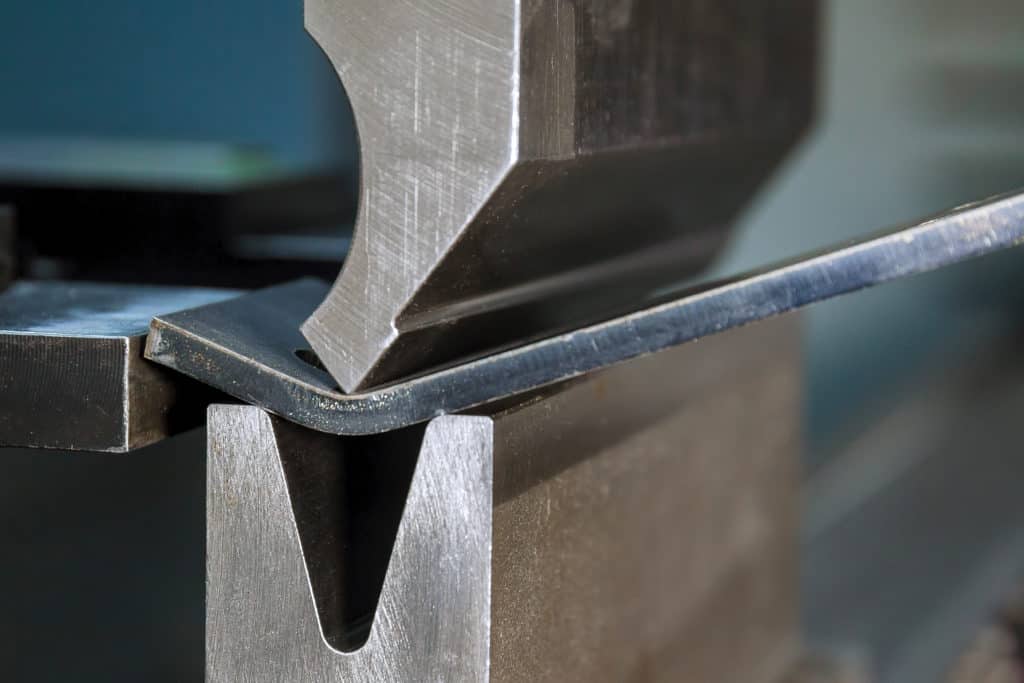
Designing with bend-resistant materials isn’t just about strength — it’s about preventing cracking during forming. With experience fabricating high-strength components for aerospace and medical applications, small process adjustments can make the difference between successful parts and costly failures. Most bend-resistant materials can be formed without cracking using proper techniques like increased bend radii, progressive forming, […]
Should You Use MIG or TIG Welding for Your Stainless Steel Project?

Choosing between MIG and TIG for stainless steel affects both precision and cost. With experience across medical and aerospace fabrication, small process changes create big performance differences. TIG welding is preferred for stainless steel due to superior heat control and corrosion resistance. MIG welding offers faster speeds and lower costs for thicker materials where appearance […]
Why is Tolerance Important in Sheet Metal Fabrication?

Getting tolerances right in sheet metal fabrication prevents costly assembly failures and manufacturing delays. With decades of experience fabricating enclosures, brackets, and chassis for aerospace, medical, and industrial applications, small tolerance adjustments can dramatically improve both fit and cost-effectiveness. Tolerances in sheet metal work differently than machined parts. Bending introduces stress, forming creates springback, and […]
How to Reduce Metal Enclosure Manufacturing Costs?
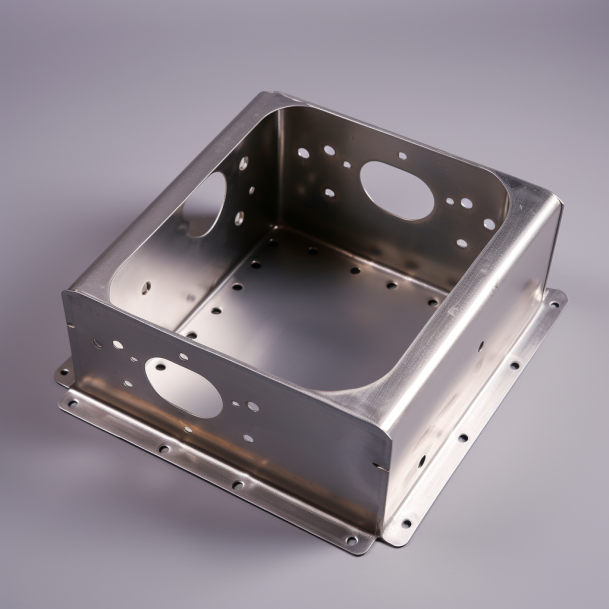
Manufacturing metal enclosures efficiently requires balancing material costs, fabrication complexity, and design requirements. With years of experience producing enclosures for electronics, industrial, and aerospace applications, small design adjustments can dramatically reduce production costs without sacrificing functionality. Material selection, bend optimization, and smart tolerance specification can reduce metal enclosure costs by 20-40% compared to over-engineered designs. […]
When Does Laser Cutting Aluminum Make Sense?

Choosing the right fabrication process for aluminum components isn’t just about capability—it’s about balancing precision, cost, and lead time without compromising part quality. With extensive experience manufacturing precision aluminum parts, we’ve seen how the wrong process selection can lead to warped parts, excessive finishing costs, or missed delivery dates. Laser cutting aluminum works best for […]
What is Sheet Metal Fabrication Prototyping?

Sheet metal fabrication prototyping is a critical process in manufacturing used to test and validate designs before full-scale production, which is vital in industries like aerospace, automotive, and medical equipment, where precision and durability are crucial.
How much does sheet metal fabrication cost?

Ever wondered how much a sheet metal fabrication project might cost you? Well, you’re not alone. This is a common question at Okdor, and we understand why. After all, budgeting is a crucial part of any project. But the answer is more complex than you might think. The cost of a sheet metal fabrication project can vary widely, depending on several factors. Let’s dive into these factors to give you a better understanding.
What is Sheet Metal Prototyping?

Sheet metal prototyping is a pivotal stage in the sheet metal fabrication process. It involves the creation of a preliminary model or “prototype” of the final product using sheet material. This prototype is a practical, tangible design representation, allowing for comprehensive testing and evaluation before full-scale production. This process is integral to manufacturing sheet metal parts, as it identifies and rectifies potential issues before they escalate into costly errors in the final product.

