
Will paint hold on stainless steel?
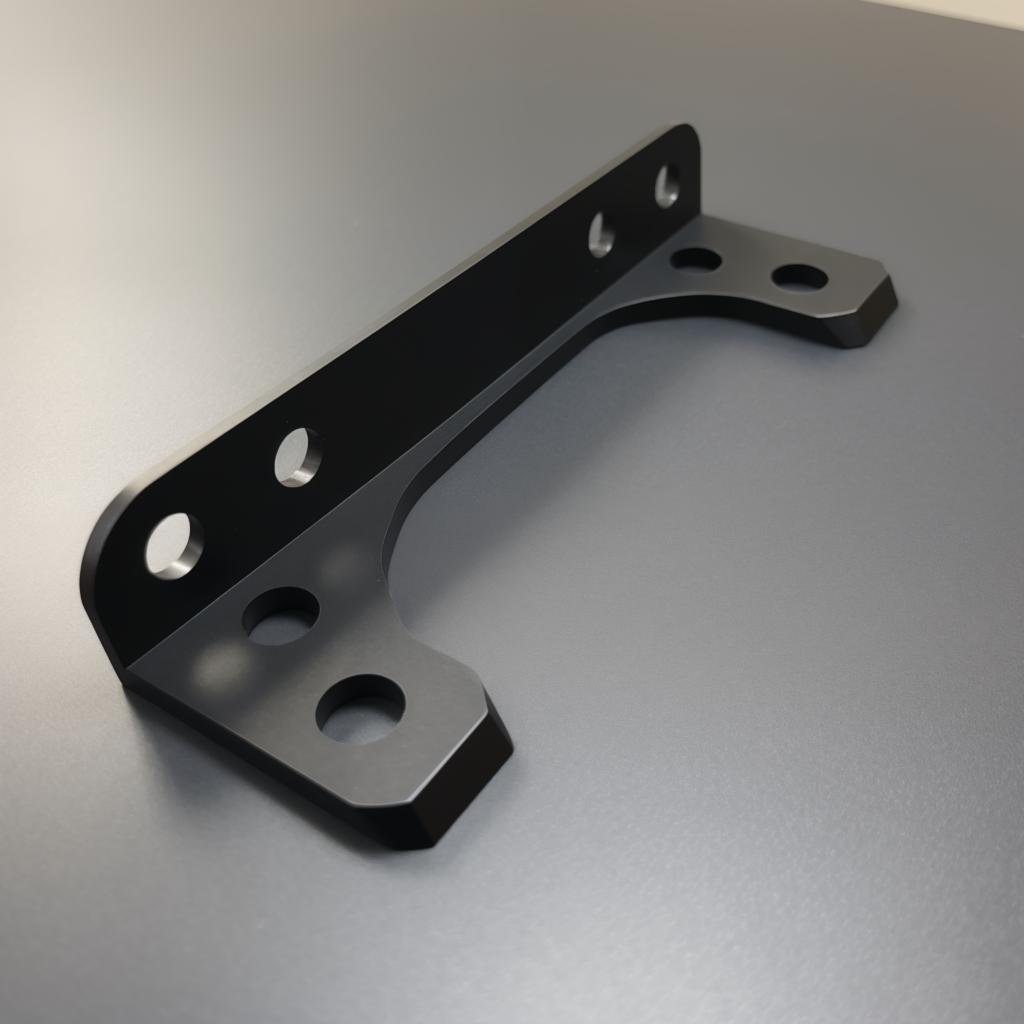
Stainless steel’s natural oxide layer creates a persistent adhesion challenge that catches many product developers off-guard during finishing. Machining precision components for aerospace, medical, and audio applications, we’ve seen countless projects where paint adhesion becomes the bottleneck—not the machining itself. Paint can adhere to stainless steel, but requires proper surface preparation and compatible paint chemistry. […]
Is Black Oxide Rust-Proof?
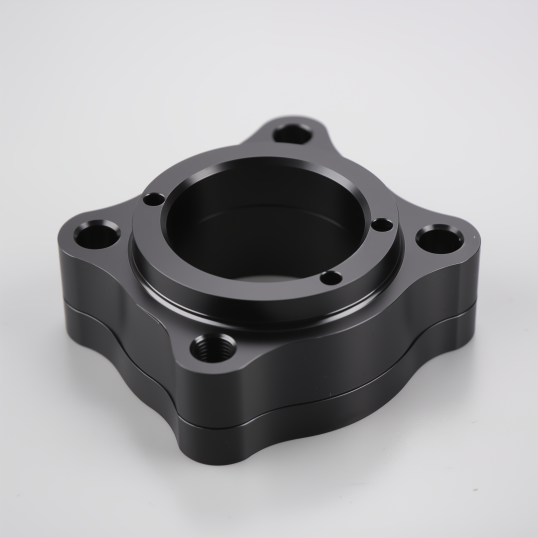
Selecting the right finish for steel components isn’t just about appearance—it’s about ensuring long-term performance without compromising precision or budget. Black oxide is often considered for its minimal thickness and cost-effectiveness, but many product developers question whether it provides adequate corrosion protection for their specific applications. Black oxide offers limited rust protection on its own, […]
What Are the Best Ways to Color Stainless Steel Parts?
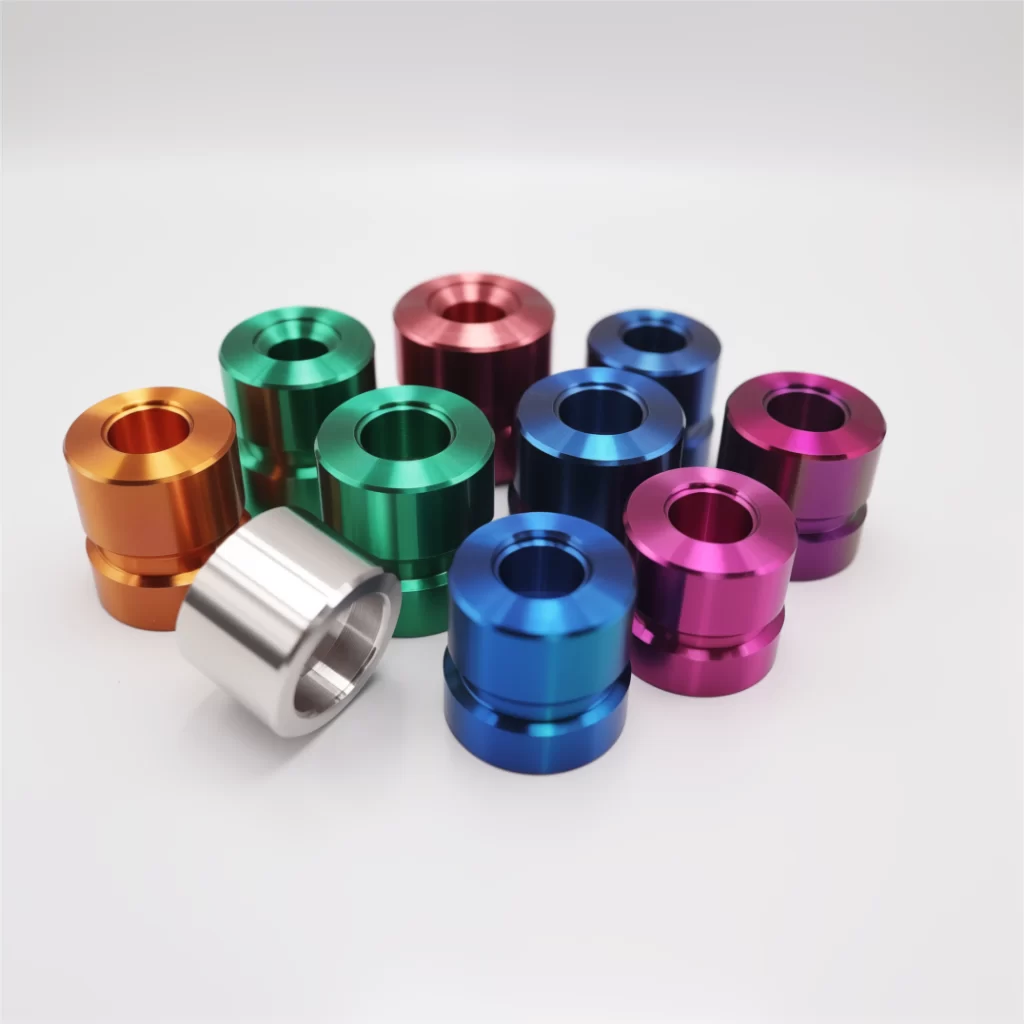
Adding color to stainless steel components challenges product developers who need both aesthetics and precision. With experience manufacturing colored stainless parts for audio, medical, and instrumentation applications, the right surface treatment selection prevents dimensional issues and ensures long-term durability. Electrochemical coloring, PVD coating, and powder coating are the three primary methods for adding durable color […]
How Do Different Coatings Affect Aluminum Part Tolerances?
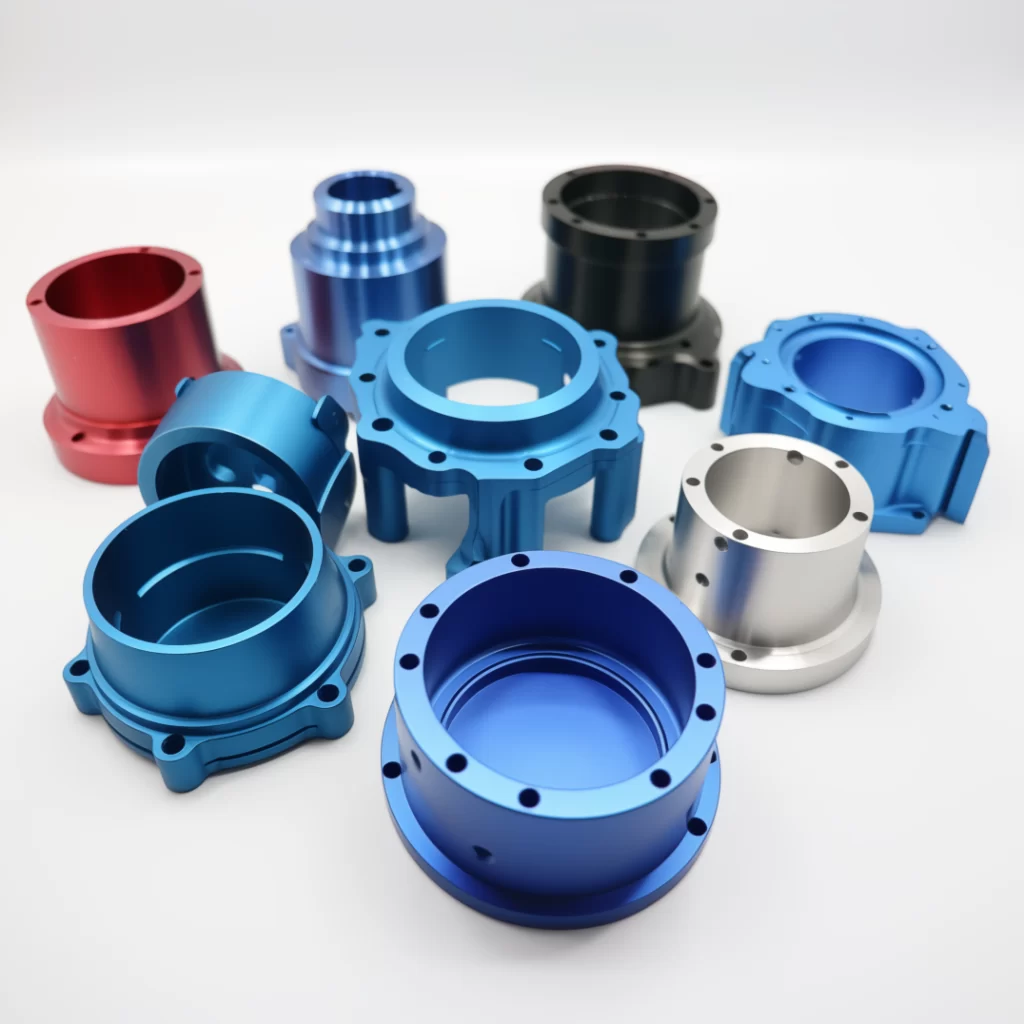
Choosing the right coating for aluminum parts isn’t just about appearance — it’s about ensuring your design still works after finishing. We’ve seen projects where coating thickness turned perfectly fitting assemblies into expensive rework. Coating adds material thickness that can break your tolerances, affect threaded connections, and compromise assembly fits. Powder coating might add 75-150 […]
Which surface treatment is best for aluminum parts?
Selecting the right surface treatment for aluminum parts affects corrosion resistance, dimensional tolerances, and production cost. The wrong finish choice can create assembly issues or blow your budget, while the right one enhances both performance and appearance. Choose anodizing for corrosion resistance and color options, powder coating for durability and thick coverage, or bead blasting […]
Can anodizing be removed?

Anodizing removal questions arise frequently in CNC machining projects when design changes, coating defects, or rework requirements surface after parts are already anodized. As a precision CNC machining service provider, we regularly help engineers and product developers navigate anodizing removal decisions, weighing feasibility against cost and dimensional impact. Understanding removal options early prevents costly delays […]
Do I Need Surface Grinding for My CNC Part?
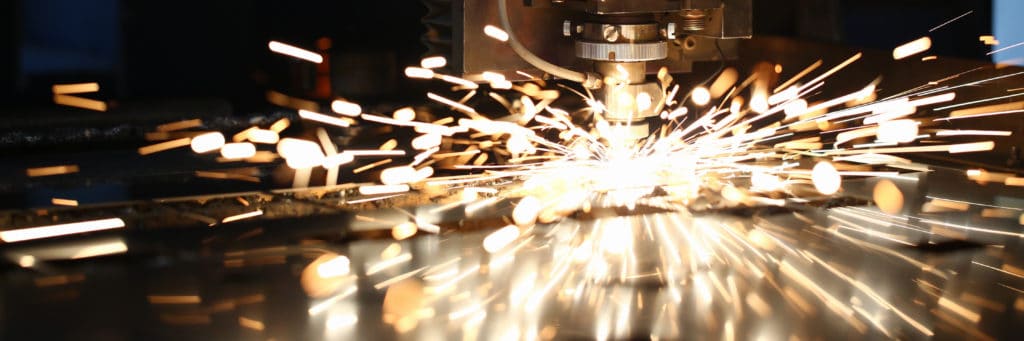
Designing precision parts often leads to a familiar crossroads: will standard CNC machining deliver the surface you need, or must you add grinding? With experience machining gauge blocks and precision tooling, small surface decisions can dramatically impact both function and cost. You need surface grinding when flatness requirements are tighter than ±0.02 mm, when mating […]
Does silver plating last?
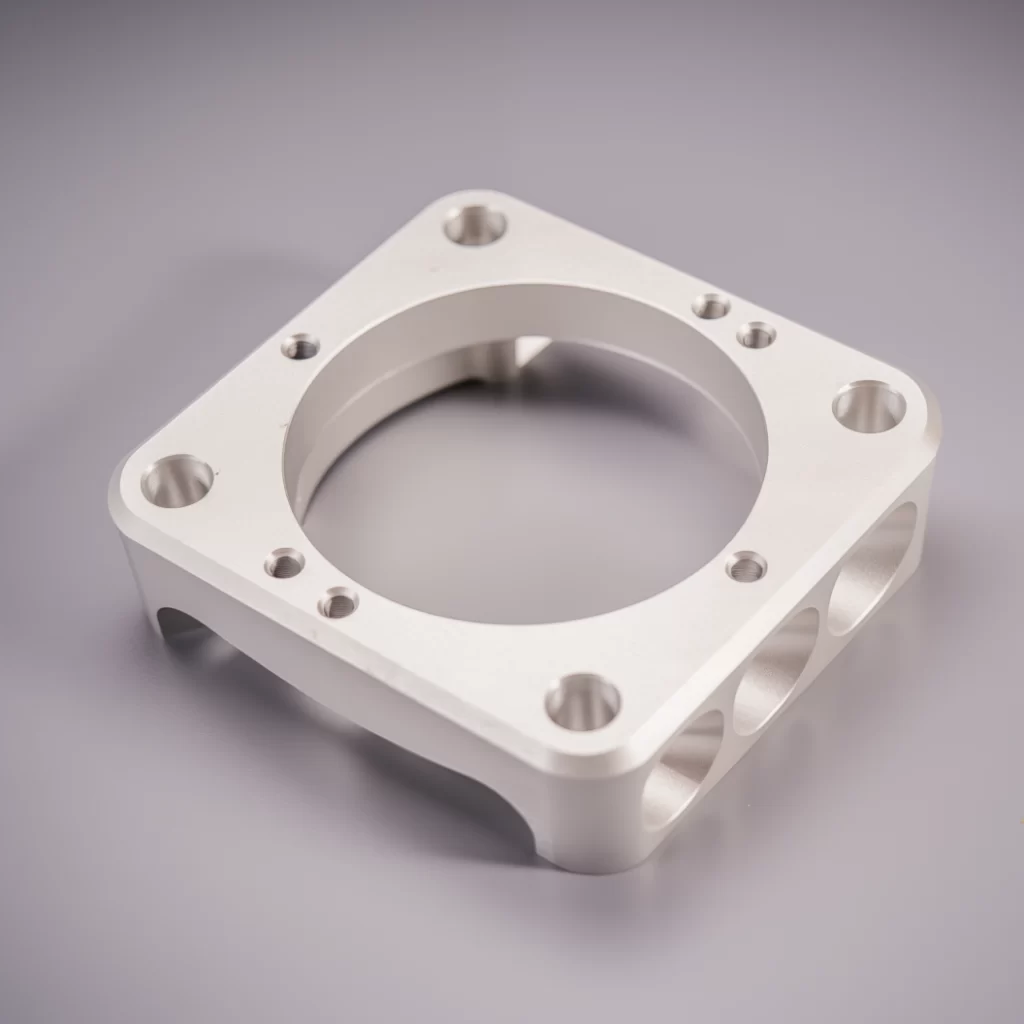
Silver plating durability depends on application conditions and layer thickness. With experience plating precision components for audio and medical sectors, proper specification prevents premature wear and tarnishing issues. Silver plating typically lasts 5-15 years in indoor applications when applied at 5-25 μm thickness. Durability depends on handling frequency, environmental exposure, and base material preparation. Proper […]
Will Electroplating Mess Up My Part Tolerances?

Specifying electroplating on precision parts isn’t just about corrosion resistance — it’s about understanding dimensional impact. With 15+ years finishing parts for aerospace and medical sectors, small plating decisions can dramatically affect tolerances. Most electroplating adds 0.0002″ to 0.002″ thickness depending on the finish type and part geometry. This buildup affects press fits, threaded connections, […]
Do I Need Tin Plating for My CNC Parts?

Selecting the right finish for CNC machined parts affects corrosion resistance, assembly performance, and project costs. With over 15 years of precision machining experience across aerospace, medical, and electronics industries, we’ve helped product developers navigate finish decisions that balance protection with budget constraints. Tin plating is necessary when you need excellent solderability (tin-lead compatibility), FDA […]

